
Last updated November 24, 2026
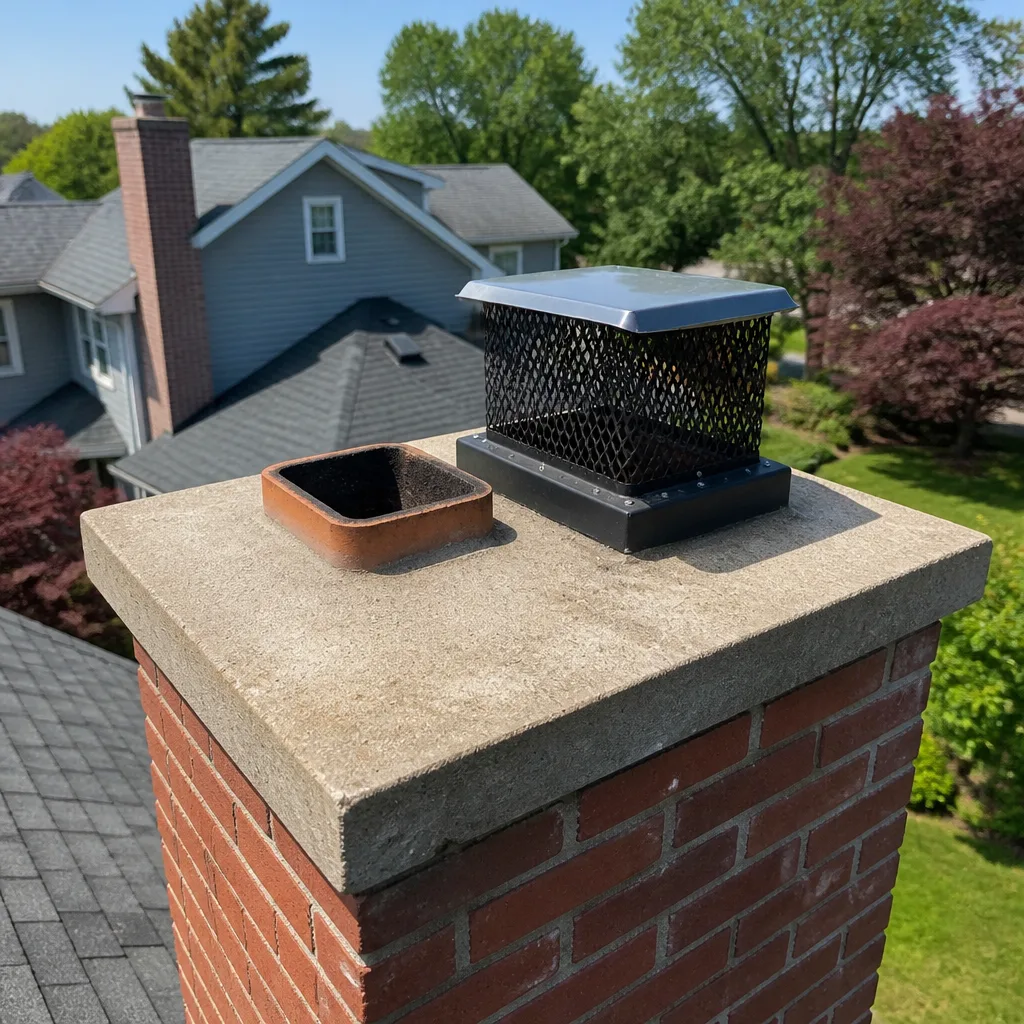 Sweep & inspection
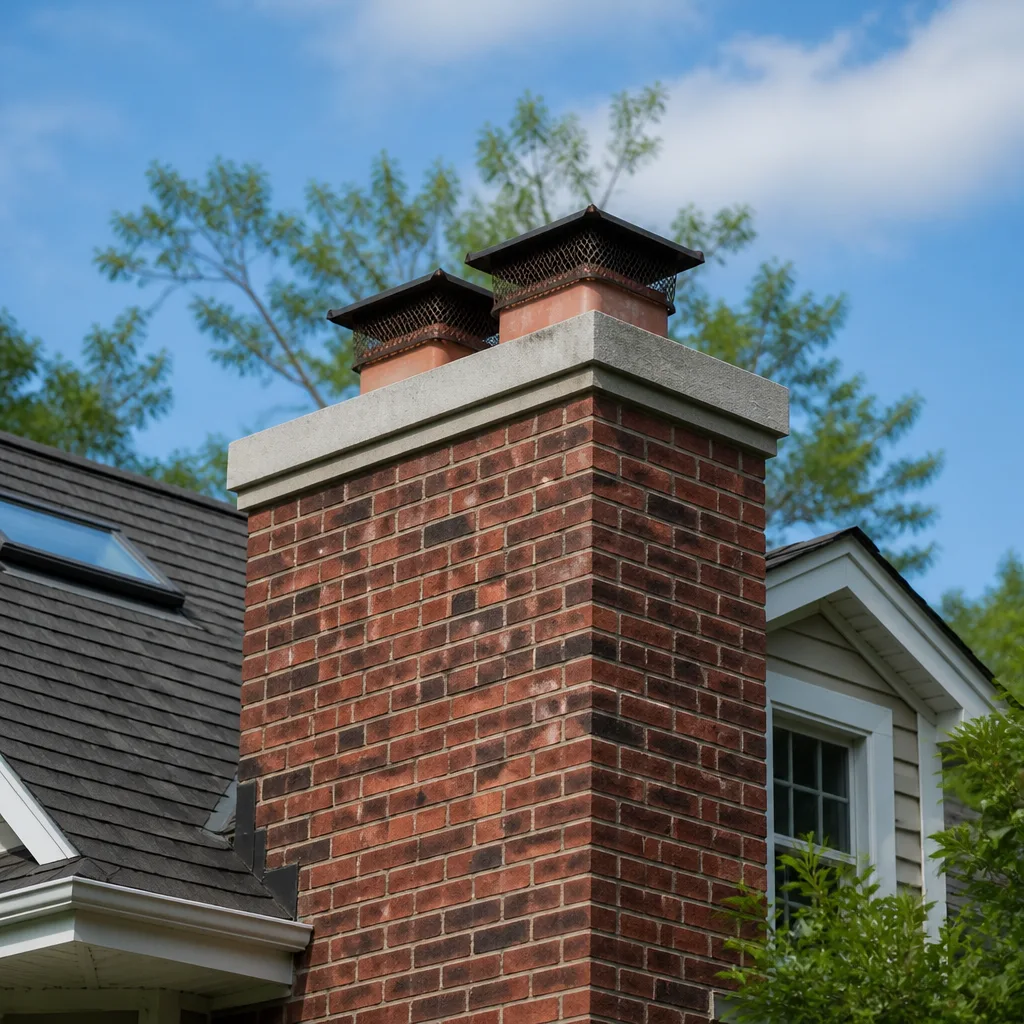 Caps & crowns
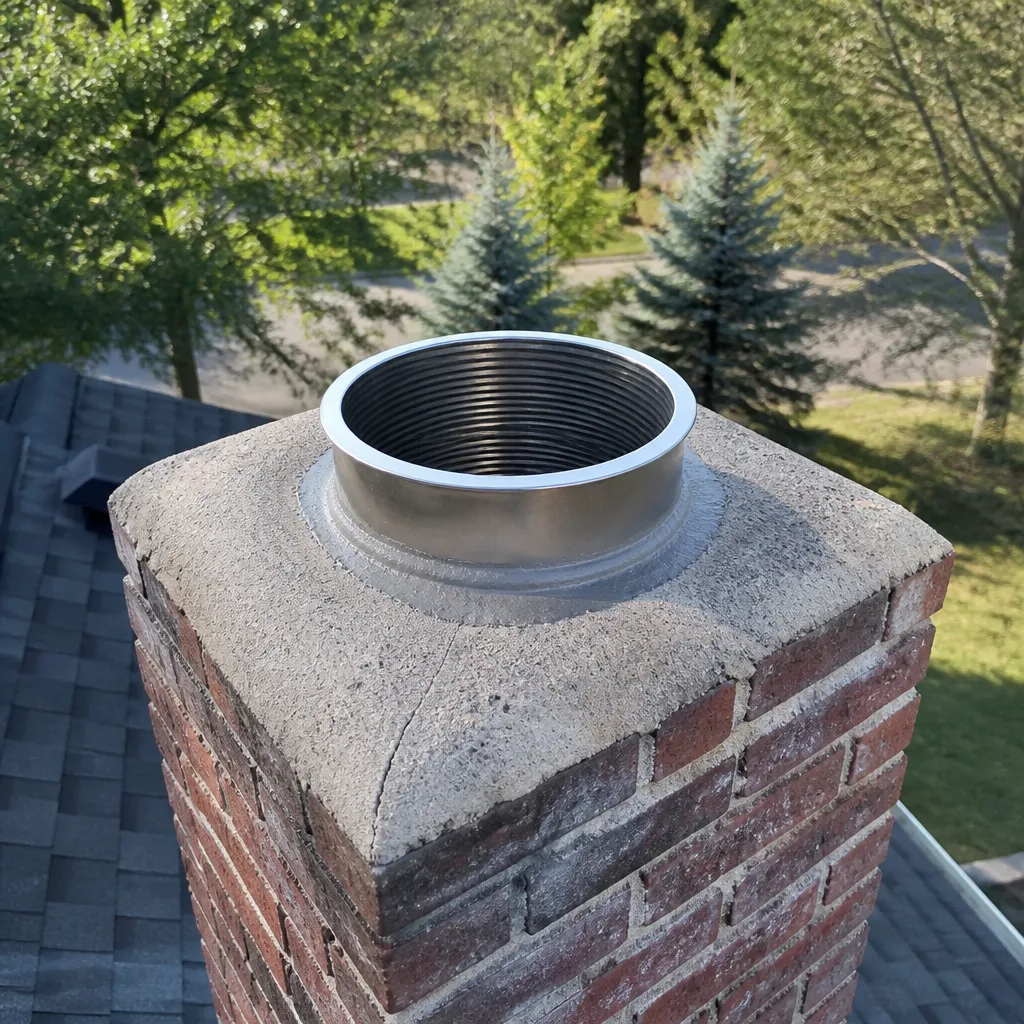 Flue relining
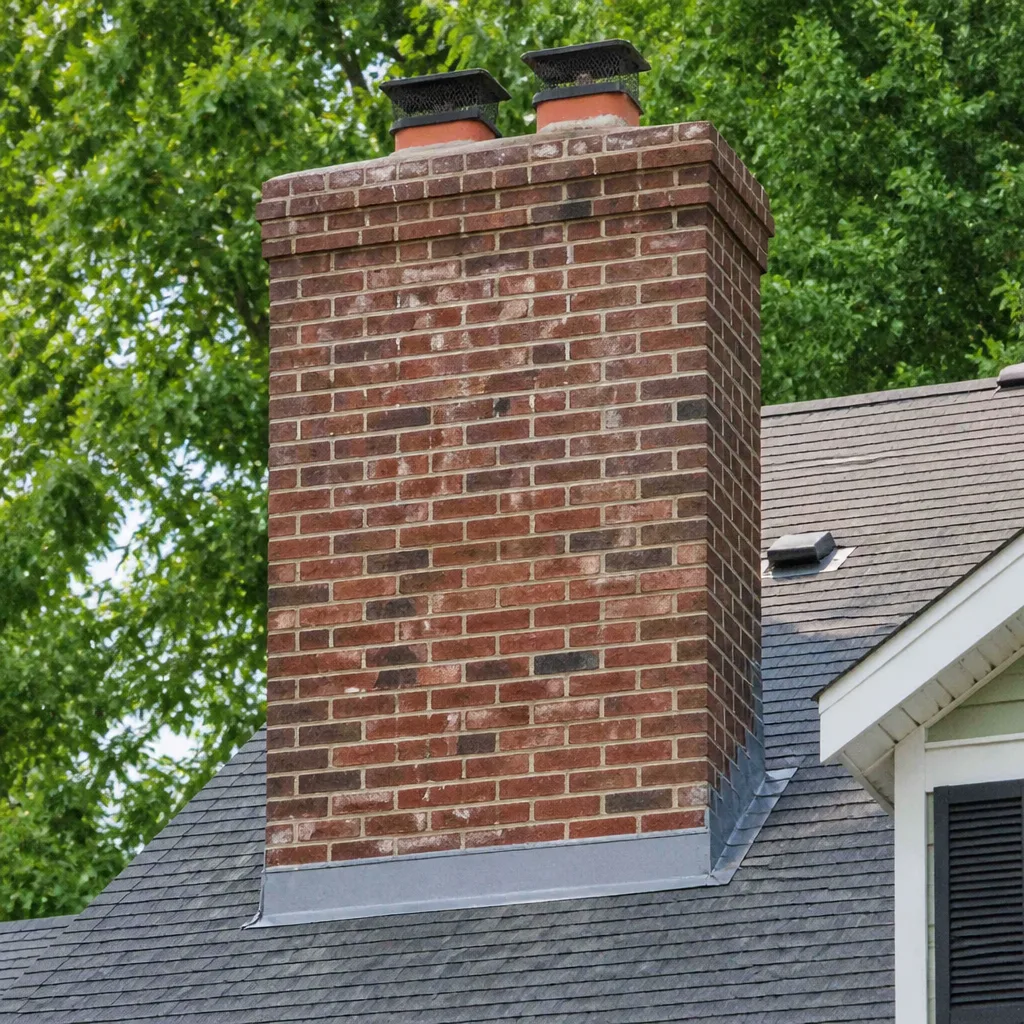 Masonry repair
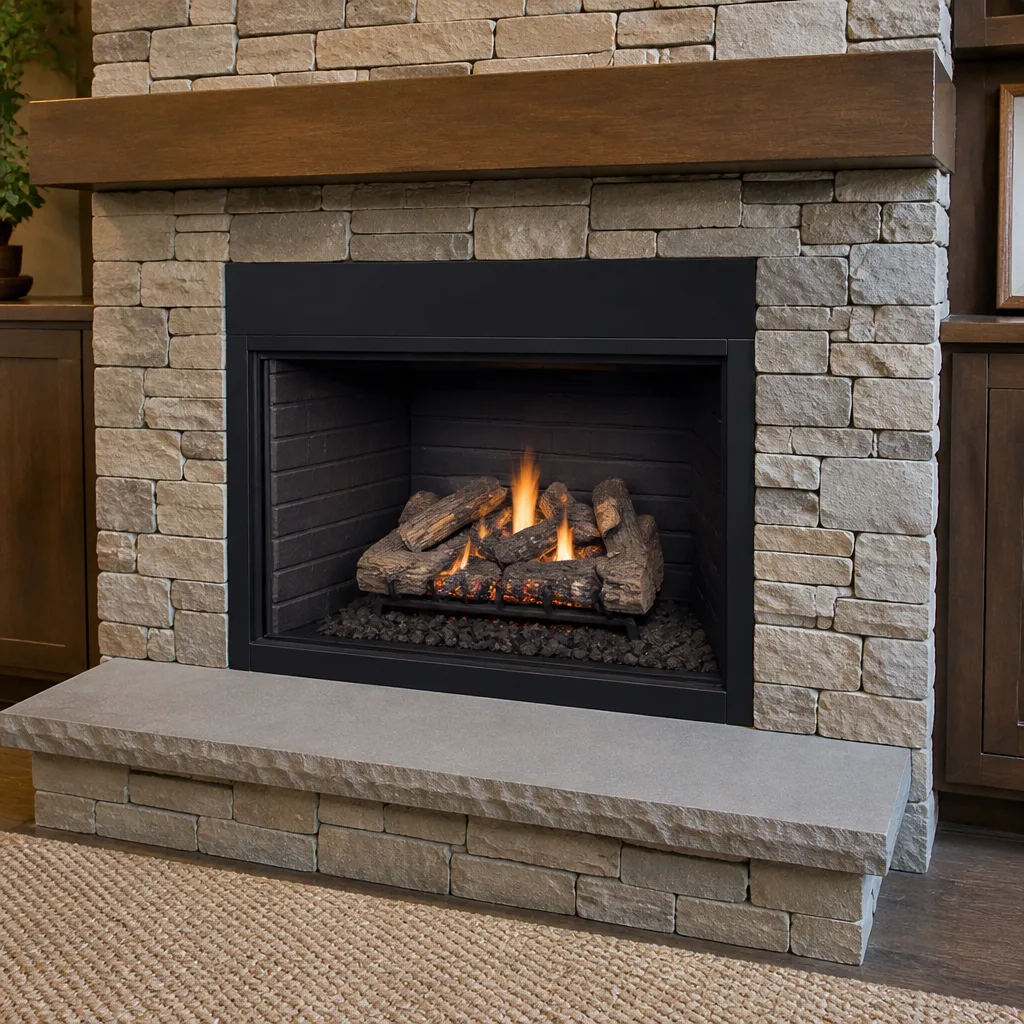 Gas fireplace service
Level 1 sweep and inspection to the NFPA 211 annual standard - flue, crown, cap, and flashing checked and photographed
Chimney sweep logs do not sweep chimneys. They loosen some creosote - which then falls where a brush and vacuum still have to collect it.
Seasonal Chimney Cleaning Care for Turtle Rock: Year-Round Homeowner’s Guide
October in Turtle Rock is when the most chimney fires happen. Not because residents burn more wood that month, but because they light the first fire after an eight-month gap and nothing in the flue has been checked since spring. The gap itself is the hazard. Mild weather here means a chimney can sit untouched from March to October, quietly collecting creosote, bird nests, and moisture, and then get worked hard the moment the evenings cool off. This guide walks through what’s actually happening inside a Turtle Rock chimney month by month, where the real risk windows fall, and how to time your chimney sweep so it does more than clear ash.
Quick Answer
Chimney care in Turtle Rock follows a different calendar than national guides assume. The highest-risk moment is the first fire of the season in late September or October, after months of dormancy, so a pre-season inspection and sweep before that first burn matters more than any other task. Spring and summer carry their own jobs: clearing nesting material, checking the crown and flashing after winter rain, and inspecting the cap for pest intrusion. One professional sweep timed to late summer or early fall gives you the most diagnostic value, because the technician sees the full year’s accumulation right before it matters.
Styles & brands we work with
- Sweep & inspection
- Caps & crowns
- Flue relining
- Masonry repair
- Gas fireplace service
Table of Contents
- Why the Turtle Rock Chimney Calendar Is Different
- A Month-by-Month Look Inside a Turtle Rock Chimney
- Why Late September Through October Is the Highest-Risk Window
- Spring Tasks: Nesting Birds, Crown Cracks, and Winter Moisture
- Summer: Pests, Caps, and the Mid-Year Check Nobody Books
- How to Time Your Annual Sweep for the Most Diagnostic Value
- What a Pre-Season Inspection Should Actually Cover
- Common Mistakes to Avoid
Why the Turtle Rock Chimney Calendar Is Different
Most chimney guidance is written for places with hard winters and long heating seasons. Turtle Rock doesn’t have that. Winters here are mild, which means the fireplace tends to run in bursts: a stretch of cool evenings in December, a few weeks off in January, another run in February. That stop-and-start pattern is harder on a chimney than steady cold-weather use, because each restart is a fresh ignition event in a flue that may have been sitting idle long enough for debris to settle.
The mild climate also changes what accumulates. A chimney in a cold climate gets scoured by months of constant draw. A Turtle Rock chimney may burn intensely for two weeks, then sit. Creosote that forms during those intense burns has time to glaze and harden between cycles. Glazed creosote is the stubborn kind, and it’s the reason a once-a-year sweep matters more here, not less.
Then there’s the exterior side of the system. Turtle Rock’s winter rains, when they come, hit the crown and flashing on a chimney that’s been baking in dry heat for months. Roofs and masonry expand and contract with that swing. Small cracks in a crown or a failed bead of flashing let water in, and water in a chimney doesn’t announce itself. It shows up months later as a stained ceiling, a spalling brick, or a rusted damper.
What this adds up to is a year-round job with three distinct pressure points, not one seasonal chore. The rest of this guide takes them in order.
A Month-by-Month Look Inside a Turtle Rock Chimney
Here’s what’s genuinely happening in a chimney through the year in this climate. Use it as a planning calendar, not a rigid schedule.
January and February. Peak burn season. The flue is warm and drawing well, which is good, but this is when creosote builds fastest. If the fire is burning lazily or the glass doors are sooting up, the fire isn’t getting enough air, and that’s a sign the flue is starting to load up.
March. The last fires of the season. Creosote sits at its thickest right now, which is why a spring sweep is defensible. But you lose some diagnostic value, because by fall the chimney has been through nesting season and rain.
April and May. Migratory birds return. Chimneys in Turtle Rock are prime nesting real estate because they’re warm, sheltered, and often uncapped. Starlings and other cavity nesters will fill a flue with twigs and grass in a matter of days.
June through August. The fireplace is idle. Pests move in. The crown bakes and any hairline cracks open a little wider. This is the season homeowners forget the chimney exists.
September. The pivot month. Evenings cool, and the first fire usually happens before anyone has thought about the chimney since spring.
October through December. Burn season again. This is when every unchecked problem from the previous nine months gets tested under heat.
The useful takeaway: the months that feel least urgent, April through August, are exactly when the groundwork for a safe fall gets done.
Why Late September Through October Is the Highest-Risk Window
The single most dangerous moment in a Turtle Rock chimney’s year is the first fire after a long dormancy. There are three reasons, and all three stack on top of each other.
First, creosote has had months to cure and harden into a glaze. Fresh creosote is soft and brushes away. Glazed creosote is dense and burns hot once it ignites. A flue that accumulated a season’s worth of deposits and then sat through a dry summer is holding fuel in its most combustible form.
Second, blockages from nesting season don’t clear themselves. Twigs, feathers, and dried grass don’t burn cleanly, and they also reduce draft. A restricted flue pushes smoke back into the room, and if the blockage is above the smoke shelf, the homeowner may not notice any smoke at all until the flue overheats.
Third, water intrusion from the previous winter may have damaged the flue lining. A cracked or spalled flue tile no longer contains the fire. That damage can go undetected for months while the chimney sits idle, and then get exposed to a hot fire on the first cold night.
What a pre-season inspection must cover, at minimum:
- Flue interior: a camera inspection to see the full length of the lining, including the sections you can’t reach from the top or bottom.
- Creosote level and type: whether it’s surface-level and brushable or glazed and requiring a different approach.
- Blockages: nesting material, leaf debris, and anything else restricting the flue.
- Flue tile condition: cracks, gaps, and spalling that compromise containment.
- Damper operation: full open, full close, no binding.
- Smoke chamber and firebox: masonry joints, refractory panels, and the smoke shelf.
- Crown and flashing from above: since you’re already up there.
This is why we treat Chimney Sweep Turtle Rock inspection as a standalone service. You get a condition report you can act on before anything is upsold, and the photo evidence that comes with it means you’re not taking anyone’s word for what’s wrong.
Spring Tasks: Nesting Birds, Crown Cracks, and Winter Moisture
Spring in Turtle Rock is when the chimney shifts from working system back to passive object, and that transition is where things go wrong. Two jobs matter most.
Clear nesting material before it hardens. Migratory birds start scouting chimneys in April. If one takes up residence, you’ll be dealing with twigs, grass, feathers, and droppings, none of which belong in a flue. Nests also attract mites and other insects, and if the nest blocks the damper, the fireplace can’t be used until it’s cleared. A chimney cap installed correctly prevents this entire problem, which is why we treat chimney cap & crown work as a core service rather than an add-on.
Check the crown and flashing for winter moisture damage. The crown is the concrete or masonry surface at the very top of the chimney that sheds water away from the flue. When it cracks, water gets in, and the damage runs downhill: cracked crown, then saturated masonry, then rusted damper, then spalled flue tiles, then a stained ceiling inside. The flashing is where the chimney meets the roof, and it’s the second most common leak point. Both are visible from above, and both get checked during a proper spring inspection.
A spring inspection should also confirm:
- The cap is intact and still anchored.
- The crown has no new cracks or open joints.
- The flashing is sealed and the shingles around it are still tight.
- The firebox masonry has no new cracks from the burn season.
- The damper opens and closes freely and seats properly.
Catching these in April means the fix is a repair. Catching them in October usually means a much bigger job.
Summer: Pests, Caps, and the Mid-Year Check Nobody Books
The fireplace is off, the weather is dry, and the chimney is invisible. This is the season when small problems compound, and it’s the season most homeowners skip entirely.
Pest intrusion is the headline. With the flue unused, birds, squirrels, and insects treat an uncapped chimney as a sheltered cavity. Wasps and mud daubers nest in the smoke chamber. Rodents come down the flue and into the firebox. A properly fitted cap is the fix, and it’s a cap & crown job that takes very little time compared to the cleanup after a nest.
The cap itself needs a look. Caps loosen in wind, corrode at the fasteners, and get knocked loose by branches. A loose cap is worse than no cap, because it can shift and partially block the flue opening.
Summer is also the best time to look at the firebox and damper, because there’s no rush. Masonry that needs repointing, a refractory panel that’s cracked, a damper that’s seized from disuse: all of these get addressed while the fireplace is idle. That’s fireplace repair work, and doing it in July means there’s no scramble in October.
One more summer item: the exterior masonry. Brick and mortar that were sound in March can show spalling by August after a wet winter followed by dry heat. Walk around the chimney at ground level once in mid-summer and look for loose mortar joints, white staining, or brick faces that have flaked off.
How to Time Your Annual Sweep for the Most Diagnostic Value
Most people book a sweep when it’s convenient or when it’s cheapest. The better question is: when does a sweep give you the most information about your chimney’s actual condition?
The answer for Turtle Rock is late summer into early fall, ideally in that window before the first fire. Here’s the reasoning:
- You see the full year’s accumulation. A sweep in March only shows what built up during the burn season. A sweep in late August shows the burn season deposits plus whatever the chimney picked up during spring and summer.
- You catch nesting material before it’s cooked into the flue. A sweep after a bird moved in clears the problem before a fire does.
- You catch water damage before heating season. Crown cracks and flashing failures from the winter are still visible in late summer, and there’s time to repair them before the first fire.
- You get the inspection report when you can still act on it. If the inspection finds a liner issue, you have weeks to schedule the repair instead of days.
- You avoid the October rush. When the first cold snap hits, everyone in the area calls at once. Booking in late summer means you’re on the schedule, not in a queue.
A spring sweep is still reasonable if the burn season was heavy and the creosote load is thick. It’s not wasted. But if you’re only booking one, book it for late summer and treat spring as a visual check of the exterior and a nest clearing.
The sweep itself should include a camera inspection and a photo report. Those two things turn a sweep from a cleaning into a condition record you can compare year over year.
What a Pre-Season Inspection Should Actually Cover
A pre-season inspection is the diagnostic step that makes everything else in this guide actionable. Here’s what a thorough one includes, in order.
1. Exterior visual from the roof. Crown, cap, flashing, and the chimney chase. Look for cracks, loose fasteners, and open joints.
2. Firebox and smoke chamber. Masonry joints, refractory panels, the damper, and the smoke shelf. Cracks here are common and easily missed.
3. Flue interior by camera. Full-length view of the lining, looking for cracks, gaps, spalling, and offset joints.
4. Creosote assessment. Level and type, so you know whether a standard sweep will do it or whether the deposits need a different approach.
5. Blockage check. Nests, debris, and anything else in the flue.
6. Draft test. Confirms the chimney is pulling properly and that smoke won’t back into the room.
If the flue tiles are deteriorating, the fix isn’t always a full reline. The HeatShield resurfacing system is a specialized repair that restores a damaged flue from the inside, and it’s a capability that sweep-only operations simply don’t have. Knowing whether you’re a candidate for resurfacing versus a full liner replacement is exactly the kind of thing a good inspection report tells you. When a liner replacement is warranted, we work with professional-grade product lines like Olympia Chimney and Gelco, so the components are rated for the job rather than whatever’s on hand.
The point of the inspection is to convert guesswork into a report. You should walk away knowing what’s sound, what’s marginal, and what needs work now versus what can wait.
Common Mistakes to Avoid
- Treating fall as the only season that matters. It’s the highest-risk window, but the accumulated exposure from a full year is what makes it risky. Spring and summer work is what makes the fall safe.
- Sweeping without inspecting. A brush clears the flue. It doesn’t tell you whether the lining is cracked or the crown is failing. Ask for the camera and the photos.
- Booking the cheapest slot on the calendar. A sweep in late summer gives far more diagnostic value than a discounted sweep in January. Time the sweep for information, not for price.
- Skipping the cap because it’s an extra line item. In Turtle Rock, an uncapped chimney invites birds, insects, and rain. The cap is the cheapest preventive item on the list.
- Assuming a gas fireplace needs no chimney care. Gas units still vent through a chimney, and the flue, cap, and exterior still degrade. The inspection schedule doesn’t disappear.
- Waiting for the first cold night to light the first fire. That’s the same night the phone lines light up. If you haven’t had the chimney checked since last spring, the first fire should wait until it’s been inspected.
- Letting a small crown crack go through a rainy season. The crown is the chimney’s roof. A crack that’s cosmetic in April can create interior water damage by the following winter.
See the difference
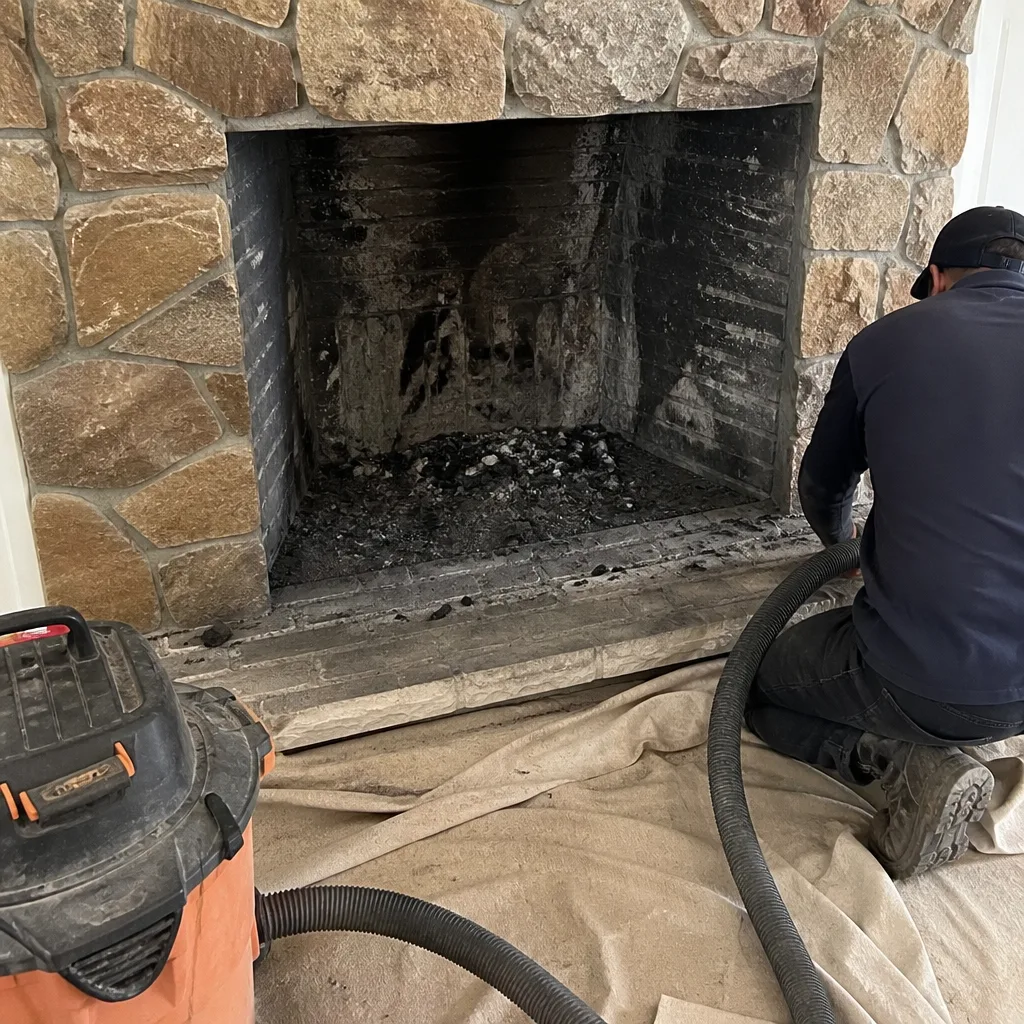 Before
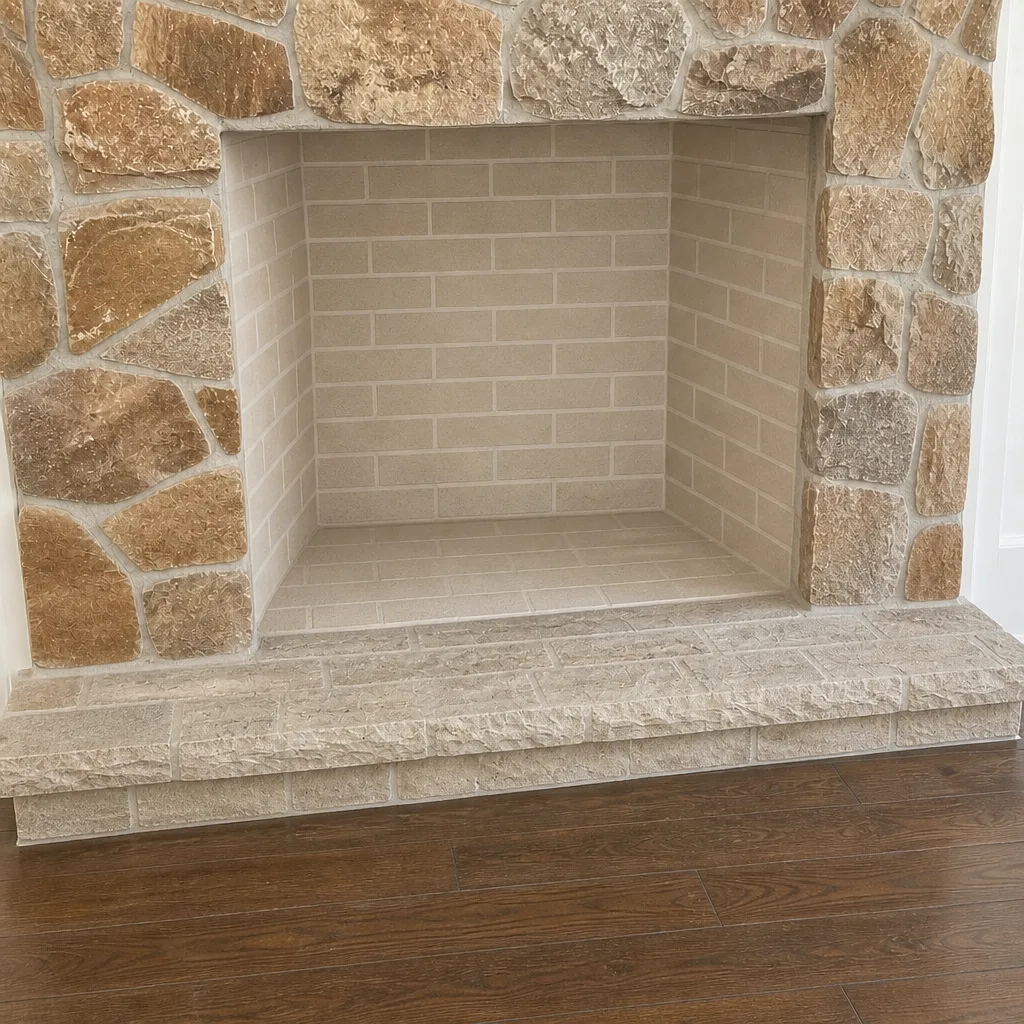 After
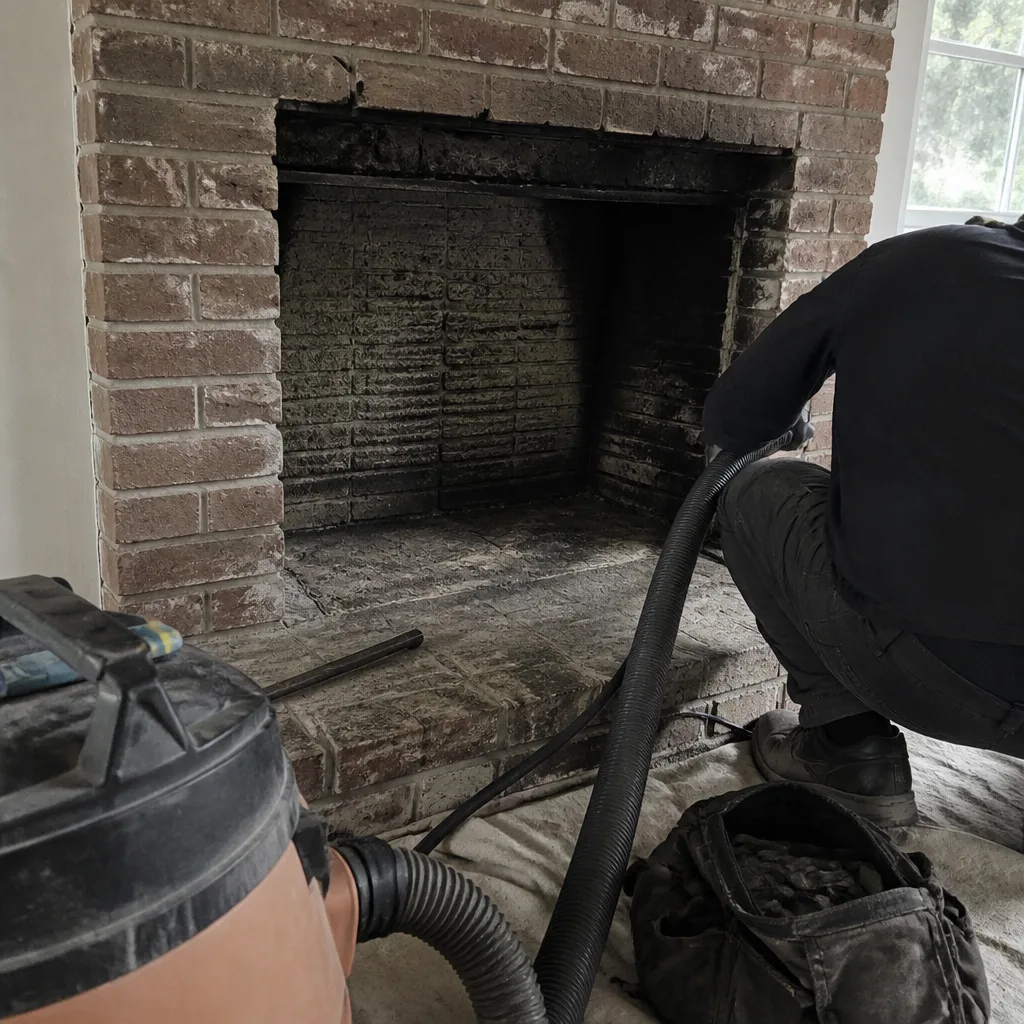 Before
 After
 Before
 After
When to Call a Professional
Some chimney work is visual and safely doable yourself: a ground-level walk-around, a look at the cap from the yard, checking that the damper opens fully. Most of the real work isn’t. Anything involving the flue interior, the roof, the crown, or the lining involves height, heat, or both, and those are jobs for someone trained and equipped for them.
Call if you haven’t had an inspection since last spring, if the fireplace smells smoky when it’s off, if you see smoke spilling back into the room, if you notice white staining or spalling on the exterior brick, or if you’re heading into fall without a recent sweep. Chimney Sweep Turtle Rock offers free estimates in Turtle Rock. Call (833) 408-3854. We answer 24/7, with fast dispatch from 7am to 7pm, Sunday through Friday.
Frequently Asked Questions
Once a year is the standard baseline for a chimney in regular use, and the mild climate here doesn’t reduce that, because the burn season still produces creosote and the idle season still produces nesting and moisture. If you burn heavily through the winter, or if the fire tends to burn lazily, twice a year is reasonable. The inspection is what tells you whether you’re on schedule or behind. Call (833) 408-3854 for an exact quote, since estimates are free.
Fall, specifically late September and October, because that’s when the first fire happens after months of dormancy. That first fire tests nine months of unchecked accumulation all at once. Everything else in the annual calendar exists to make that window safer.
Yes, and it’s the quiet kind of damage. Water gets in through a cracked crown or failed flashing, then works into the masonry, the damper, and the flue tiles over months. It rarely shows up as a leak you notice right away. It shows up later as a stain, a rusted component, or spalling brick. That’s why spring and summer exterior checks matter.
A proper cap is the right way to close off an unused chimney. It keeps birds, insects, and rain out while still allowing the flue to vent. A tarp or temporary cover is worse than nothing, because it traps moisture. If you don’t have a cap, that’s the first fix to schedule, and it’s a fast job compared to clearing a nest.
It needs the same inspection schedule, yes. The venting still runs through the chimney structure, the cap and crown are still exposed to weather, and the flue lining can still degrade. Gas units need less creosote management, but they don’t get a pass on the exterior and structural checks.
The first fire goes in without anyone knowing what’s in the flue. That’s the risk. A blockage, a glazed creosote load, or a cracked flue tile can all be invisible from the room, and the first burn is when they get tested under heat. The reason we recommend inspecting before the first fire isn’t caution for its own sake; it’s that the inspection is the only way to know the chimney is ready.
Yes. We offer chimney inspection as a standalone service, so you can get a full condition report before committing to any work. If the report shows cleaning is all that’s needed, that’s the recommendation. If it shows a repair is needed, you’ll see the camera evidence and photos that explain why.
The Bottom Line
Turtle Rock’s mild climate doesn’t remove chimney risk. It moves it. The risk windows land in three places: the first fire of the fall after a long dormancy, the winter moisture season that tests every crack in the crown and flashing, and the summer idle months when pests and weather do their quiet work. One professional sweep timed for late summer or early fall gives you the most diagnostic value, and one solid pre-season inspection, camera included, turns all of that guesswork into a report. Caps and crowns are the two most common failure points, so they belong on the annual checklist. This is the full chimney system, from the firebox to the crown, and it’s the only thing we work on. Call (833) 408-3854 for a free estimate, and be ready before the first cold night.
Written by the team at Chimney Sweep Turtle Rock.