
Last updated November 24, 2026
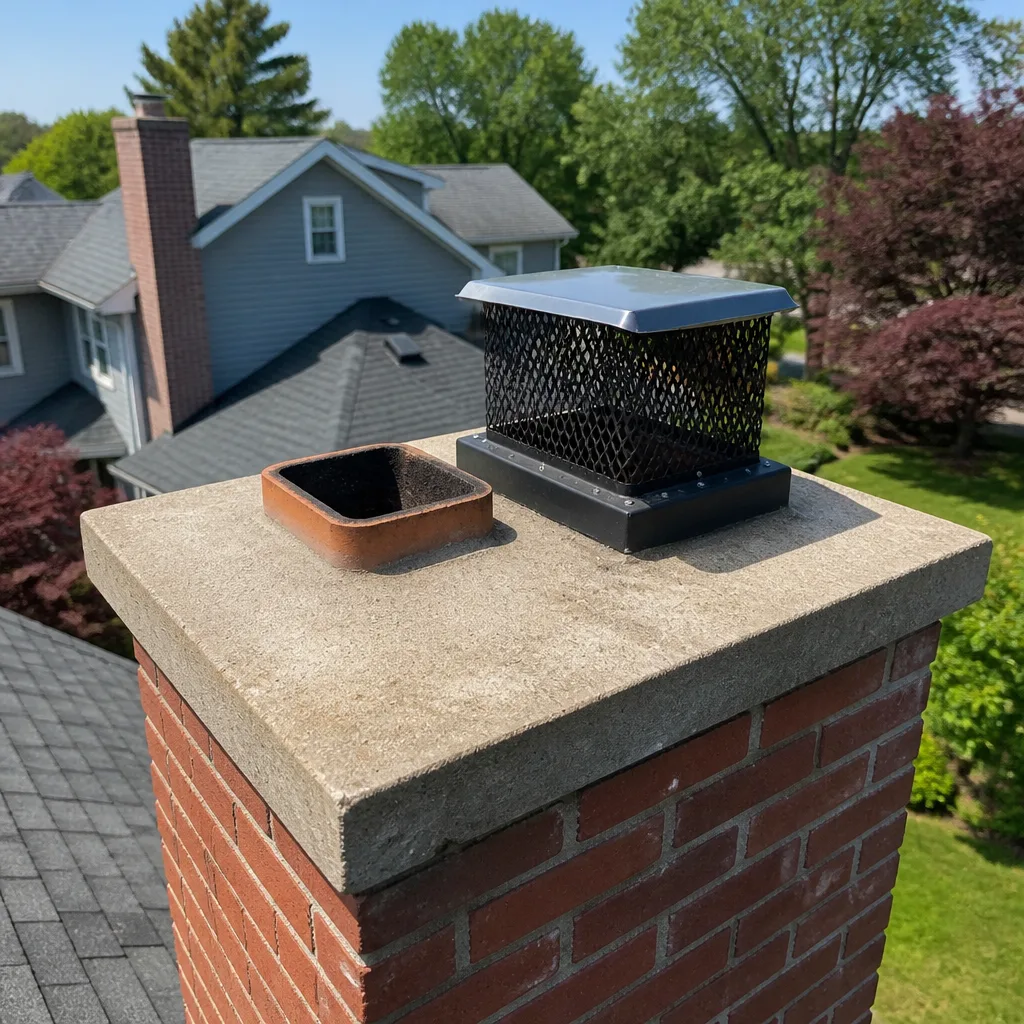 Sweep & inspection
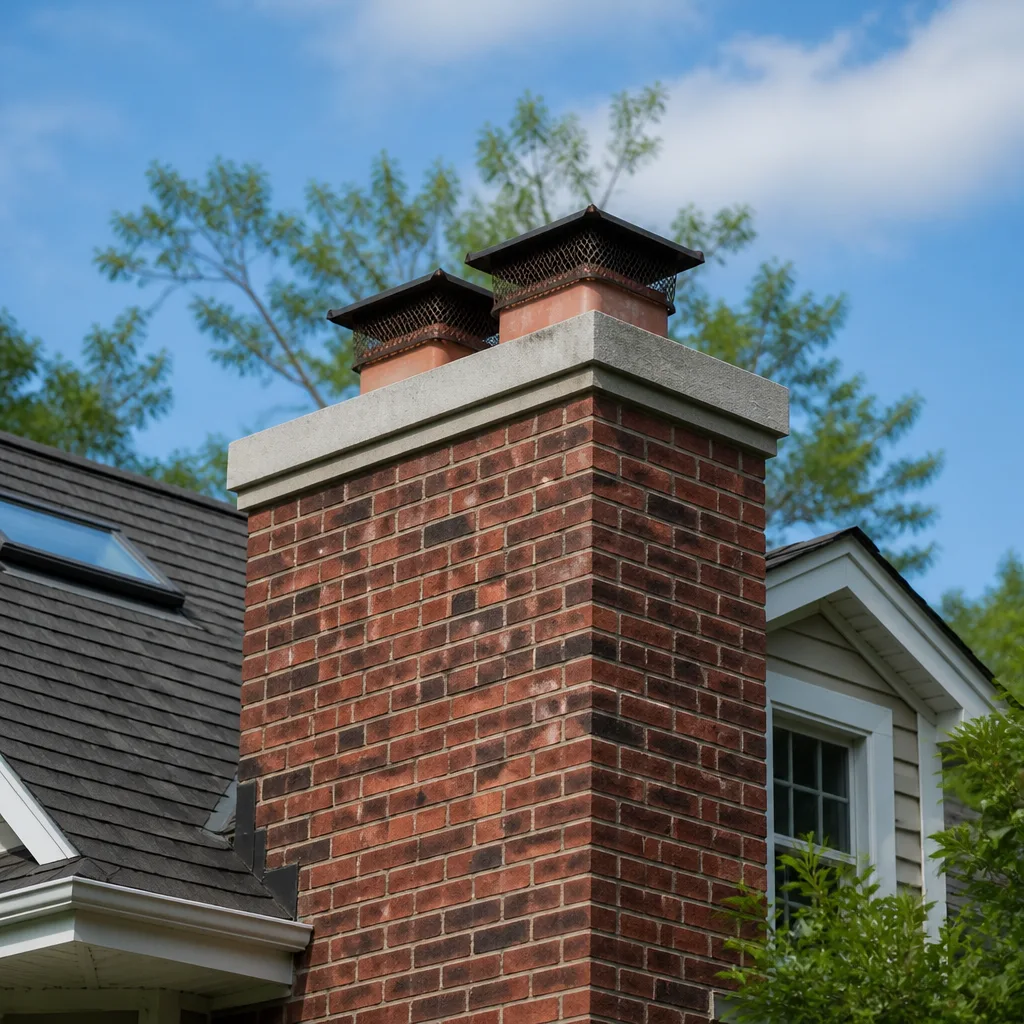 Caps & crowns
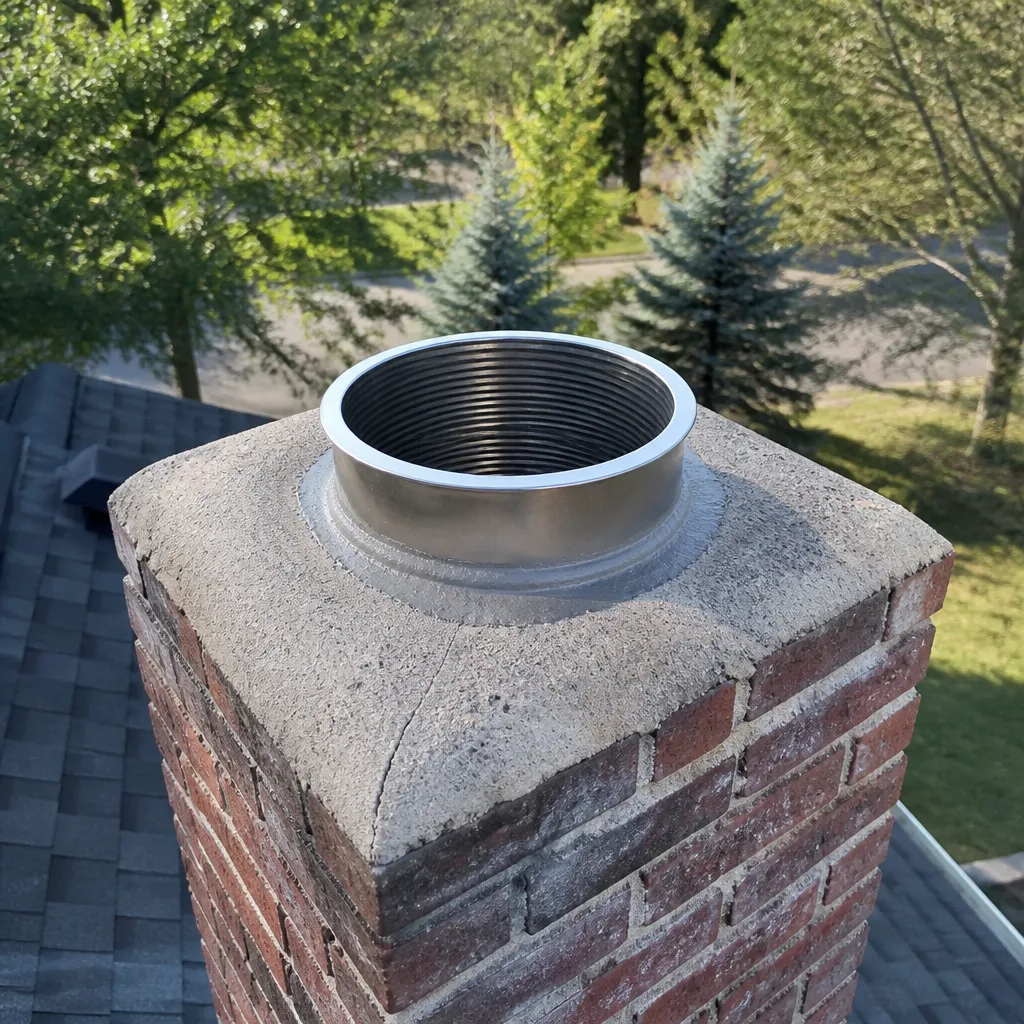 Flue relining
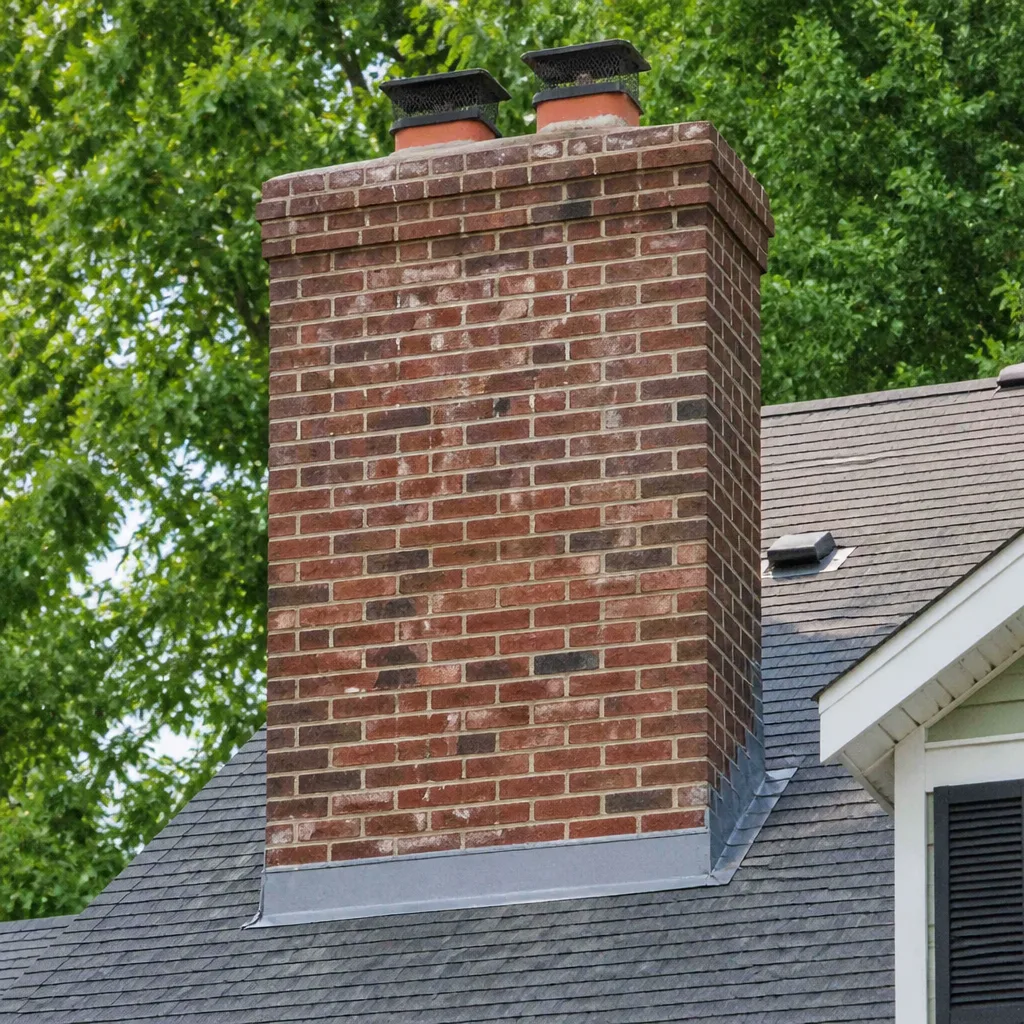 Masonry repair
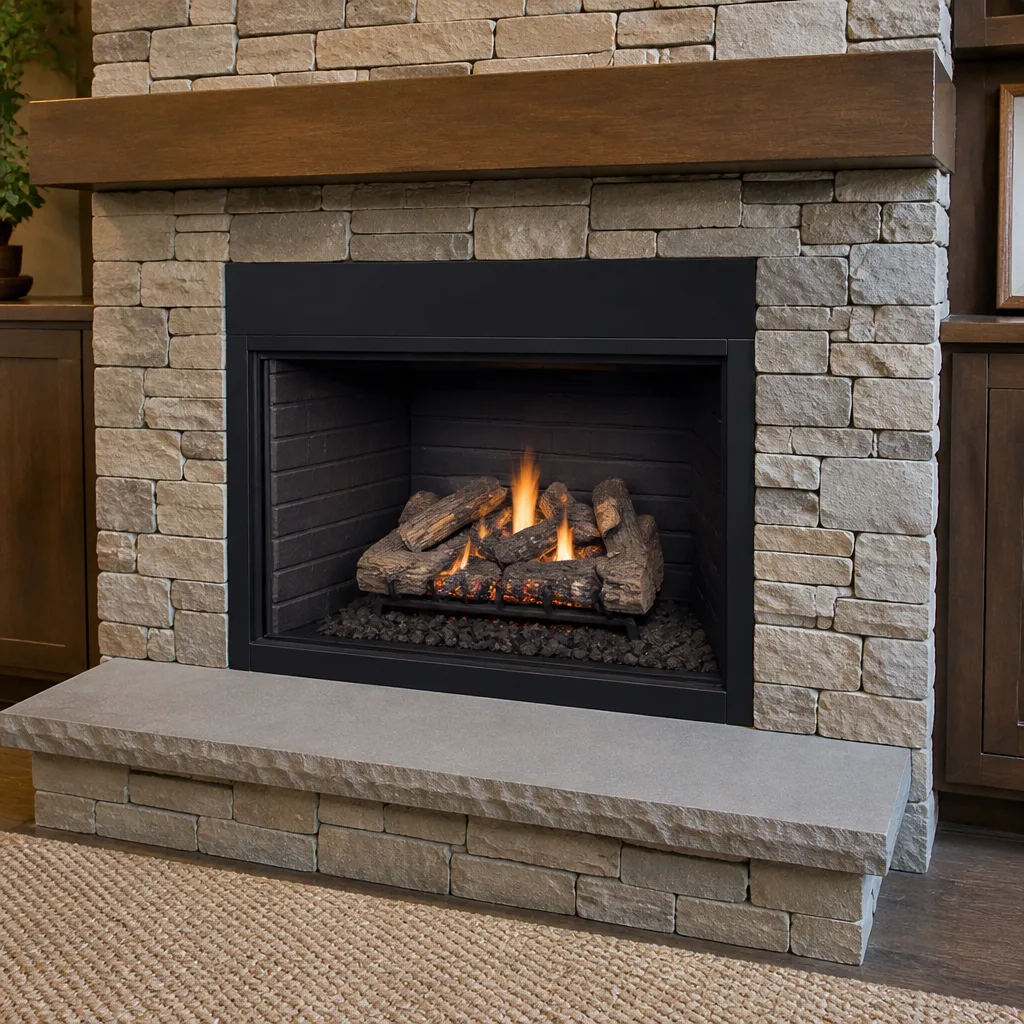 Gas fireplace service
Level 1 sweep and inspection to the NFPA 211 annual standard - flue, crown, cap, and flashing checked and photographed
Chimney sweep logs do not sweep chimneys. They loosen some creosote - which then falls where a brush and vacuum still have to collect it.
Chimney Cleaning Emergency Preparedness Guide for Turtle Rock Homes
A chimney fire doesn’t always announce itself with visible flames. Many burn inside the flue at over 2,000°F while the homeowner sits in the next room hearing what sounds like a distant train, or nothing at all. By the time smoke shows at the top of the chimney, the fire has often been burning for minutes. The Turtle Rock homeowners who come through a chimney emergency with the least damage are the ones who prepared before the first fire was lit, not after the problem started. This guide covers what a flue fire looks, sounds, and smells like from inside the home, the exact steps to take in the first 60 seconds, carbon monoxide risk specific to chimney systems, and the pre-season checklist that keeps a routine evening by the fire from turning into an emergency.
Quick Answer
A chimney emergency in Turtle Rock is best handled by preparing before the burning season starts: get a professional chimney inspection, confirm the cap and damper work, run a smoke test, check the carbon monoxide detectors, and know the first-60-seconds steps if a flue fire starts. Most chimney emergencies happen during the first cold snap, when a flue that sat unused all summer meets its first hot fire. Preparation, not reaction, is what reduces the risk.
Styles & brands we work with
- Sweep & inspection
- Caps & crowns
- Flue relining
- Masonry repair
- Gas fireplace service
Table of Contents
- What a Chimney Fire Looks, Sounds, and Smells Like From Inside the Home
- The First 60 Seconds: What to Do During an Active Flue Event
- Carbon Monoxide Risk in Chimney Systems
- Shutting Down a Fireplace Safely: Why the Damper Instinct Is Sometimes Wrong
- The Pre-Season Preparation Checklist for Turtle Rock Homes
- After a Chimney Event: What to Tell the Fire Department and Your Insurer
- Why the First Cold Snap Is the Most Dangerous Night of the Year
What a Chimney Fire Looks, Sounds, and Smells Like From Inside the Home
Most people picture a chimney fire as flames coming out of the fireplace. That’s the rare, dramatic version. The common version burns quietly up in the flue, fed by creosote that has built up on the inner walls over a season or more of burning. In our experience, homeowners often describe the sound before they describe anything else: a low roar, a rumbling, or a whooshing that doesn’t match the fire they lit. Some compare it to a distant train or a low-flying aircraft. If you hear that sound coming from the chimney while a fire is burning, treat it as a flue fire until a professional tells you otherwise.
Here’s what to watch for, organized by sense:
- Sight: Dense smoke or a dark, oily haze coming from the top of the chimney. Flames or sparks visible at the chimney cap. A sudden, intense heat from the fireplace opening that feels stronger than the size of the fire should produce. Puffy, discolored creosote flakes dropping into the firebox.
- Sound: A rumble, roar, or crackling that seems to come from inside the wall or above the firebox rather than from the fire itself. Tapping or popping sounds from the flue.
- Smell: A sharp, acrid, hot-metal smell. A strong smoky odor in rooms that don’t normally smell like smoke, which can mean the flue is compromised and smoke is escaping into the house instead of up and out.
One detail specific to Turtle Rock and similar hillside neighborhoods: the homes here sit close to mature trees and brush. A chimney fire that throws sparks from the cap can reach nearby vegetation if conditions are dry. That’s one more reason to treat any sign of a flue fire as urgent rather than something to monitor from the couch.
The First 60 Seconds: What to Do During an Active Flue Event
The first minute matters more than anything that follows. If you suspect a chimney fire, these are the steps, in order:
- Get everyone out of the house, including pets. Don’t stop to gather belongings. Get to the yard or the street, away from the chimney side of the house.
- Call 911 from outside. Tell the dispatcher you believe you have a chimney fire. Give your address clearly. A flue fire can spread into the attic or roof structure even when it looks contained from the hearth.
- Don’t try to put water on the fire inside the firebox. Water on a hot firebox or flue can cause steam expansion and cracking. Leave suppression to the fire department.
- Close the fireplace doors or screen if you can do it safely on your way out. This limits how much air feeds the fire. If you can’t do it in a second or two, leave it.
- Stay out until the fire department clears the house. Even after the visible fire is out, the flue can stay hot for hours. A professional needs to inspect before the fireplace is used again.
What not to do: don’t open windows to “let smoke out” during an active event, since that can feed air into the flue. Don’t go onto the roof to check the cap. Don’t assume a small fire is fine because the flames died down. A quiet flue after a loud event often means the fire has moved into creosote higher up, or the flue has cracked. In either case, the next step is a chimney sweep and inspection before you light another fire.
Carbon Monoxide Risk in Chimney Systems
Carbon monoxide is the other chimney emergency, and it’s the one with no sound and no smell. CO is a byproduct of incomplete combustion, and a chimney’s only job is to carry it up and out. When that path is blocked or broken, CO goes where the pressure gradient takes it: into the house.
In chimney systems, CO risk rises under a few specific conditions:
- A blocked or partially blocked flue. Nests, collapsed tile, or heavy creosote can restrict flow. A flue that’s clear at the top can still be blocked lower down.
- A cracked or deteriorated flue liner. Cracks let flue gases pass through the liner and into the surrounding masonry or the home’s framing.
- A cap or crown that’s failed. Water-damaged masonry can spall and fall into the flue, creating blockages. It also means the flue isn’t sealed at the top.
- Backdraft. A fireplace in a tight, well-insulated home can pull smoke and CO back into the room if the pressure balance is off, especially when the house is sealed up for a cool night. Hillside homes in Turtle Rock often run airtight, which makes this more common than people expect.
Here’s the part that matters most: CO detector placement. A CO alarm in the hallway outside bedrooms is good, but the source matters. Put a detector on the same level as the fireplace and another near the bedrooms. If your home has a basement or a lower floor, place one there too, since CO is slightly lighter than air and will mix throughout the house rather than pooling. Test each detector monthly and replace the batteries at the start of the burning season. If a detector alarms, get everyone outside and call 911. Don’t open windows and wait to see if it clears.
Shutting Down a Fireplace Safely: Why the Damper Instinct Is Sometimes Wrong
When a fire seems out of control, the instinct is to close everything down: shut the damper, close the doors, smother the fire. During an active flue fire, opening the damper wide is often the wrong instinct, but so is slamming it shut in every scenario. The right action depends on what’s burning.
If you suspect a flue fire: get out and call 911. Closing the damper can trap heat and pressure in the flue and make it worse, and opening it wide feeds the fire more air. During an active event, the safest thing you can do is evacuate and leave the firefighting to the fire department. The damper is not a control lever for a flue fire.
If you have a normal fire that’s smoking into the room: open the damper fully and check that it’s actually open. Many dampers stick after a summer of disuse, and a homeowner can believe it’s open when it isn’t. If smoke still rolls into the room with the damper open, that’s a sign of a blockage or backdraft, and it’s time to stop burning and call for an inspection.
If you want to shut a fire down at the end of the evening: let it burn down naturally, spread the coals, and close the damper only after the firebox is cool enough that you can hold your hand near the opening without discomfort. Closing a damper on live coals traps CO in the house, which is a real hazard. A carbon monoxide alarm is your backup check on this habit.
This is one area where a pre-season conversation with a specialist pays for itself. If your damper is stiff, warped, or hard to operate, it’s worth having it checked before the season starts.
The Pre-Season Preparation Checklist for Turtle Rock Homes
Most chimney emergencies are avoidable with a short list of checks done before the first fire. In our experience, this checklist is the single highest-value thing a Turtle Rock homeowner can do in the fall. The winters here are mild, which means the fireplace can sit unused for months and then get its first real fire on the first cold night, without any warm-up.
- Get a professional chimney inspection. An inspection is a standalone service and doesn’t have to be attached to a sweep. It gives you a clear condition report on the liner, damper, firebox, cap, and crown before you commit to any work. Ask for photos of anything flagged.
- Inspect the cap and crown. The cap keeps rain, animals, and debris out of the flue. The crown sheds water off the top of the chimney. Both fail over time, and both are leading sources of water damage that turns into a flue problem. A chimney cap & crown check is a core part of pre-season prep.
- Test the damper. Open and close it fully. If it sticks, doesn’t seal, or is hard to move, have it looked at before the season starts.
- Run a pre-startup smoke test. Light a small piece of newspaper or a smoke pellet in the firebox with the damper open. Watch whether the smoke goes up the flue or rolls into the room. If it rolls, there’s a blockage or a draft problem.
- Check the carbon monoxide detectors. Test every unit, replace batteries, and confirm there’s one on the fireplace level and one near the bedrooms. Replace any detector older than its manufacturer’s replacement date.
- Clear the firebox and hearth area. Remove ash buildup and any combustible material close to the opening. Check that the firebox itself has no cracks in the brick or mortar.
- Confirm the flue hasn’t been used by animals. Nests are a common cause of blockages, and they’re easy to miss without a look down the flue.
If you use a gas fireplace, skip the wood-fire steps but keep the inspection and CO detector checks. Gas appliances vent through the same flue system, and a blocked or damaged flue carries the same CO risk. Our technicians have up to 14 years of experience and use professional-grade materials, including HeatShield resurfacing for deteriorated flue tiles and DuraFlex liners when a liner needs to be replaced.
After a Chimney Event: What to Tell the Fire Department and Your Insurer
If you’ve had a chimney fire or a CO event, the aftermath is its own process. What you say and what you can show matter.
To the fire department: tell them exactly what you observed and when. If you heard a roar or rumbling, say so. If you saw smoke or sparks from the cap, describe it. If you closed the damper or doors at any point, tell them. Firefighters need to know whether the fire may have moved into the framing, and your observations help them decide what to check.
To your insurance company: report the event promptly and in writing. Keep a record of the date and time, what you observed, and any damage you can see. Don’t light another fire or make repairs before the claim is documented. Your sweep’s inspection records are the first document the insurer will want, which is why a written inspection report with photos is worth having even when nothing goes wrong. It shows the condition of the flue before and after, and it’s the difference between a smooth claim and a disputed one.
After any flue fire, the chimney needs a Level 2 inspection before it’s used again. That means a camera inspection of the flue to check for cracks, gaps in the liner, and damage to the surrounding masonry. In our experience, a flue fire that “looked small” often leaves hidden damage that shows up on camera. Our inspection reports include photos so a homeowner can see exactly what the inspector sees, and there’s no recommendation without camera evidence to back it up.
Why the First Cold Snap Is the Most Dangerous Night of the Year
The riskiest night for a chimney emergency in Turtle Rock isn’t the coldest night of winter. It’s the first genuinely cold night of the season. Here’s why.
Over the warmer months, a flue can accumulate dust, animal nests, and small amounts of creosote residue from the previous season. The masonry is dry and hasn’t seen heat. A homeowner who hasn’t had the chimney checked lights a large first fire, often with a full load of wood, to warm the house quickly. That oversized, hot fire is exactly the condition that ignites existing creosote and stresses a flue that hasn’t been warmed gradually.
There’s a second factor: thermal stress. A flue that’s heated slowly and gently over a season handles expansion better than one hit with a hot fire on a cool masonry mass. A crack that develops on the first cold night may not be obvious until the next inspection, but it opens a path for CO into the home. That’s why the pre-season inspection and the smoke test matter more than the mid-winter sweep.
The practical response is simple: get the inspection done before the first fire, start with a small fire to warm the flue gradually, and don’t wait for a chimney emergency to find out the flue has a problem. For a deeper look at the full system and its components, the Chimney Sweep Turtle Rock page covers the services and materials we work with.
Common Mistakes to Avoid
- Assuming no flames means no fire. Most chimney fires burn inside the flue without visible flames from the hearth. A roar, a rumble, or smoke at the cap is enough to act on.
- Skipping the inspection because the sweep was recent. A sweep cleans the flue; an inspection finds cracks, liner damage, and cap failures. They’re different services and both matter.
- Closing the damper during an active flue fire. This can trap heat and pressure in the flue. Evacuate and call 911 instead.
- Putting a single CO detector in the hallway. CO risk comes from the fireplace level. Place detectors on the fireplace floor and near bedrooms.
- Waiting for the first cold night to test the damper. A damper that hasn’t moved since last spring often sticks. Test it before the season.
- Ignoring the cap and crown. These are the first line of defense against water damage, which is a leading cause of flue and masonry problems in Turtle Rock homes. A damaged crown is easy to miss from the ground.
- Trusting a sweep-only operator for repair work. Some companies clean but can’t repair. If the inspection finds a failed liner, you want a specialist who can handle it with a proper liner and flue resurfacing materials.
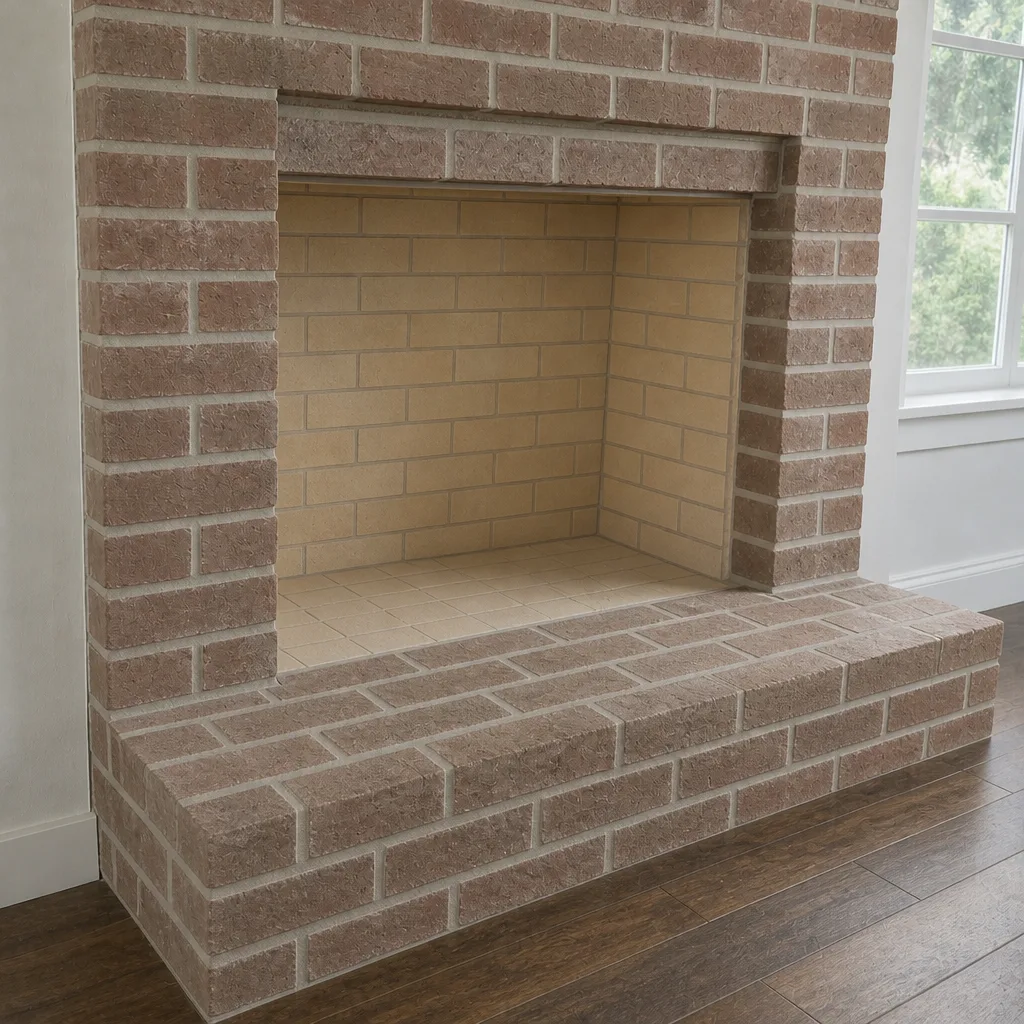
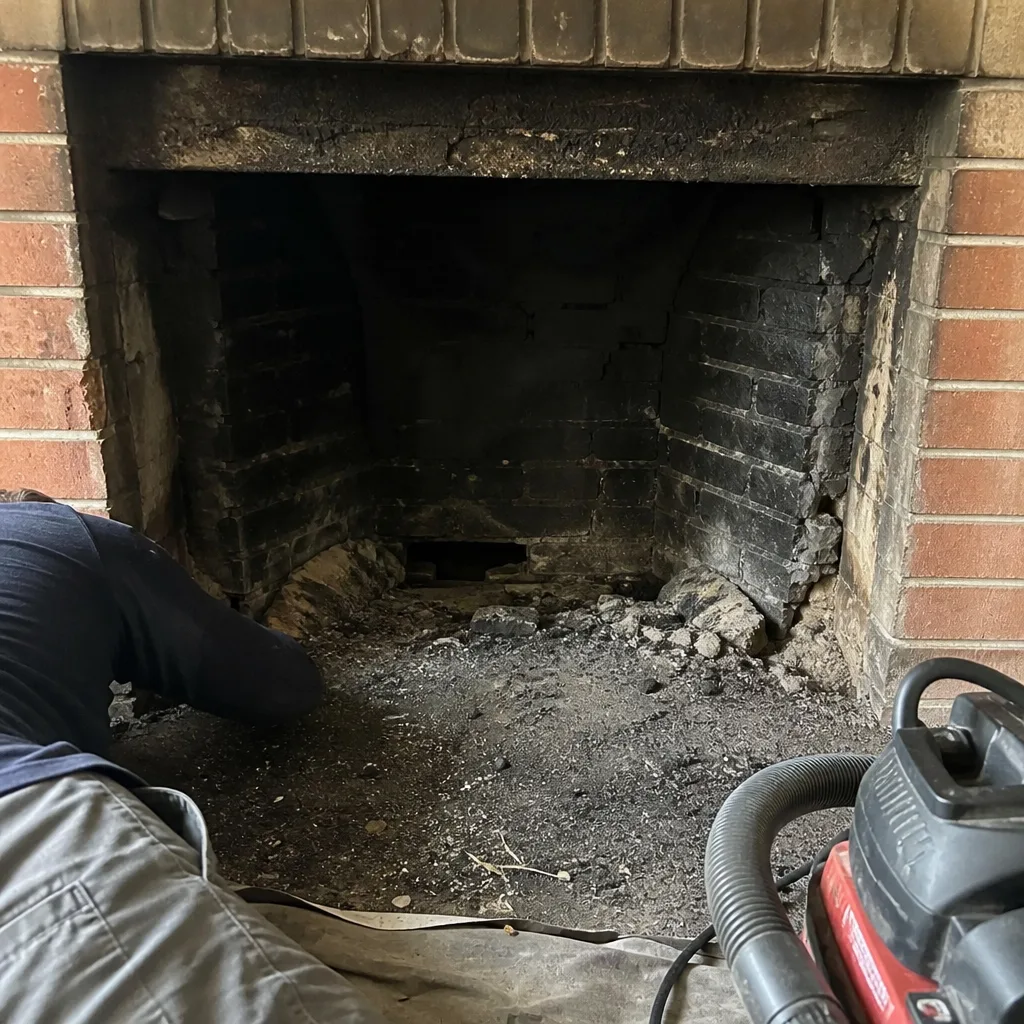
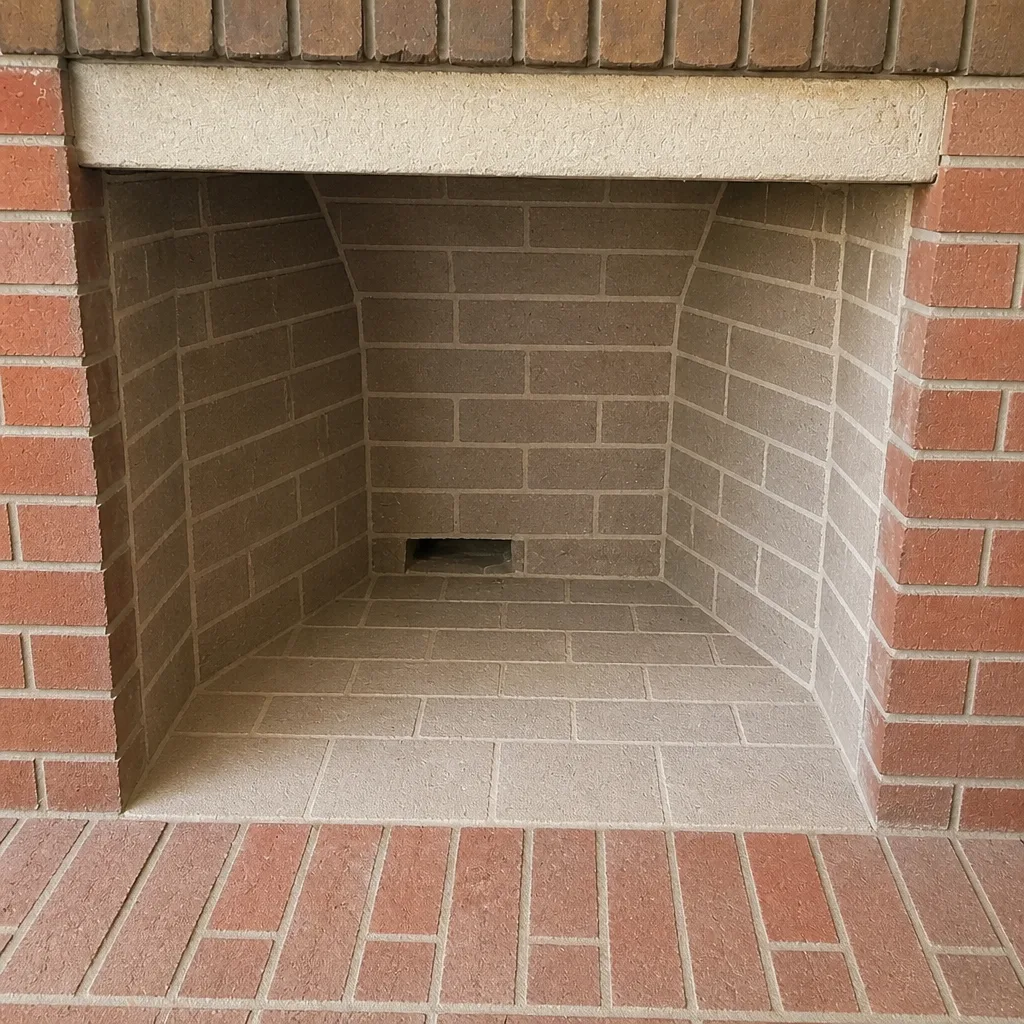
See the difference
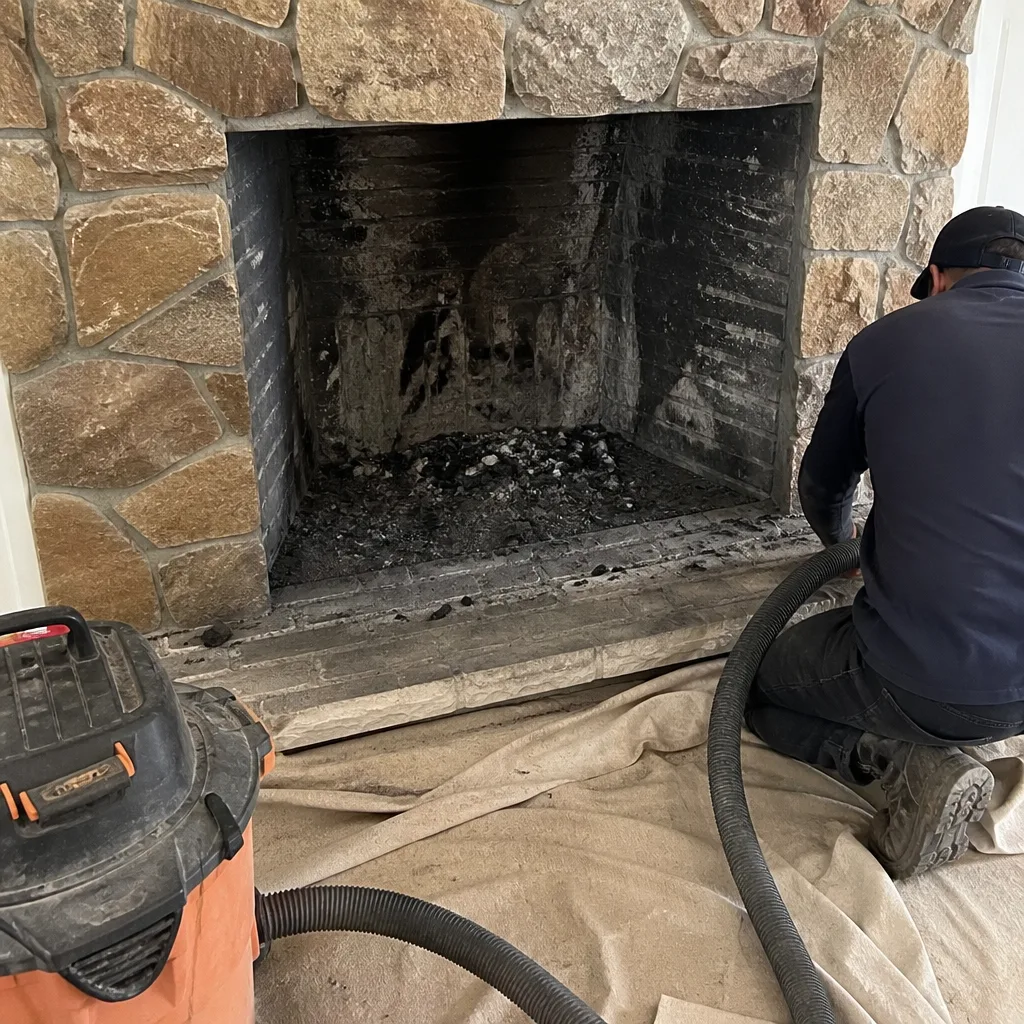 Before
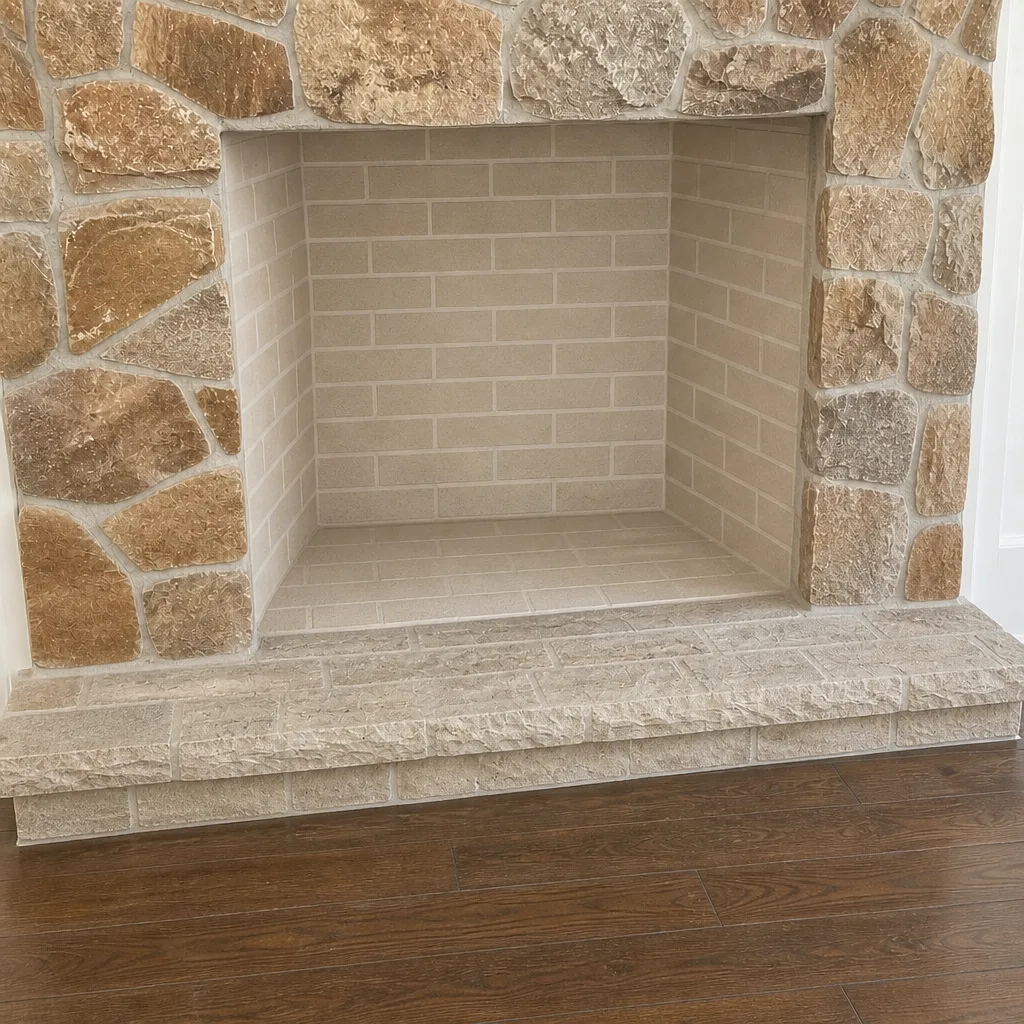 After
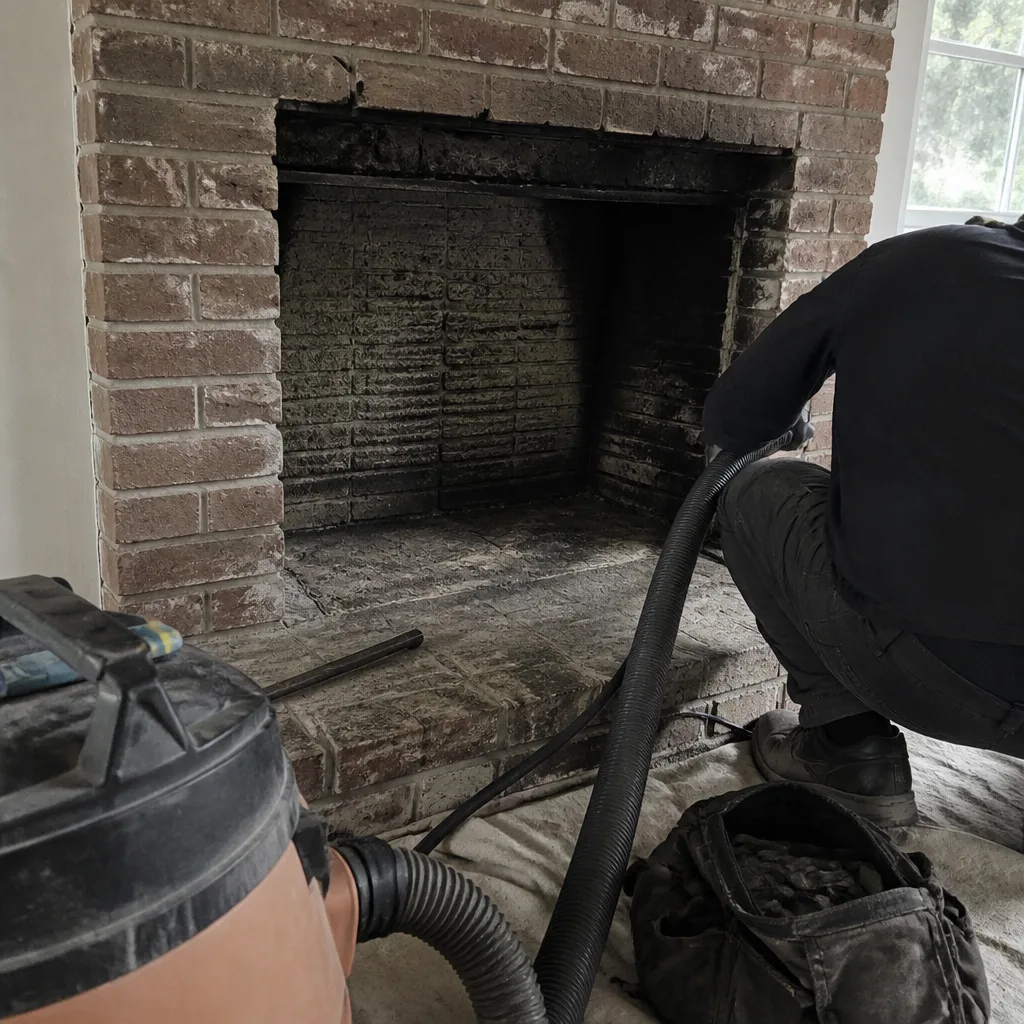 Before
 After
 Before
 After
When to Call a Professional
Call a professional if you’ve had any chimney fire, even a small one, or a CO alarm has ever gone off. Call if you smell smoke in the house when the fireplace is burning, if the damper is stiff or won’t seal, if you see cracked or missing mortar in the firebox, or if you can’t remember the last inspection. Call if you see creosote buildup on the flue walls, or if the cap or crown is damaged. And call before the first cold night of the season, not after. Chimney Sweep Turtle Rock offers free estimates in Turtle Rock. Call (833) 408-3854. We answer 24/7. Fast dispatch from 7am to 7pm, Sunday through Friday.
Frequently Asked Questions
Look for a roar, rumble, or whooshing from the chimney, dense smoke or sparks from the cap, a hot-metal smell, or a sudden intense heat from the fireplace. Many chimney fires burn inside the flue with no visible flames, so sound and smell are often the first signs. If you suspect one, get out and call 911 first, then call us for a post-event inspection. Call (833) 408-3854 for an exact quote, estimates are free.
Most chimney professionals recommend an annual inspection, and a sweep whenever creosote buildup reaches the level that needs cleaning, typically once a year for regular wood burners. Homes that burn heavily, or that have any history of a chimney fire, should be inspected more often. A standalone inspection gives you a condition report you can act on. Call (833) 408-3854 to book one.
Put one on the same level as the fireplace and one near the bedrooms, plus one on any lower level. CO mixes throughout the house, so level-specific placement matters more than a single hallway unit. Test monthly, replace batteries at the start of the season, and replace the whole detector when it reaches its manufacturer’s replacement date. Call (833) 408-3854 for a pre-season inspection that includes a CO risk check.
Not until a professional inspection clears it. A flue fire can leave cracks in the liner or the surrounding masonry that aren’t visible from the firebox, and a cracked flue lets CO into the home. A camera inspection is the only way to know for sure. Call (833) 408-3854 and we’ll give you a straight answer on whether it’s safe to use.
Report the event in writing as soon as you can, with the date, time, what you observed, and any visible damage. Don’t light another fire or repair anything before it’s documented. Your sweep’s written inspection report and photos are the first document your insurer will ask for, so keep a copy. Call (833) 408-3854 for an inspection report you can hand to your insurer.
Yes. The cap keeps rain, animals, and debris out of the flue, and the crown sheds water off the top of the chimney. When either fails, water damage can spall masonry and drop debris into the flue, which causes blockages and cracks over time. Both are checkable before the season starts. Call (833) 408-3854 and we’ll check the cap and crown as part of a pre-season visit.
The Bottom Line
Chimney emergencies in Turtle Rock are prepared for, not reacted to. The first cold snap is the riskiest night, because a flue that sat unused all summer meets its first hot fire with no inspection and no warm-up. Get a standalone inspection, check the cap and crown, test the damper, run a smoke test, and confirm CO detector placement before the burning season. If a flue fire does start, get everyone out, call 911, and don’t try to fight it from the hearth. Afterward, a camera inspection tells you exactly what happened and gives your insurer the record they’ll ask for. The fireplace repair page covers what happens after the inspection finds a problem.
Chimney Sweep Turtle Rock is a chimney specialist. We handle the full system, from the firebox to the crown, and we work with professional-grade product lines including DuraFlex, HeatShield, Gelco, Olympia Chimney, Famco, and Copperfield. Our technicians have up to 14 years of experience. Call (833) 408-3854 for a free estimate. We answer 24/7. Fast dispatch from 7am to 7pm, Sunday through Friday.
Written by the team at Chimney Sweep Turtle Rock.