
Last updated November 24, 2026
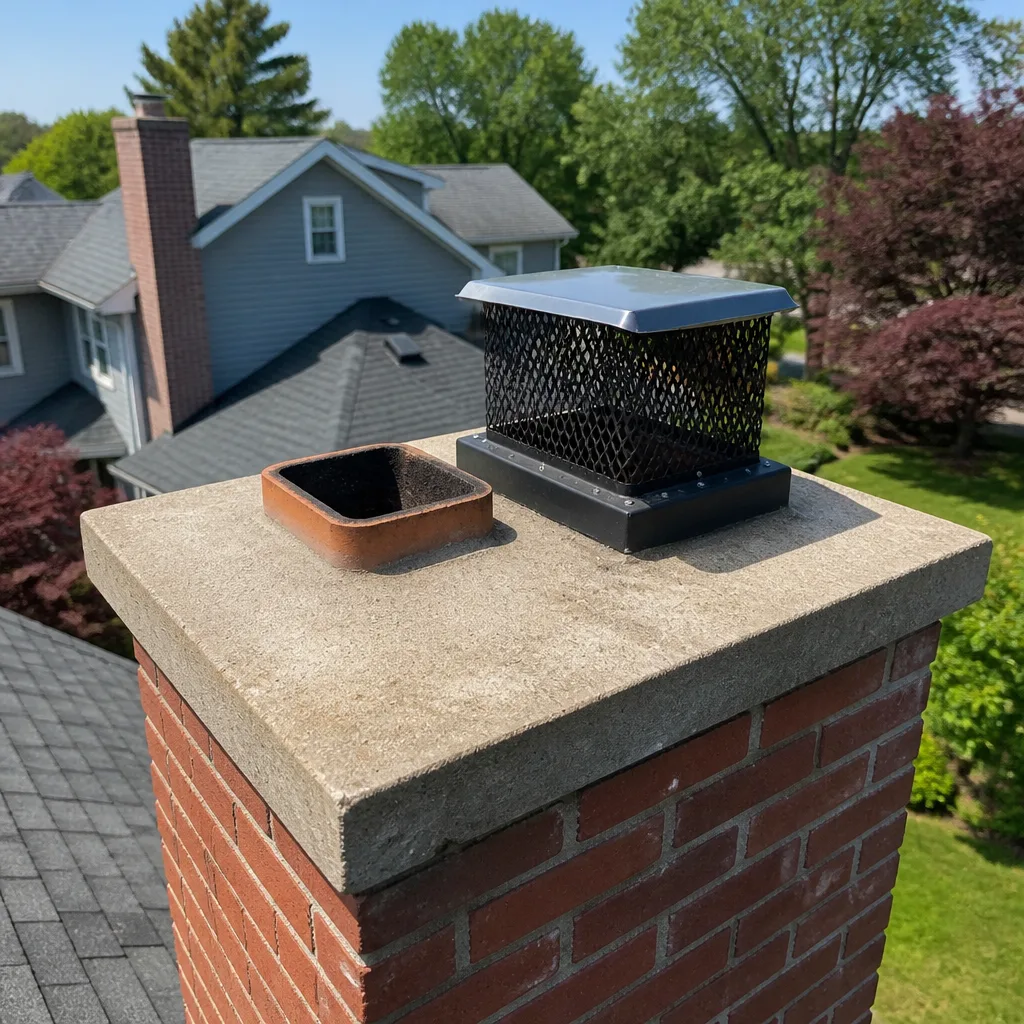 Sweep & inspection
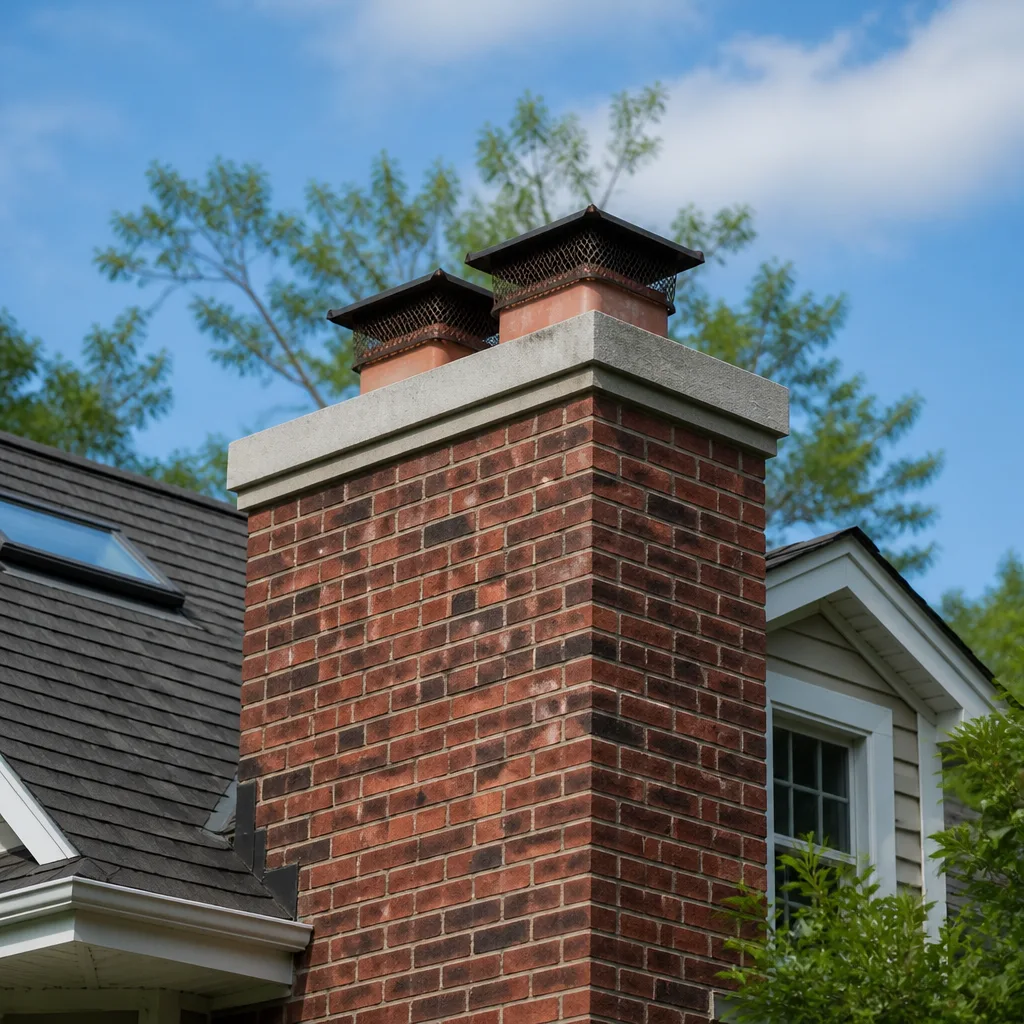 Caps & crowns
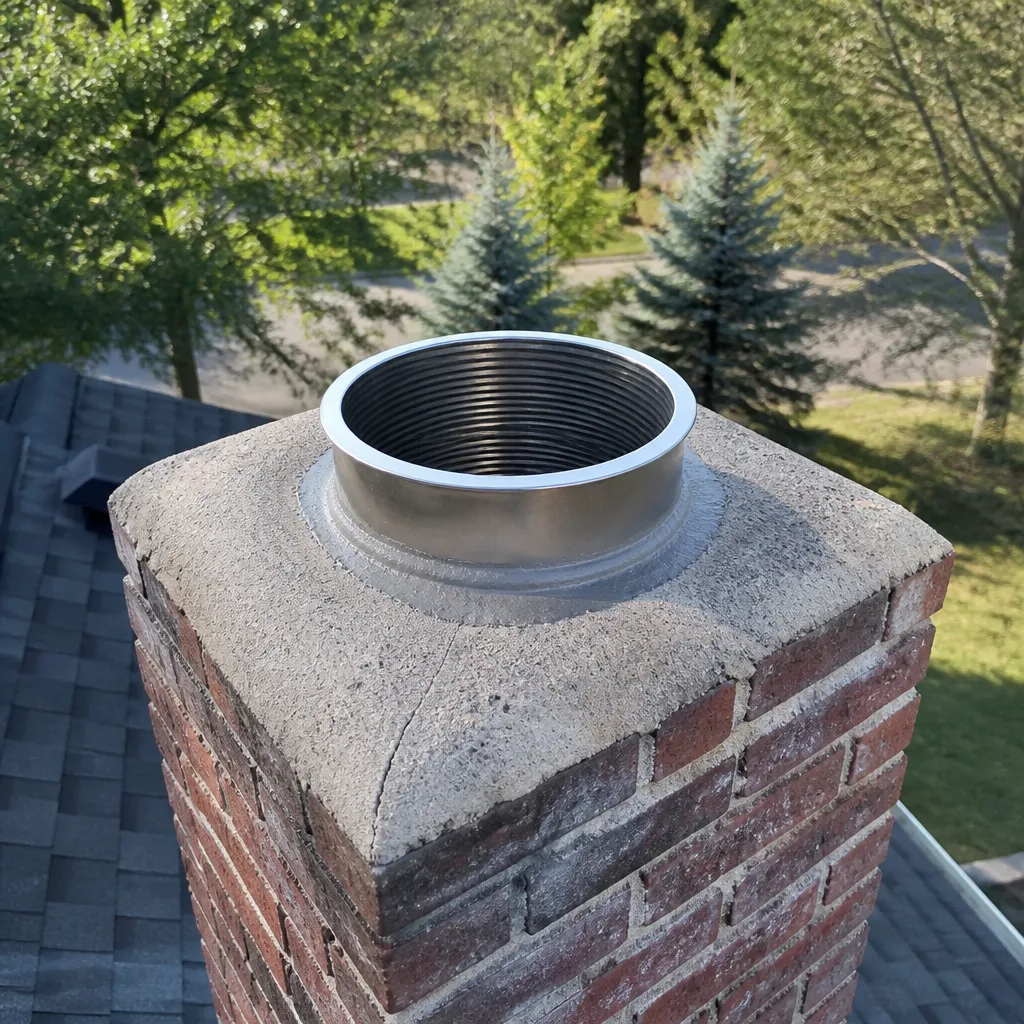 Flue relining
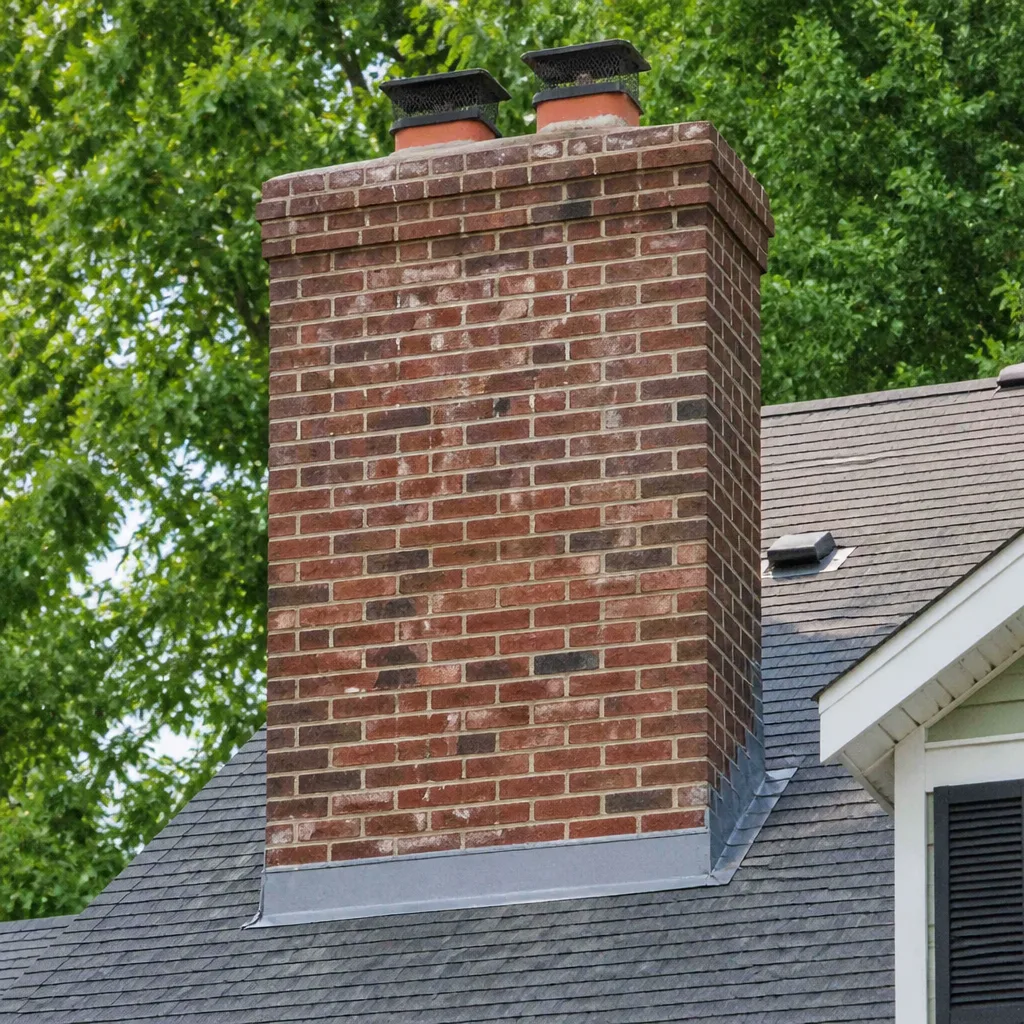 Masonry repair
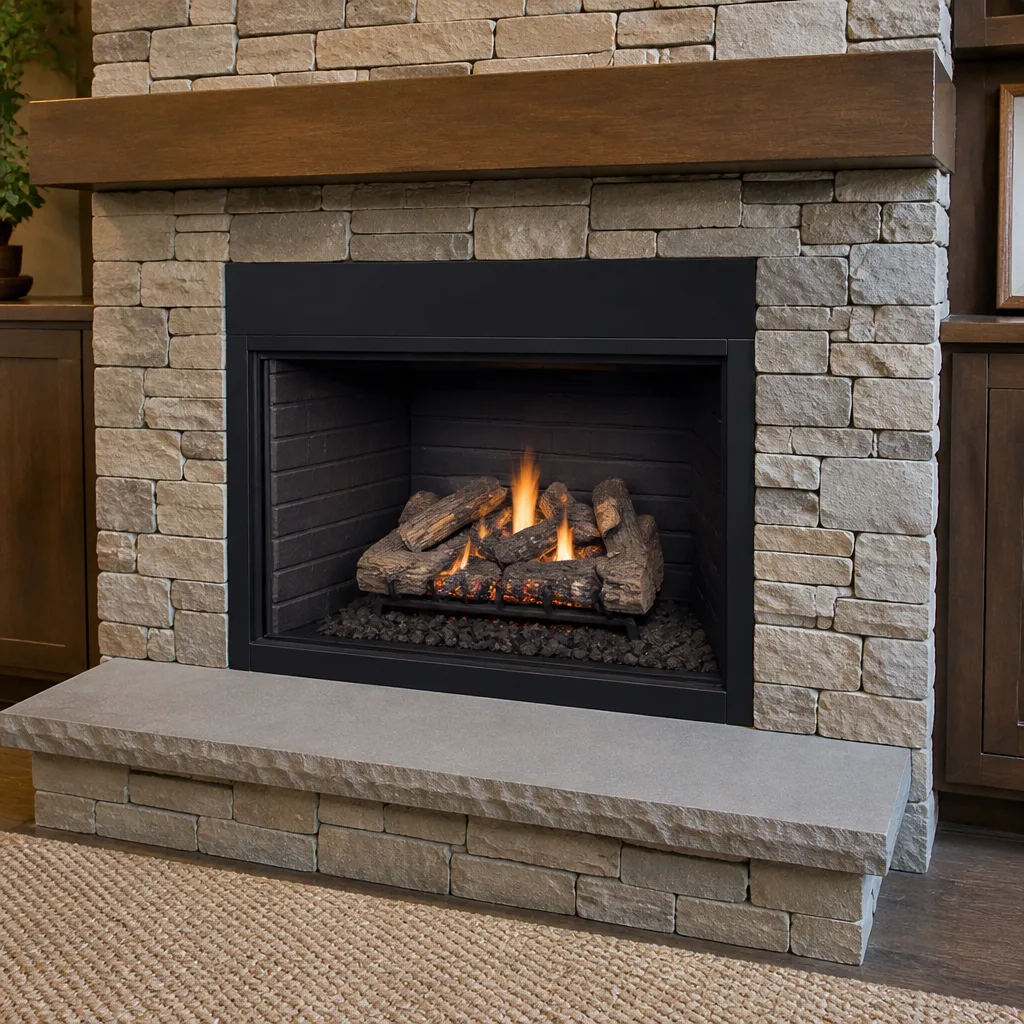 Gas fireplace service
Level 1 sweep and inspection to the NFPA 211 annual standard - flue, crown, cap, and flashing checked and photographed
Chimney sweep logs do not sweep chimneys. They loosen some creosote - which then falls where a brush and vacuum still have to collect it.
Chimney Sweep Maintenance Checklist for Turtle Rock Homeowners
The most dangerous chimney condition in Turtle Rock isn’t from heavy use. It’s from a fireplace that sat unused for 18 months while a family thought “we barely use it, it’s fine.” Long dormancy does quiet damage: creosote hardens, a damper rusts shut, a cap loosens without anyone noticing. Then the first cool evening comes, the fire gets lit, and the system is tested for the first time in a year and a half. This guide gives you a real maintenance framework built around how Turtle Rock homes actually live: dry Santa Ana wind periods, wet winters, and long stretches of dormancy between fires. You’ll get a checklist organized by who does each task, a condition log you can hand to a buyer or insurer, and the red flags that mean stop.
Quick Answer
A chimney maintenance checklist for Turtle Rock homeowners splits into three tracks: monthly tasks you can do yourself (firebox, damper handle, smoke shelf view), seasonal tasks tied to the Santa Ana wind and wet-winter cycle, and an annual professional sweep and inspection. Together they keep the system safe, catch water damage early, and produce a maintenance log that holds up when you sell the house or file a claim.
We handle the full chimney system at Chimney Sweep Turtle Rock, from annual sweeps to structural repair, and we’ll tell you plainly when work can safely wait.
Styles & brands we work with
- Sweep & inspection
- Caps & crowns
- Flue relining
- Masonry repair
- Gas fireplace service
Table of Contents
- Why a Dormant Fireplace Is Riskier Than a Working One
- Track 1: What You Can Check Yourself Each Month
- Track 2: Seasonal Tasks Around Santa Ana Winds and Wet Winters
- Track 3: The Annual Professional Sweep and Inspection
- Red Flags That Mean Stop Using the Fireplace
- How to Log Chimney Condition Over Time
- What You Can Safely Clean vs. What Needs a Specialist
- Common Mistakes to Avoid
Why a Dormant Fireplace Is Riskier Than a Working One
Use builds creosote, and creosote is the problem everyone talks about. Dormancy builds a different set of problems that get less attention: water intrusion, animal nesting, and stuck mechanical parts. A chimney that vents a fire every winter stays dry inside because heat and airflow move moisture out. A chimney that vents nothing for a year becomes a cool, still column of air, and still air plus a trickle of rain is exactly what a cap or crown failure needs to start pitting the flue.
In Turtle Rock, this dormancy pattern is common. Many homes here sit through the dry months with the fireplace untouched, then get steady use through the wet winter. That’s not heavy use in the national sense, but it’s plenty of use for a system that got zero attention between seasons.
Here’s what we’ve learned from inspecting dormant chimneys: the health of a chimney isn’t measured in fires, it’s measured in the gaps between fires. The gaps are when small problems become expensive ones.
- Creosote glazes over. A thin film from last winter dries out and hardens when the chimney isn’t in use. Hardened creosote is harder to brush off and more combustible than fresh deposits.
- Dampers seize. The handle rusts or the plate sticks. Then someone forces it and bends the frame, or leaves it propped open.
- Caps loosen. Wind, heat cycling, and time work the fasteners. A cap that’s slightly off can admit rain and let birds in.
- Flue tile cracks spread. Small cracks that would tolerate steady use grow worse when they’re wet. Wet masonry plus a dormant flue is a slow-building problem.
The good news is that all of it is catchable before it costs real money. That’s why the checklist is organized by cadence. Monthly checks catch active problems. Seasonal checks catch the wind-and-rain cycle. The annual professional sweep catches the rest.
Track 1: What You Can Check Yourself Each Month
You don’t need tools for most of the monthly checklist. You need five minutes and a flashlight. These tasks are safe for anyone to do from the room side of the firebox. Anything past the damper plate is a different story.
- Look in the firebox. Shine the light up and around. You’re looking for moisture, stains, or deposits that look fresh since last time. A damp smell in a dry month is worth noting.
- Test the damper handle. It should move without force. If it sticks, stop and note it. Don’t muscle it.
- Check the smoke shelf view. Open the damper and look up into the smoke chamber. You should see the upper flue. If you see nests, leaves, or daylight where it shouldn’t be, stop.
- Check the firebox seal at the hearth. Make sure no gaps have opened between the firebox and the surround. Small gaps let smoke and embers reach places they shouldn’t.
- Look up at the exterior cap. From the ground, with binoculars if you need them. Check that the cap is seated, the screen is intact, and no branches or debris are blocking it.
None of these take more than a few minutes per month, and they catch the most common failures early. If any of them turn up something you can’t explain, write it down and flag it for the next professional visit.
Track 2: Seasonal Tasks Around Santa Ana Winds and Wet Winters
Turtle Rock’s weather cycle does specific things to a chimney. Late summer and fall bring the Santa Ana winds: hot, dry air moving fast. That’s a drying cycle, and it’s hard on caps, crowns, and exterior masonry joints. Then the wet season arrives and the system gets wet for the first time in months. The sequence matters, and the seasonal checklist is built around it.
Here’s what we tell homeowners to do seasonally, and when:
Before the winds (late summer):
- Walk the exterior and inspect the cap and crown for cracks, lifting, or gaps. Wind finds weak mortar joints and opens them.
- Clear any tree limbs near the termination. Wind-driven limbs are a common cause of cap damage.
- Check that the damper seats fully. A damper left open through a dry, windy season pulls dust and dry debris into the smoke chamber.
After the first wet fronts (mid-winter):
- Look for moisture at the firebox, the hearth, and the ceiling near the chimney chase. These are the first places interior water intrusion shows.
- Check the exterior crown for new cracks or dark staining. Wet-then-dry cycles reveal crown failures that dry weather hid.
- Note any smell of damp soot or a sour odor near the fireplace. That’s a sign of moisture in the flue or firebox.
Before the next fire season:
- Call for the annual professional sweep and inspection. The best time is before you plan to use the fireplace, so the system is checked with fresh eyes before it earns real work.
The sequence isn’t arbitrary. The wind season is when exterior failures happen. The wet season is when you learn about them. The annual sweep is how you confirm what’s real and what’s cosmetic.
Track 3: The Annual Professional Sweep and Inspection
An annual professional visit is the backbone of the whole checklist. It has two distinct parts, and understanding the difference is how you avoid being oversold.
The sweep is the cleaning. It uses a brush fitted to the flue, plus a vacuum system to keep the room clean. Annual sweeping clears creosote, soot, and debris so the flue vents properly.
The inspection is the condition report. A real inspection looks at the firebox, damper, smoke chamber, flue liner, cap, crown, and exterior masonry. It should include camera footage of the flue so you see what the inspector sees. We never recommend a repair you can’t verify on the screen.
At Chimney Sweep Turtle Rock, inspection is a standalone service. You can book it on its own if you just want a condition report before committing to anything. You can also book a full chimney sweep and inspection together when the system needs both.
What a good annual visit covers:
- Full visual inspection of the firebox, damper, and smoke chamber.
- Camera inspection of the flue liner, with photos in the report.
- Sweep of the flue and removal of all soot and creosote.
- Exterior inspection of the cap, crown, flashing, and masonry joints.
- A written condition report, with recommendations separated into “needs doing now,” “monitor,” and “can wait.”
That last part matters most. A good inspection tells you what to leave alone. When we recommend liner repair or crown work, we show you the camera evidence, and we tell you plainly when a job can safely wait a season.
Red Flags That Mean Stop Using the Fireplace
Most checklist items are maintenance. A handful are stop-and-call items. If any of the following turns up, stop using the fireplace until a specialist sees it.
- The damper doesn’t close or seal. If the damper won’t close, you can’t control the fire, and a fire that can’t be controlled is dangerous.
- You see cracked or missing flue tile from inside the firebox. Damaged flue tile allows heat to reach the chimney structure, which is a fire risk in the framing.
- Moisture or dark staining on the interior walls of the firebox or the ceiling near the chimney. Water intrusion into a chimney system quickly becomes structural damage.
- Creosote buildup that looks thick and glazed. Glazed creosote is highly combustible. A fire in a glazed flue is the condition that chimney sweeps are trained to prevent.
- A smell of gas, or a clicking or roaring sound at the burner on a gas fireplace. Stop and call. Gas and combustion problems are not a maintenance item.
- Smoke rolling into the room when the fire is burning. This means the flue isn’t venting. Don’t burn until the cause is found.
None of these are reasons to panic, but all of them are reasons to stop burning and get eyes on the system. The difference between an easy repair and an expensive one is usually how soon a red flag gets seen.
How to Log Chimney Condition Over Time
Your maintenance log is the most underused tool in home chimney care. It costs nothing to keep and it pays off at exactly the moments you need it: a home sale, an insurance claim, or a contractor who wants to sell you work you didn’t ask for.
Here’s what to log, in plain terms:
- Date and type of each professional visit. Sweep, inspection, or both. Note who performed it and what they reported.
- The full condition report. Keep the written report, including the camera footage or photos. If you received photos, file them with the report.
- Any work done, with materials. Note what was repaired and the products installed. If a cap or crown was installed, note the component and the installer.
- Your own observation notes. Anything you saw during a monthly check that seemed off. Date it. A “damper sticking, noted March” line is worth more than you’d think.
- Seasonal observations. Wet-season moisture, post-wind damage, change in performance. These notes help a future inspector understand what’s normal and what’s new.
Keep the log somewhere you’ll find it. A folder in a filing cabinet, a shared document, or a note on the fridge. If you’re selling a Turtle Rock home, a clean log is one of the easiest ways to show a buyer that the most mechanically complex part of the house was cared for.
If you’ve never kept a log, start with a chimney sweep and inspection. That single visit becomes your baseline, and every future report compares against it.
What You Can Safely Clean vs. What Needs a Specialist
The line between homeowner-safe and call-a-specialist is drawn by the damper plate. Everything in the room side, below the damper, is generally within reach. Everything above is not.
Safe for a homeowner:
- Removing loose ash from the firebox after the fire is fully cold.
- Wiping down the firebox walls with a dry cloth.
- Dusting the hearth and cleaning the surrounding materials.
- Checking the damper handle for stuck movement.
- Looking up into the smoke shelf view with a flashlight.
Not safe for a homeowner:
- Reaching past the damper into the flue.
- Running a brush on a pole from inside the firebox.
- Going on the roof to inspect or remove the cap.
- Cleaning the smoke chamber, which requires reaching above the smoke shelf.
- Any work on a gas fireplace’s burner assembly or venting.
The work above the damper is what the annual sweep is for, and the reason isn’t caution for its own sake. The flue geometry, the smoke chamber shelf, and the cap all create injury and property risks that a trained technician has tools and training to handle. Our technicians have up to 14 years of experience doing exactly this.
There’s also a quality reason. A proper sweep uses a brush matched to your flue size and material. Bronze or poly brushes for tile. Proper dust control. A vacuum system to keep the room clean. Homeowner brushes on a pole tend to leave deposits in the corners, and a partially cleaned flue is worse than a clean one because the remaining creosote glazes harder next time.
Common Mistakes to Avoid
- Treating “barely used” as “doesn’t need maintenance.” A fireplace that sees six fires a year still needs an annual sweep. Dormancy does its own damage, and a low-use flue still collects creosote and moisture. Book the annual visit regardless of how many times you lit it.
- Skipping the inspection to save a step. A sweep without an inspection cleans what’s there but doesn’t reveal what’s cracked, soft, or about to fail. The inspection is where you learn the condition of the system.
- Forcing a stuck damper. Dampers stick from rust, misalignment, or debris. Forcing the handle bends the frame and turns a repair into a replacement. If it sticks, note it and call a technician for fireplace repair.
- Cleaning the exterior cap off a ladder. Ladder work on a chimney with wind, heat, and a cap that may be loose is how people get hurt. Exterior work goes to a specialist with the right equipment.
- Ignoring water stains until spring. Water intrusion into a chimney gets worse through the wet season. A stain on the ceiling near the chase in January is a call for a specialist, not a wait-and-see.
- Trusting a sweep who recommends repairs without photos. If a technician tells you the flue needs work, ask to see the camera footage. If they can’t show it, get a second opinion. We always include the photos.
- Letting a cap go unmaintained. The cap and crown aren’t accessories. They’re what keeps water and animals out of the flue. A damaged cap is the source of most interior chimney damage we see in Turtle Rock, and chimney cap & crown work is often the fastest way to stop a leak.
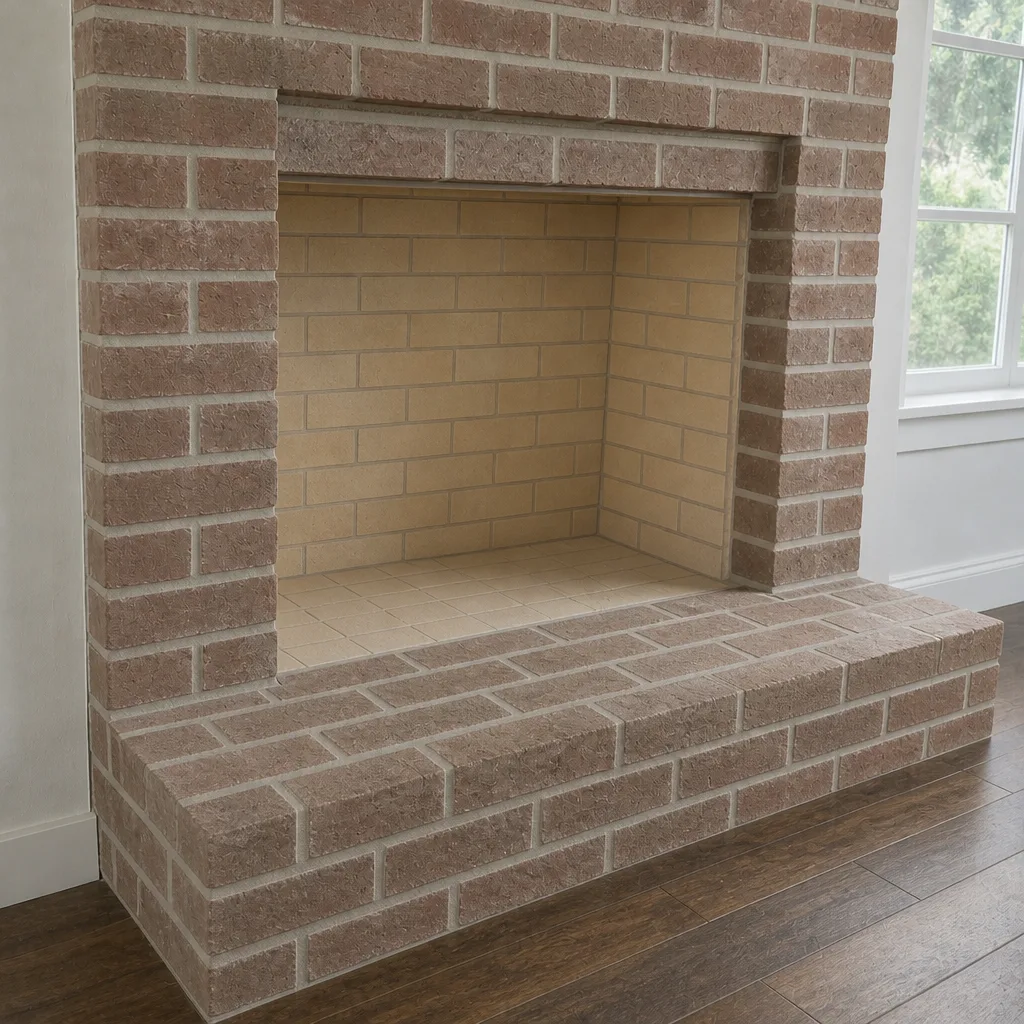
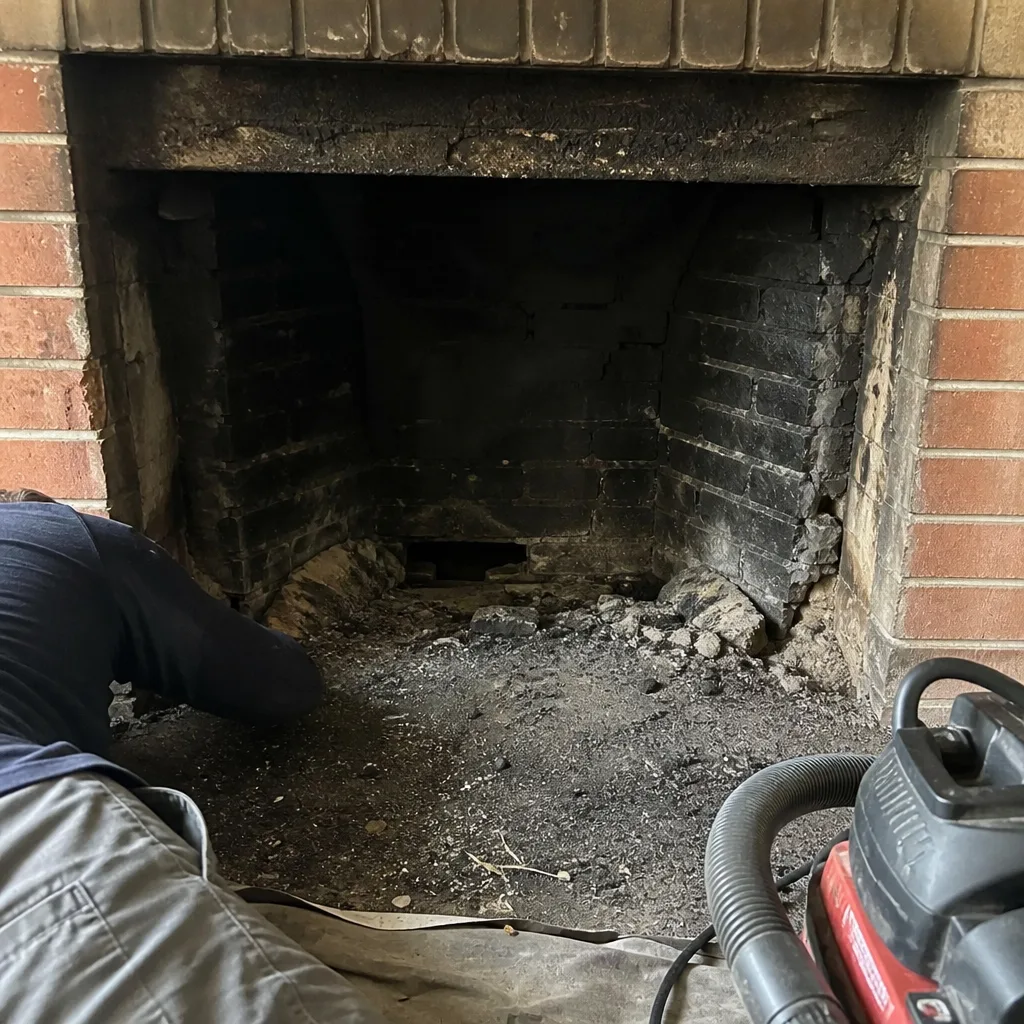
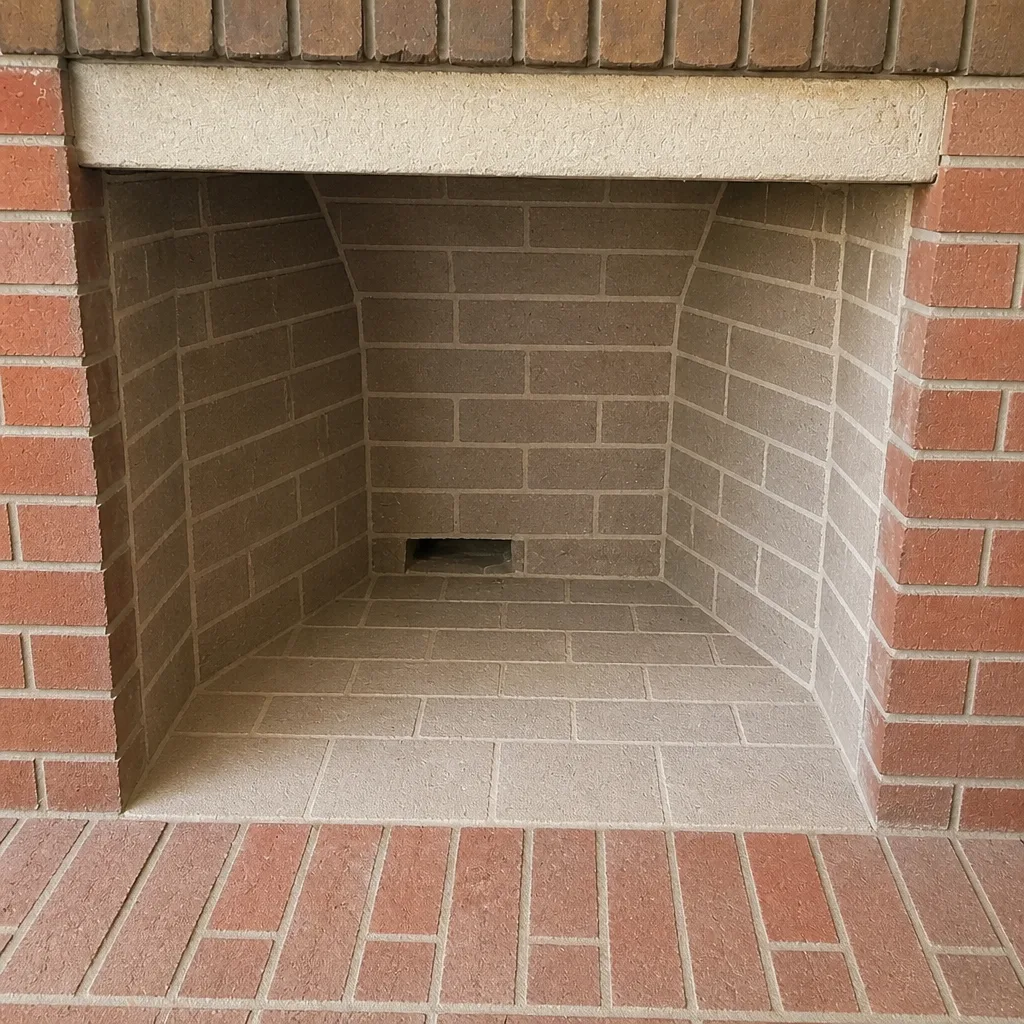
See the difference
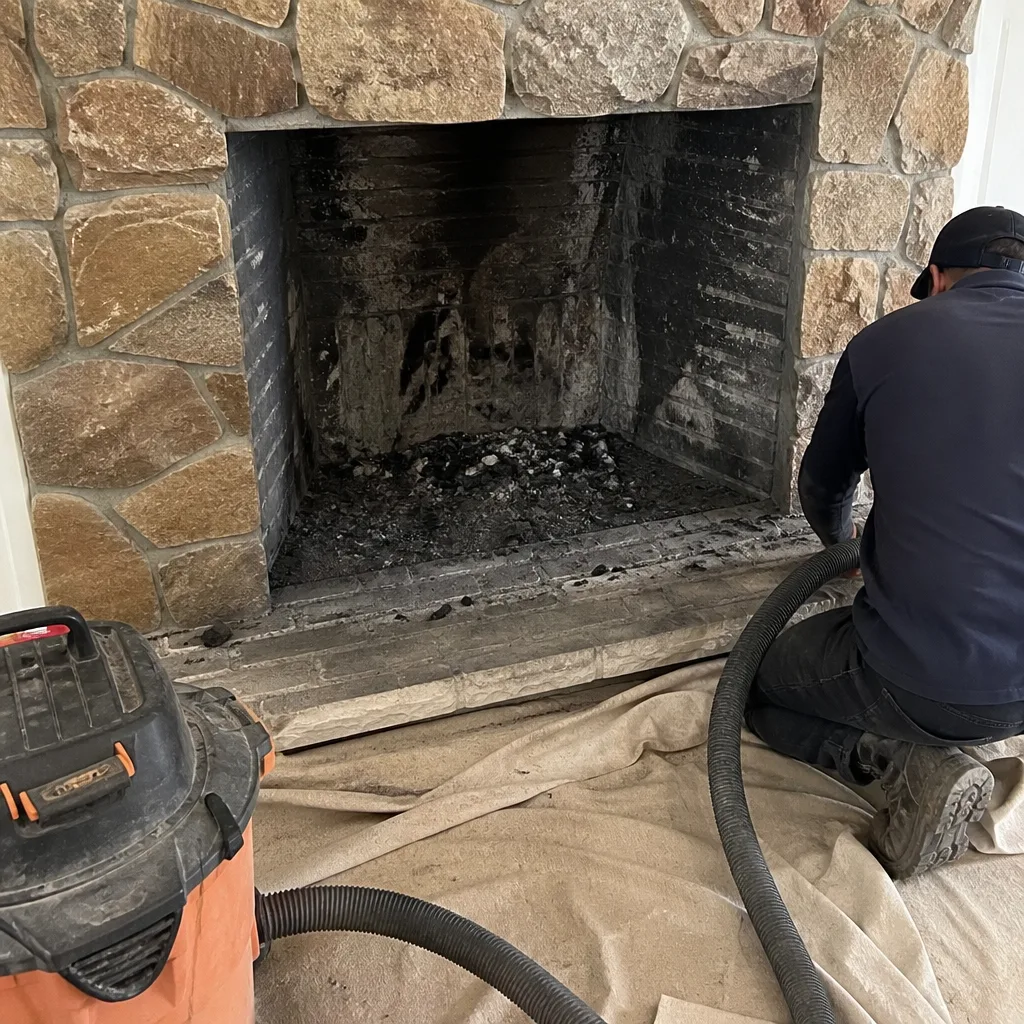 Before
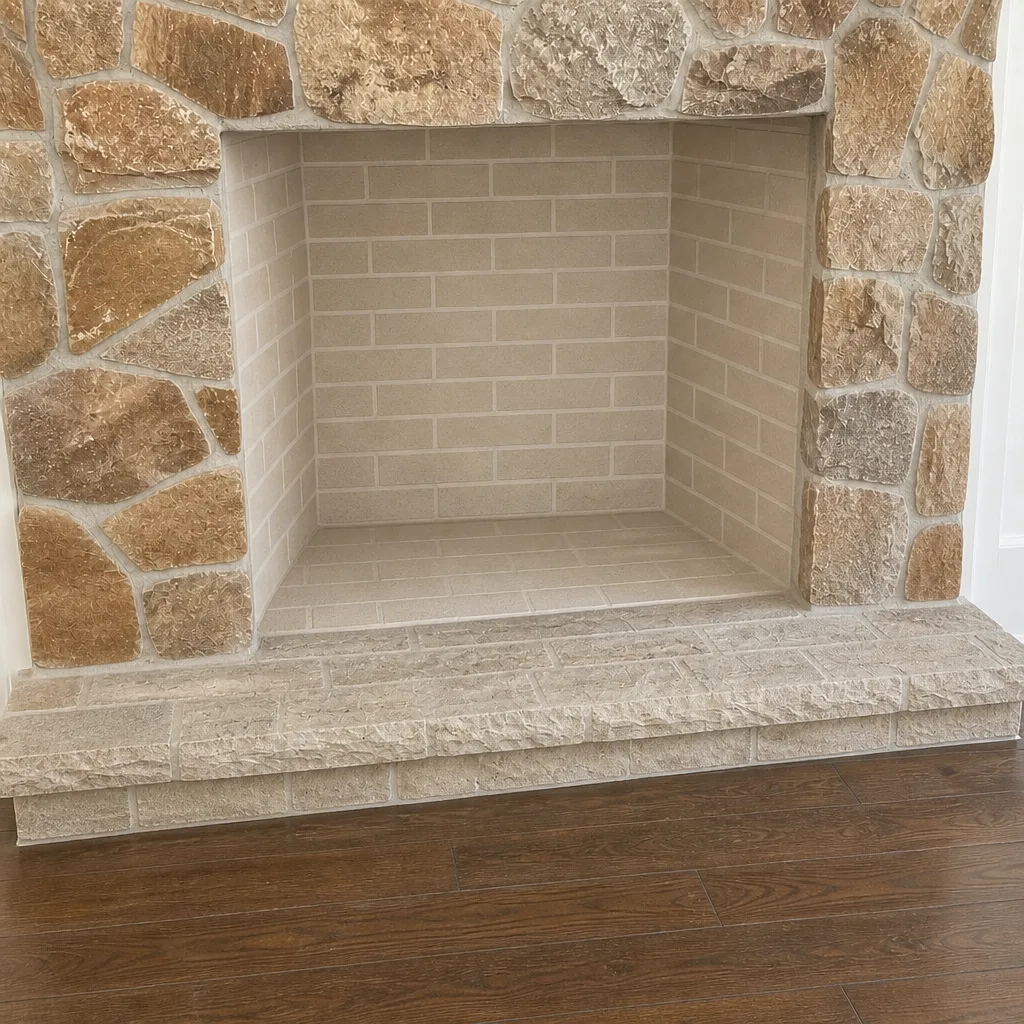 After
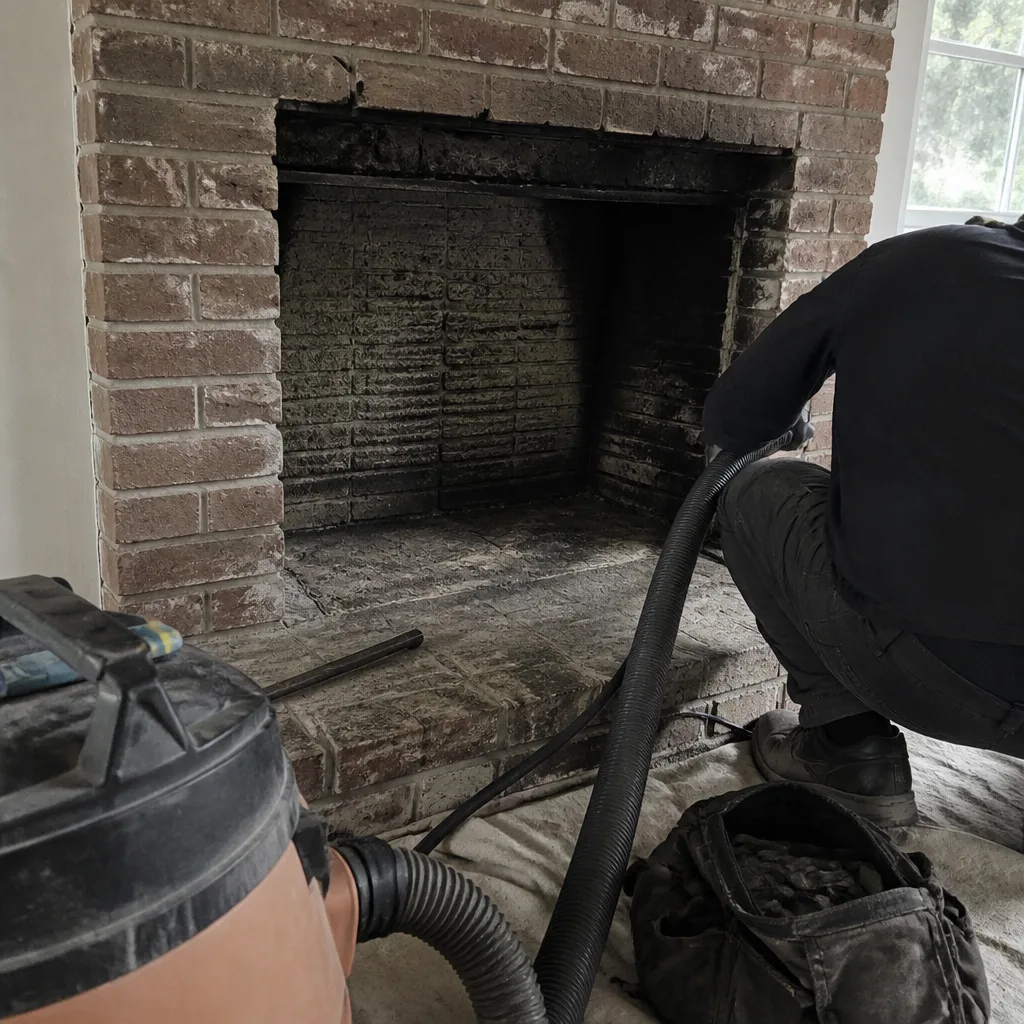 Before
 After
 Before
 After
When to Call a Professional
Call a professional chimney sweep in Turtle Rock when any of these apply: it’s been more than a year since the last sweep; you see one of the red flags above; you’re buying or selling a home and don’t have a condition report; you’re noticing moisture or staining at the firebox or near the chimney chase; or you’re converting from wood to gas or the reverse. Gas fireplaces have different venting and inspection needs than wood-burning fireplaces, and the annual service should reflect that.
We work with professional-grade product lines for repair work: HeatShield for flue resurfacing, DuraFlex for liner replacement, and Famco and Copperfield for caps and crowns. When a repair is needed, the components are rated for the job and installed correctly the first time. Chimney cap & crown installation is a dedicated service at Chimney Sweep Turtle Rock, not an afterthought, and we handle fireplace repair alongside the chimney structure so the full system is covered by one specialist.
Chimney Sweep Turtle Rock offers free estimates. Call (833) 408-3854. We answer 24/7. Fast dispatch from 7am to 7pm, Sunday through Friday.
Frequently Asked Questions
Once a year for most homes, regardless of how often you use the fireplace. The annual visit catches creosote buildup, dormant-season moisture, and cap damage before any of them become expensive. If you burn wood heavily through the winter, or burn unseasoned wood, ask for an inspection sooner. Call (833) 408-3854 for an exact quote on a sweep and inspection.
Yes. A sweep cleans the flue; an inspection tells you the condition of the flue, the firebox, the cap, the crown, and the exterior masonry. The inspection is where cracks and water intrusion show up. At Chimney Sweep Turtle Rock, inspection is a standalone service, so you can book a report without booking a sweep, and vice versa. Call (833) 408-3854 to book either.
Dormant fireplaces collect the same creosote and moisture but don’t get the drying cycle that active burning provides. That means dormant flues are more prone to seized dampers, loosened caps, and glazed creosote. If your fireplace sat unused for a season or more, an inspection should be the first call, not a sweep. Call (833) 408-3854 for a free estimate.
No. Everything past the damper plate is technician territory: the flue liner, smoke chamber, and cap all require tools, training, and safe roof access. Homeowner cleaning can leave deposits in the corners of a flue, and partially cleaned creosote glazes harder next time. Leave the above-damper work to a specialist and call (833) 408-3854 to book it.
Ask to see camera footage of the flue. Any legitimate recommendation for liner repair or crown work should come with photos or video you can review. If a technician can’t show you, get another opinion. At Chimney Sweep Turtle Rock we include the camera evidence in the report, and we tell you plainly when a repair can wait. Call (833) 408-3854 for a free estimate.
They stress the exterior. High-speed dry air works at mortar joints, cap fasteners, and crown edges, and can drive tree limbs into the cap. The damage often isn’t visible until the wet season tests it, which is why we recommend an exterior check after the wind season and an interior check after the first wet fronts. Call (833) 408-3854 to schedule an inspection before the next fire season.
The Bottom Line
A chimney maintenance checklist for Turtle Rock homes isn’t a national template with the city name pasted in. It’s built around how homes here actually operate: long dormant periods, dry Santa Ana wind cycles, wet winters, and intermittent use through the cool months. The three-track checklist – monthly self-checks, seasonal inspections tied to the wind and rain cycle, and an annual professional sweep and inspection – keeps the system safe and produces the maintenance log you’ll want at sale or claim time. If you only remember one thing from this guide, remember that “we barely use it” is the condition most likely to hide a problem. Book the annual visit, keep the log, and stop using the fireplace the day a red flag turns up.
Chimney Sweep Turtle Rock covers the full chimney system: sweeping, inspection, chimney repair, fireplace repair, and cap and crown installation. We work with professional-grade lines including HeatShield, DuraFlex, Famco, and Copperfield. Call (833) 408-3854 for a free estimate. We answer 24/7. Fast dispatch from 7am to 7pm, Sunday through Friday.
Written by the team at Chimney Sweep Turtle Rock.