
Last updated November 24, 2026
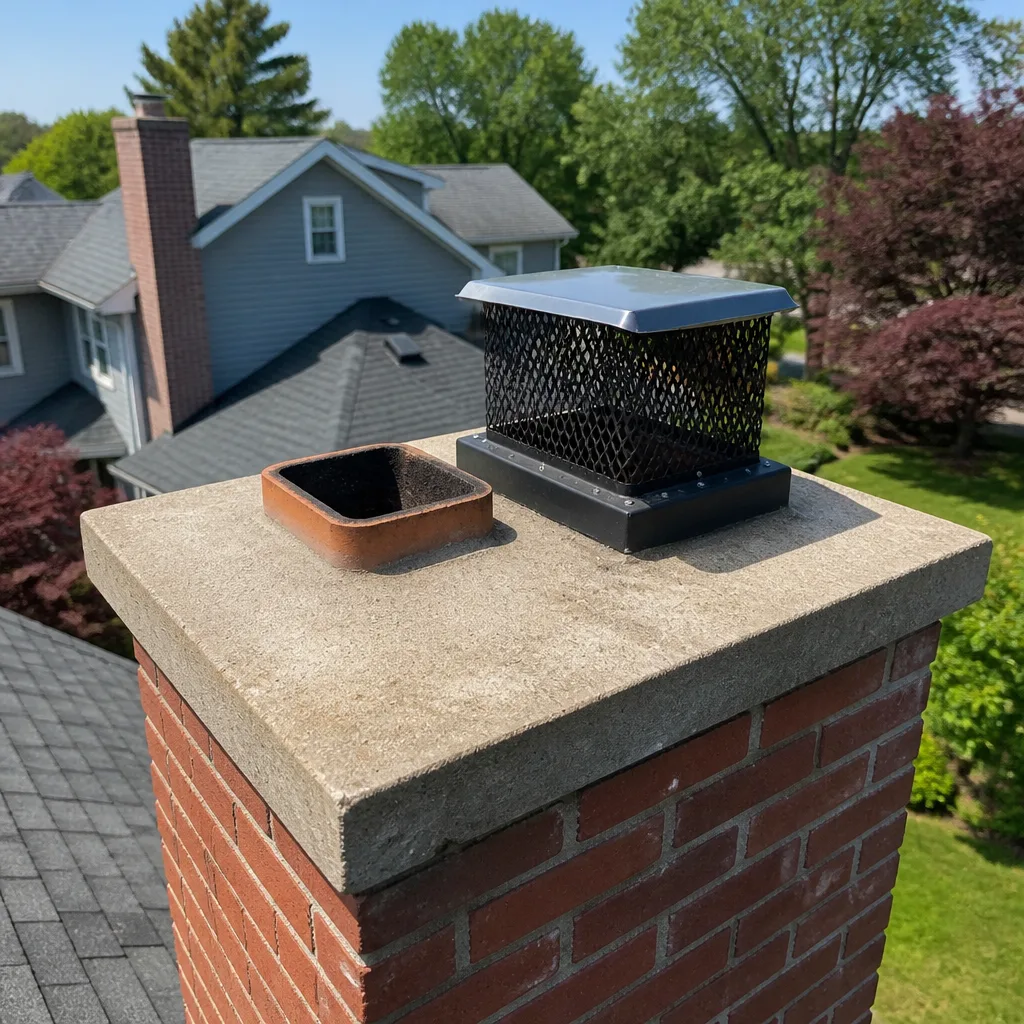 Sweep & inspection
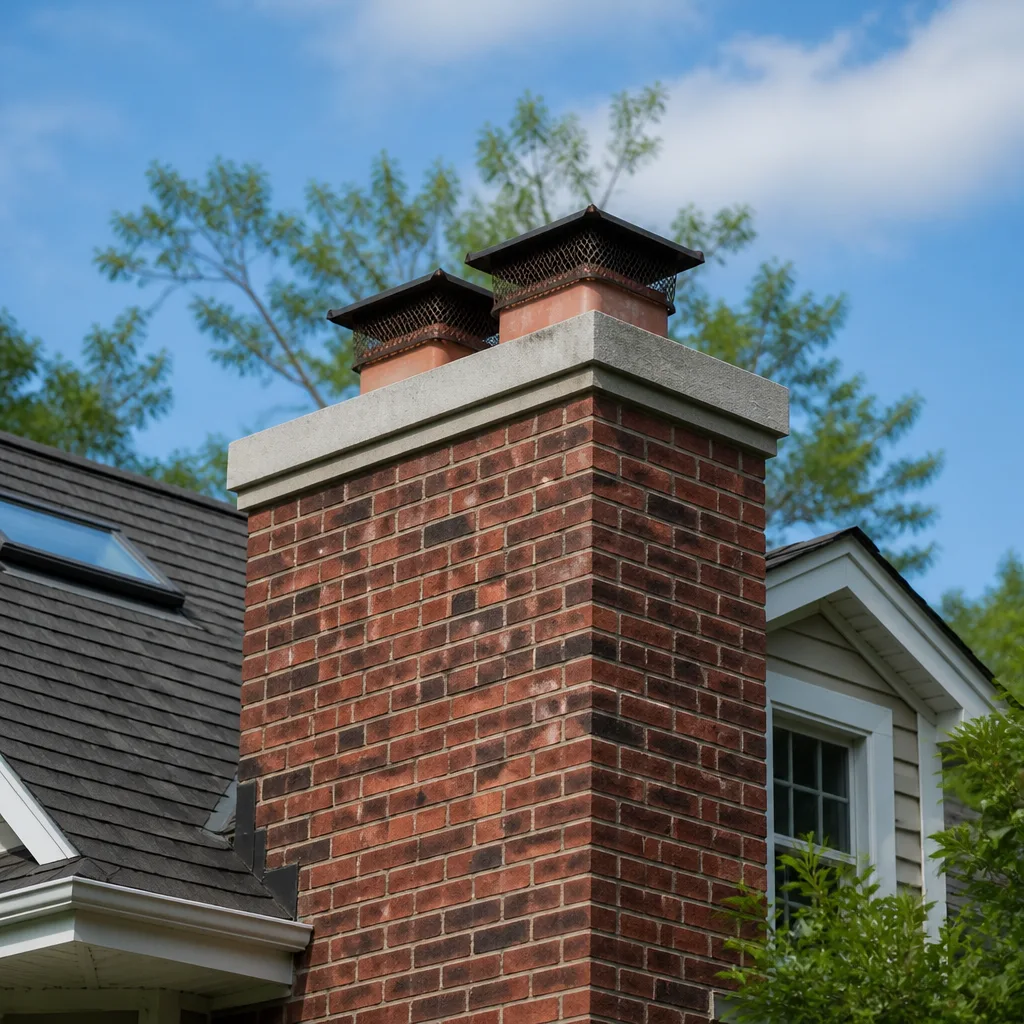 Caps & crowns
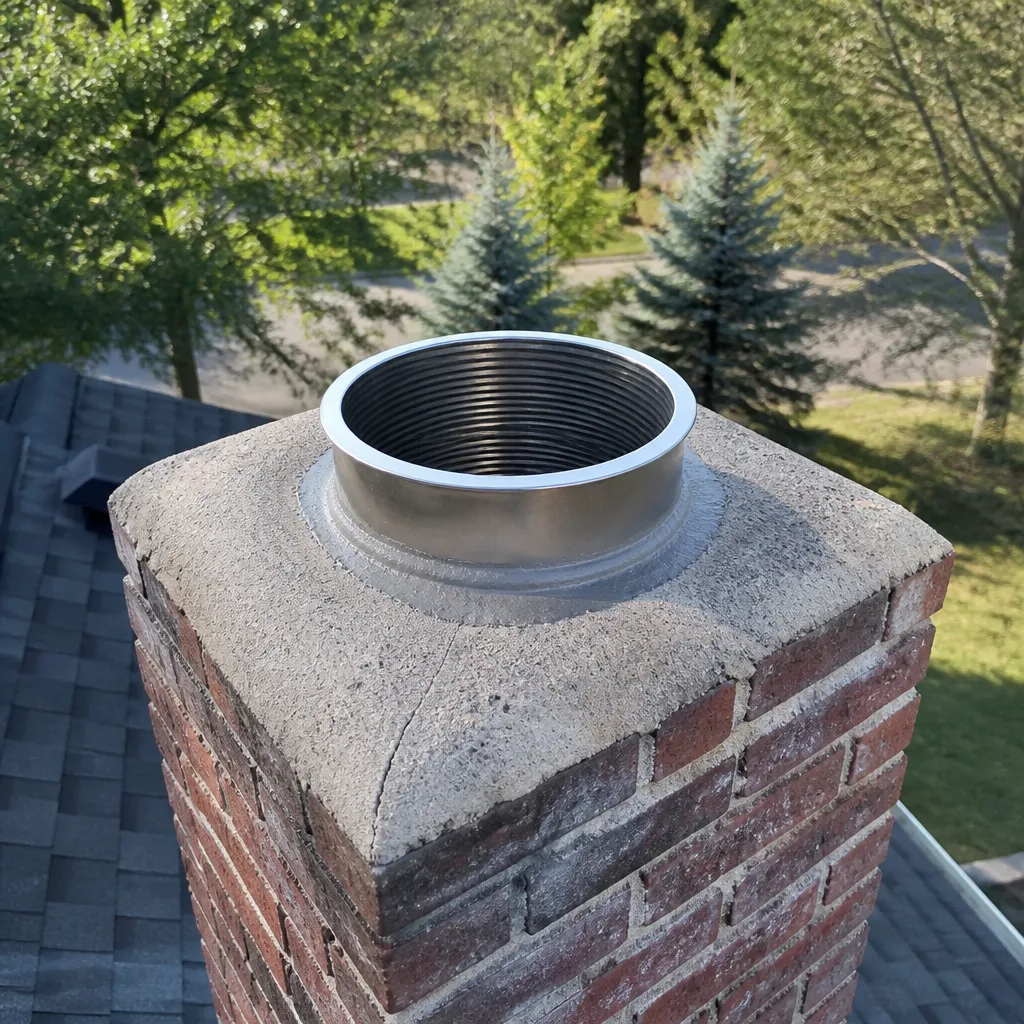 Flue relining
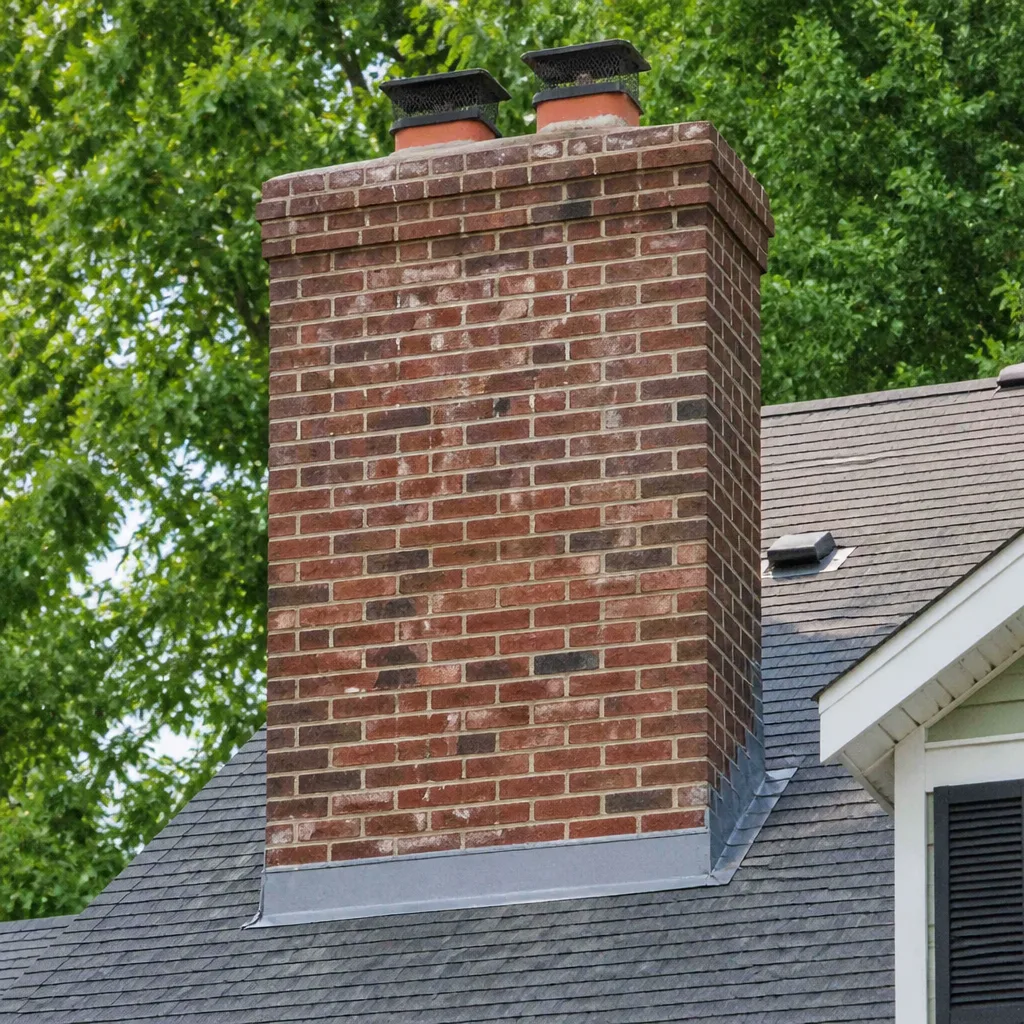 Masonry repair
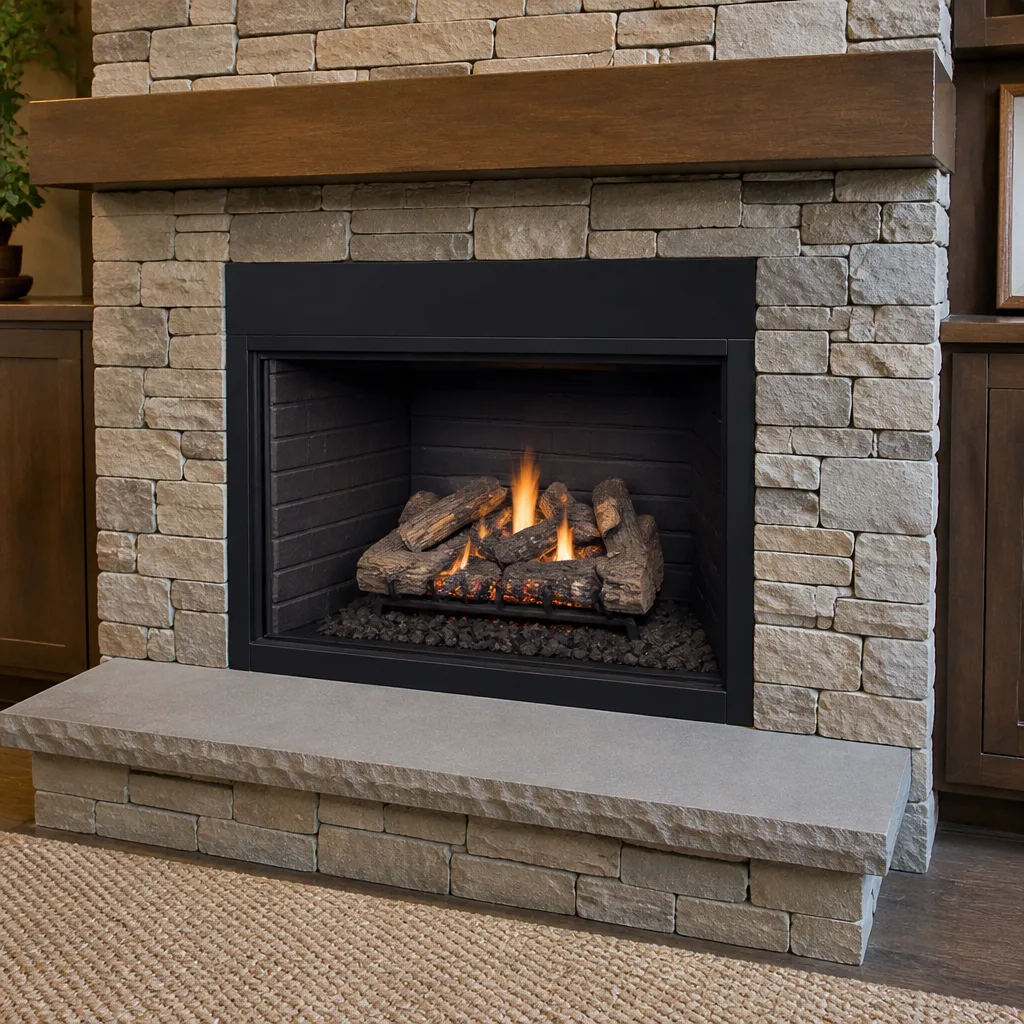 Gas fireplace service
Level 1 sweep and inspection to the NFPA 211 annual standard - flue, crown, cap, and flashing checked and photographed
Chimney sweep logs do not sweep chimneys. They loosen some creosote - which then falls where a brush and vacuum still have to collect it.
The Complete Guide to Chimney Cleaning in Turtle Rock
Most people think chimney cleaning is one job: someone runs a brush up the flue and leaves. In reality, it’s a layered process made up of three distinct stages, and each one carries its own stakes. A chimney can pass a quick visual check and still hide glaze creosote that ignites at 451°F, and that kind of buildup only turns up during a proper Level 2 camera inspection that budget sweeps rarely perform. This guide walks through every stage of a thorough cleaning in Turtle Rock, from what an inspection should reveal to what a real “cleaned” invoice looks like, so you know what you’re paying for before you book.
Quick Answer
A complete chimney cleaning in Turtle Rock is a three-stage process: a condition inspection, physical removal of soot and debris, and creosote classification that tells you what stage of buildup you’re dealing with. A professional cleaning ends with a written report and photo documentation, not just a puff of soot and a handshake. If the sweep leaves no record of what they found, the job isn’t finished.
Styles & brands we work with
- Sweep & inspection
- Caps & crowns
- Flue relining
- Masonry repair
- Gas fireplace service
Table of Contents
- Why Turtle Rock’s Mild Climate Creates Deceptive Chimney Risk
- The Three-Stage Cleaning Process
- Creosote Stages and What They Mean
- How Turtle Rock’s Construction Styles Affect Chimney Design
- What “Cleaned” Actually Means on a Service Invoice
- The Documentation You Should Receive After Every Cleaning
- Common Mistakes to Avoid
- When to Call a Professional
- Frequently Asked Questions
Why Turtle Rock’s Mild Climate Creates Deceptive Chimney Risk
Mild winters are supposed to be easy on a chimney. In some ways they are. But in our experience working chimneys around Turtle Rock, low-use fireplaces run into a different set of problems than chimneys that burn fires every night through a hard winter. A chimney that heats up regularly stays dry, draws well, and moves a lot of air. A chimney that sits idle through long stretches does not.
The first issue is animal activity. Idle chimneys look like shelter to birds, squirrels, and other small animals, especially during the quiet months. Nesting material near the flue is a serious hazard the moment you light a fire, and a routine sweep catches it before it becomes a problem. A cap that fits properly goes a long way toward preventing this entirely, which is one reason we treat chimney cap & crown work as a core service rather than an upsell.
The second issue is moisture. With the chimney cold most of the year, condensation and rain intrusion find their way into the flue and firebox. Damaged masonry, failing mortar joints, and a deteriorating crown all let water in. Over time that moistureworks its way deeper into the structure. In a low-use chimney, the water rarely gets the chance to bake off with a hot fire.
The third issue is deceptive buildup. Creosote forms from the smoke of every fire, but the way it accumulates in a lightly used chimney is different. The deposited creosote in a low-use flue can sit for a long time between fires, darken and harden, then land as glaze creosote after repeated heating and cooling. That harder, glazed layer is the most flammable form. A visual check from the firebox is almost useless against it.
That combination explains why so many Turtle Rock chimneys need inspection even when they feel fine. The risk doesn’t come from small amounts of use. It comes from what’s quietly happening in a chimney that isn’t taking regular fires.
The Three-Stage Cleaning Process
When a chimney cleaning is done properly, it breaks into three clearly separate stages. Understanding each one is the difference between hiring a sweep who does the full job and paying for a partial one.
Stage 1: Inspection. Every cleaning starts here, not with a brush. The inspection establishes what’s in the flue before any work begins. This is also where most cut-rate services save time by cutting corners, or skip entirely. A proper inspection looks at the firebox, the flue interior, the chimney exterior, and the crown and cap. Where access allows, camera inspection of the flue is the gold standard for spotting hidden conditions. We’ve seen flues that looked fine from below but hid cracked tiles and heavy glazing above the smoke shelf. Our technicians have up to 14 years of experience reading those signs, and we perform chimney sweep work alongside a standalone inspection service so you can get a clear condition report even without booking a sweep.
Stage 2: Debris and creosote removal. This is the stage most people picture when they think of chimney cleaning. Soot, ash, and buildup get removed from the flue and firebox. Professional tools include stiff brushes sized to the flue, rods, industrial vacuums with HEPA filtration, and drop cloths and containment to keep the interior clean. A budget sweep often brushes the flue and calls it done, leaving the smoke chamber, firebox walls, and the damper area untouched. Those are common places for buildup to collect, and they matter for airflow as much as safety.
Stage 3: Creosote classification and reporting. Once the flue is clear, the technician records what was found and at what stage. Creosote isn’t a binary problem. It’s classified in stages from light soot (stage 1) up to glazed, hardened deposits (stage 3). The classification drives the recommendation. Stage 1 clears up with a standard sweep. Stage 2 needs a more thorough brushing. Stage 3 typically calls for a specialized chemical treatment or resurfacing, not just a brush.
This is why an inspection-free sweep is only half a job. Without the classification, no one knows what they’re actually looking at. That’s also why an inspection is a standalone service with us, so you can get the condition report before committing to repair work.
Creosote Stages and What They Mean
Creosote is the tar and soot residue that sticks to the inside of a chimney flue. Its form changes depending on how hot the chimney burns and how much moisture is present. There are three recognized stages, and each calls for a different response:
- Stage 1 – soot and soft flaky deposits. The lightest form, usually thin and easy to brush away. It’s common after regular, well-aired fires. Stage 1 buildup requires a routine sweep and gets scheduled like any standard cleaning.
- Stage 2 – dark, hardened buildup. Flakes and chips that cling to the flue walls. Removing it takes more than a pass with a standard brush. Stage 2 buildup is where general sweeps start to fall short, because getting it off cleanly requires proper tools and time.
- Stage 3 – glazed creosote. A hard, shiny, tar-like layer fused to the flue. This is the stage that ignites at around 451°F. It’s the reason a chimney fire is possible even in a chimney that was “cleaned” recently by someone who only dealt with the easy soot below.
Glazed creosote often hides where camera inspection is needed to see it. That’s a genuine safety point, not a sales tack: a chimney fire that starts in a glazed flue can damage the flue liner fast, which turns a cleaning job into a rebuild. If you have a heavy glaze problem, brushing alone won’t fix it. It takes a specialized approach. That’s part of why we use the HeatShield resurfacing system, a method for repairing and sealing deteriorating flue tiles that most sweep-only operations can’t offer.
For a homeowner, the practical takeaway is simple: ask what stage the buildup is in and ask for it in writing. Any responsible sweep will know this and be glad to share it.
How Turtle Rock’s Construction Styles Affect Chimney Design
Turtle Rock’s housing stock reflects the character of the area. Spanish tile roofs and stucco walls are common, and both affect how a chimney is built and how it needs to be serviced. A sweep who doesn’t understand the wall and roof build has no business on your chimney.
Here’s what matters in practice:
- Masonry chimneys behind stucco. Many area chimneys are masonry construction with a stucco exterior. The stucco is a finish over the brick structure. When cracks appear, water gets behind the stucco and into the brick, and the damage runs deep before it’s visible on the surface. A sweep checking the exterior needs to look at the condition of the stucco and the crown junction, not just the flue.
- Roof penetrations. A chimney passes through the roof, and the flashing around that penetration is a common leak point on tile roofs. Tile and mortar don’t seal like shingles, so the flashing detail has to be right. A proper inspection looks at this junction, because water intrusion at the roof line shows up as interior moisture problems that get blamed on the chimney.
- Crown condition. The cement crown is the top surface of the chimney that sheds water away from the flue. On masonry chimneys, a cracked or failing crown is one of the most common sources of water damage. Replacing a failing crown with a proper, well-sloped pour is more than cosmetic maintenance. It’s part of protecting the whole structure. We install crowns built for the job with components from lines we trust, including Copperfield and Olympia Chimney.
- Flue liners. Many older masonry chimneys are fitted with clay flue tiles that crack over time. A sweep who doesn’t check the liner condition is skipping a big part of the inspection. A cracked liner is a fire and carbon monoxide risk, and it’s fixable.
These are the places where the details of local construction and roofing make the difference between a routine cleaning and a job that protects the whole structure. Knowing they exist is a good way to tell a general handyman apart from a chimney specialist.
What “Cleaned” Actually Means on a Service Invoice
A line that says “chimney cleaned” on an invoice is almost meaningless on its own. What matters is what was actually done and what was found. Two services can print the same line and deliver entirely different work.
On a professional standard invoice, a complete cleaning is documented with:
- The stage or condition of buildup found, described in creosote terms
- The extent of the sweep (flue, smoke chamber, firebox, damper)
- The condition of the flue liner and any visible cracking
- The condition of the crown, cap, and flashing
- Photos showing the flue interior where inspection cameras were used
- Whether the chimney is safe to use as-is or needs follow-up work
If the invoice only says “swept and cleaned,” ask what was found and request the photos. That request shouldn’t make a reputable sweep defensive. It’s a fair expectation that the person who did the work can show you what they saw.
There’s a bigger point here for Turtle Rock homeowners. When the cleaning is done and there’s a genuine finding, a good sweep tells you plainly whether the work can safely wait or whether it shouldn’t. Some liner cracks are serious and need attention. Some light buildup can safely wait for next season. We try to be honest about which is which, because telling a homeowner to spend thousands on work they can’t verify is exactly how this trade loses trust. If we recommend a repair, it comes with camera evidence you can see for yourself, and a plainspoken explanation of why.
The Documentation You Should Receive After Every Cleaning
Documentation isn’t paperwork for its own sake. It’s the record of the condition of your chimney at a specific point in time. That record matters in two practical situations: when you sell your home, and when you file a homeowners insurance claim.
For a resale, a buyer’s inspector or their insurance company may ask for a recent chimney cleaning and inspection report. Having a documented history of maintenance helps. If you have a written record of the flue condition and when it was last cleaned, that’s evidence the chimney has been cared for. A homeowner who can’t produce anything leaves questions unanswered.
For insurance and property records, a written report showing the flue condition and any known issues protects you. If a chimney fire or water damage claim ever comes up, having a report on file is useful. It shows the condition at the time and what work was recommended or performed.
What you should expect to receive:
- An inspection report describing the flue, firebox, liner, crown, and cap condition.
- Photos of the flue interior, especially if any cracking or heavy buildup was found.
- An explanation of any findings, with notes on which are urgent and which can wait.
- An estimate for recommended work, clearly separated from the cleaning you already had done.
Keep all of it. A thin folder of chimney records going back several cleanings is worth more than you’d expect. When we do an inspection, we report what we see whether the work is booked with us or not, because the record belongs to you.
Common Mistakes to Avoid
Here are the mistakes we see most often in Turtle Rock, and why each one matters:
- Hiring a sweep who skips the inspection. A brush up the flue with no condition report is a partial service. You paid for cleaning and got no information about what’s actually going on in the chimney.
- Assuming a low-use chimney doesn’t need cleaning. In a mild climate, low use is exactly when animal nesting and moisture problems build up unnoticed. Every chimney needs periodic inspection regardless of how often it burns.
- Ignoring glazed creosote because the last sweep looked fine. Glaze hides where a visual check can’t reach. Without camera inspection above the smoke shelf, a serious buildup can go undetected.
- Waiting for an obvious problem before calling anyone. By the time you can see smoke damage on the exterior or a crack inside, the problem has usually been developing for a while. An inspection catches it earlier and at less cost.
- Letting a general handyman handle chimney work. Chimney servicing involves the flue, the masonry, the crown, and the roof line. It’s specific work. A general contractor with a brush is not the same as a specialist who knows flue liners, cap and crown installation, and the specialized resurfacing materials that most sweep-only companies don’t carry.
- Not asking what was actually done. If the invoice doesn’t tell you what was swept and what was found, ask. It’s your home and your chimney.
- Skipping the crown and cap. These are the two most common sources of water damage, and both are easy to defer. They’re a core part of what we do because they protect everything below them.
When to Call a Professional
Some chimney problems announce themselves. A strong smell of smoke in the room when the fireplace isn’t lit, visible cracking on the exterior, or a flue that doesn’t draw are all reasons to call. Other problems are quieter. A low-use Turtle Rock chimney can carry a developing liner problem or a hidden glaze buildup with no obvious symptoms at all, which is exactly the scenario a routine inspection is designed to catch.
Call a specialist if:
- You have not had the chimney inspected in the last year or two, regardless of use.
- You notice a smoky smell in the room when the fireplace is off.
- You can see cracks, spalling, or loosened masonry on the chimney exterior.
- The crown looks cracked or the cap is missing or damaged.
- You have a wood-burning fireplace and can’t remember the last time it was swept.
- There’s any sign of water damage around the firebox or chimney.
Chimney Sweep Turtle Rock offers free estimates in Turtle Rock. If you’re not sure whether your chimney needs work, an inspection gives you a straight answer with the photos to back it up. Call (833) 408-3854. We answer 24/7, with fast dispatch from 7am to 7pm, Sunday through Friday.
Frequently Asked Questions
A standard chimney cleaning is priced per job by a written estimate, so the exact figure depends on your chimney’s condition, flue size, and whether an inspection turned up anything else. We don’t quote a blank figure before we’ve looked at the chimney. Call (833) 408-3854 for a free estimate.
Most chimneys should be inspected at least once a year and swept when the inspection shows enough buildup to warrant it. In Turtle Rock’s mild climate, low fireplace use doesn’t mean a chimney can go unchecked, because animal nesting and moisture issues build up even when the chimney sits idle.
Camera inspection is the most reliable way to see glazed creosote, cracked flue tiles, and hidden damage above the smoke shelf. If a sweep only looks from the firebox, they miss the upper flue entirely. If you want to know what’s really happening inside your chimney, a camera inspection is worth asking for.
Skipping cleaning lets creosote build to heavier stages over time, and glazed creosote can ignite and start a chimney fire. Moisture and animal nesting problems also go unaddressed. The risk is not immediate in every case, but it grows quietly and catches up eventually. Call (833) 408-3854 to get a clear condition report.
No. Cleaning removes soot and creosote, but a cracked or deteriorated liner needs repair, usually with a resurfacing system or a new liner. We use the HeatShield resurfacing system for deteriorating flue tiles, and we can walk you through what a repair involves. Call (833) 408-3854 if you want a specific evaluation.
A sweep removes buildup; an inspection evaluates the condition of the entire chimney. We offer inspection as a standalone service, so you can get a condition report before committing to a cleaning or repair. For more on the full range of chimney work, see Chimney Sweep Turtle Rock for the core services overview.
Yes, because a failing crown or missing cap lets water into the chimney and into the structure, which creates problems a cleaning can’t solve. Checking both is part of a proper inspection. If either is damaged, fixing it protects everything below, and fireplace repair work is often needed once water has reached the firebox.
The Bottom Line
Chimney cleaning is a three-stage process, not a single act. It starts with inspection, moves through debris and creosote removal, and ends with a classified condition report that tells you what stage of buildup you’re dealing with and whether it’s safe to burn. In Turtle Rock’s mild climate, low fireplace use is the very reason to stay current, because quiet problems build up fastest in a chimney that doesn’t see regular fires. The documentation you leave with matters too, both for resale and for insurance. If a sweep can’t show you what they found, they haven’t finished the job. Call (833) 408-3854 for a free estimate and a clear look at your chimney’s condition.
Written by the team at Chimney Sweep Turtle Rock.
See the difference
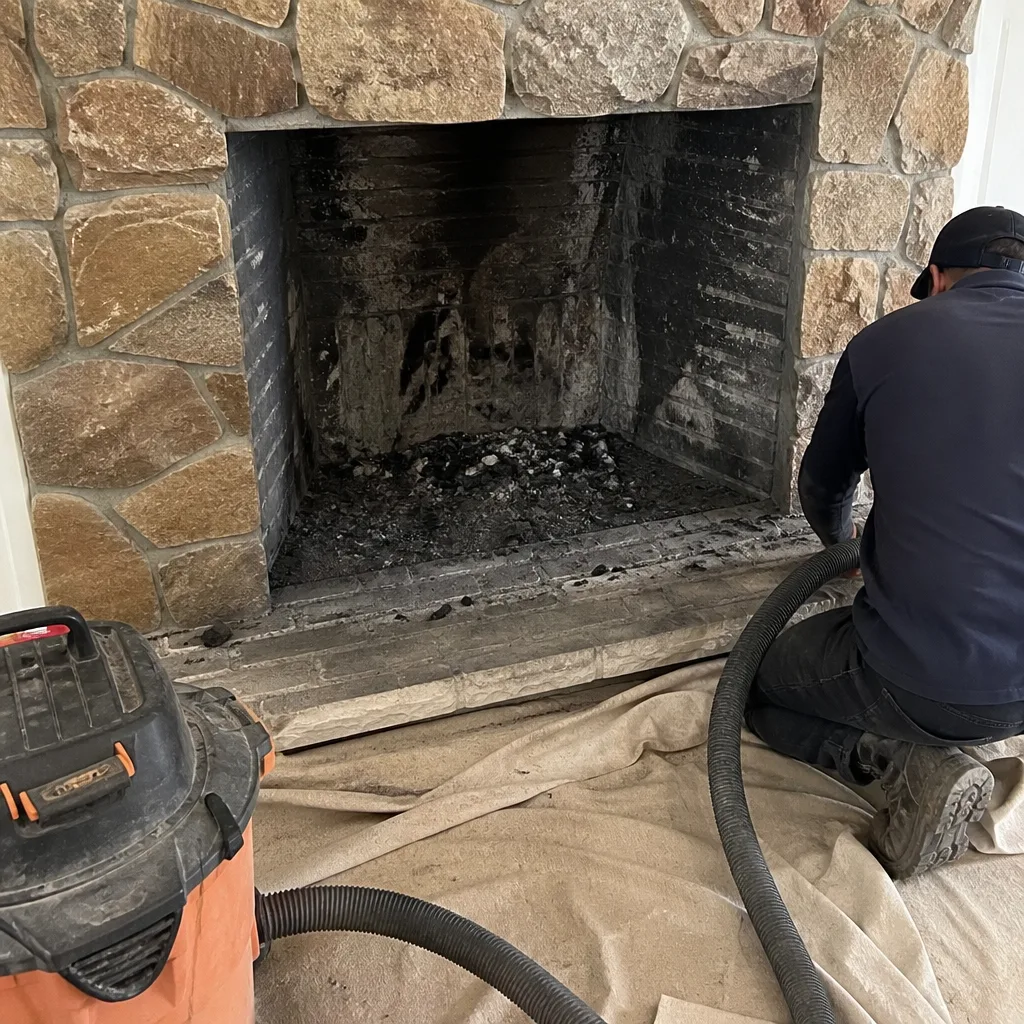 Before
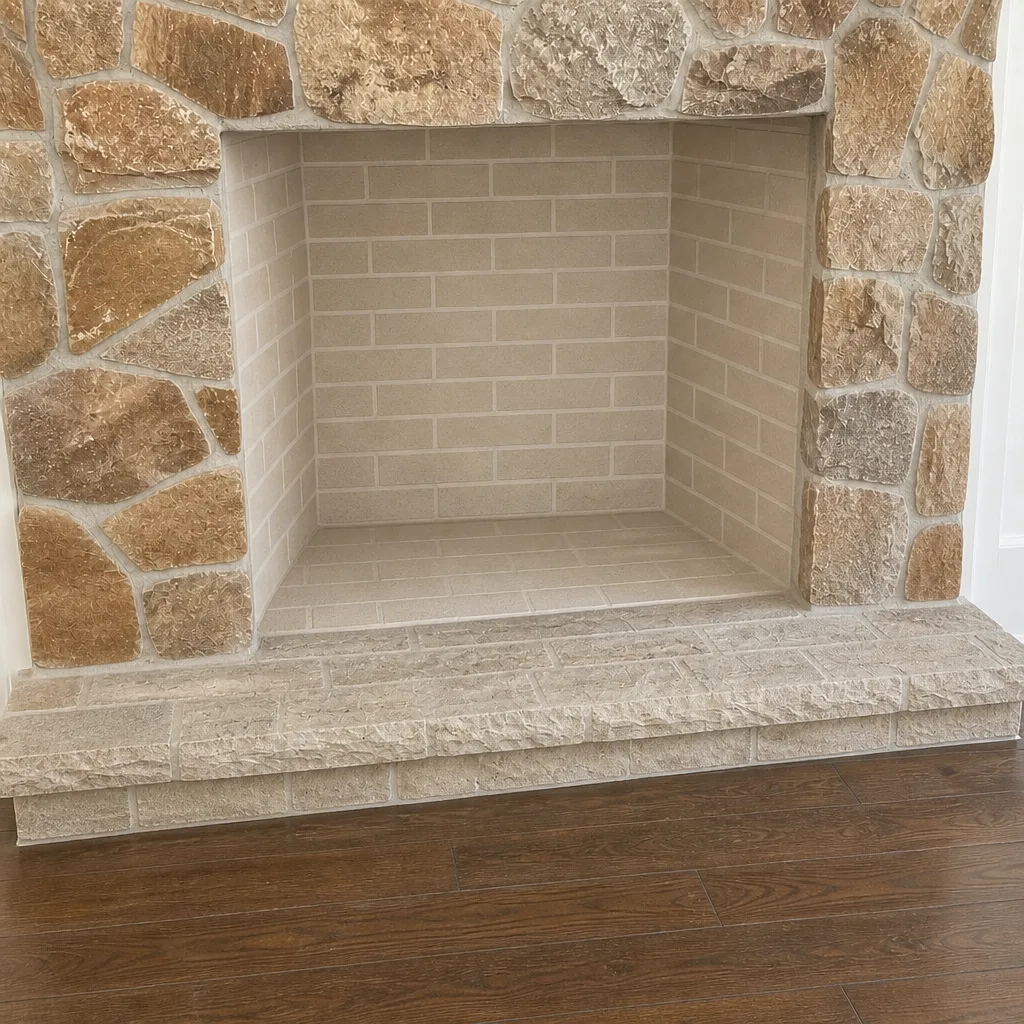 After
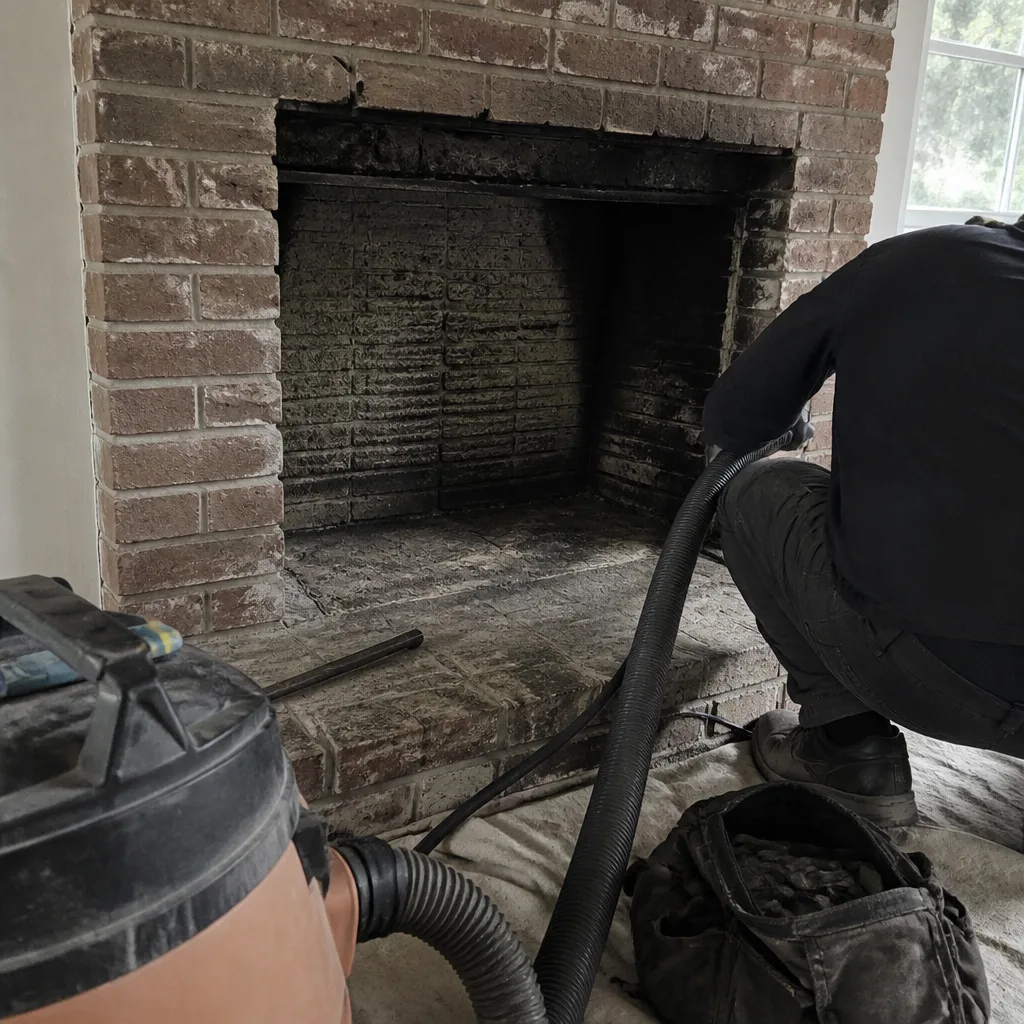 Before
 After
 Before
 After