
Last updated November 24, 2026
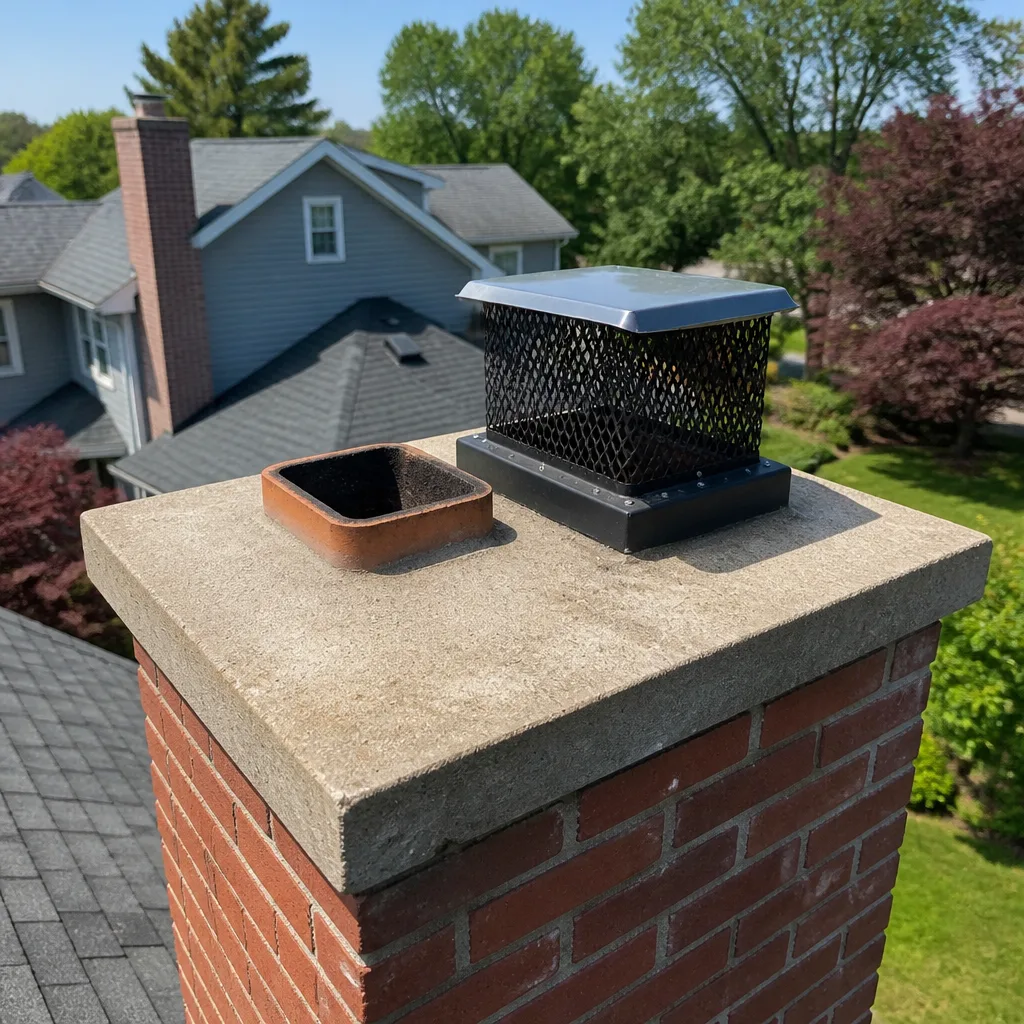 Sweep & inspection
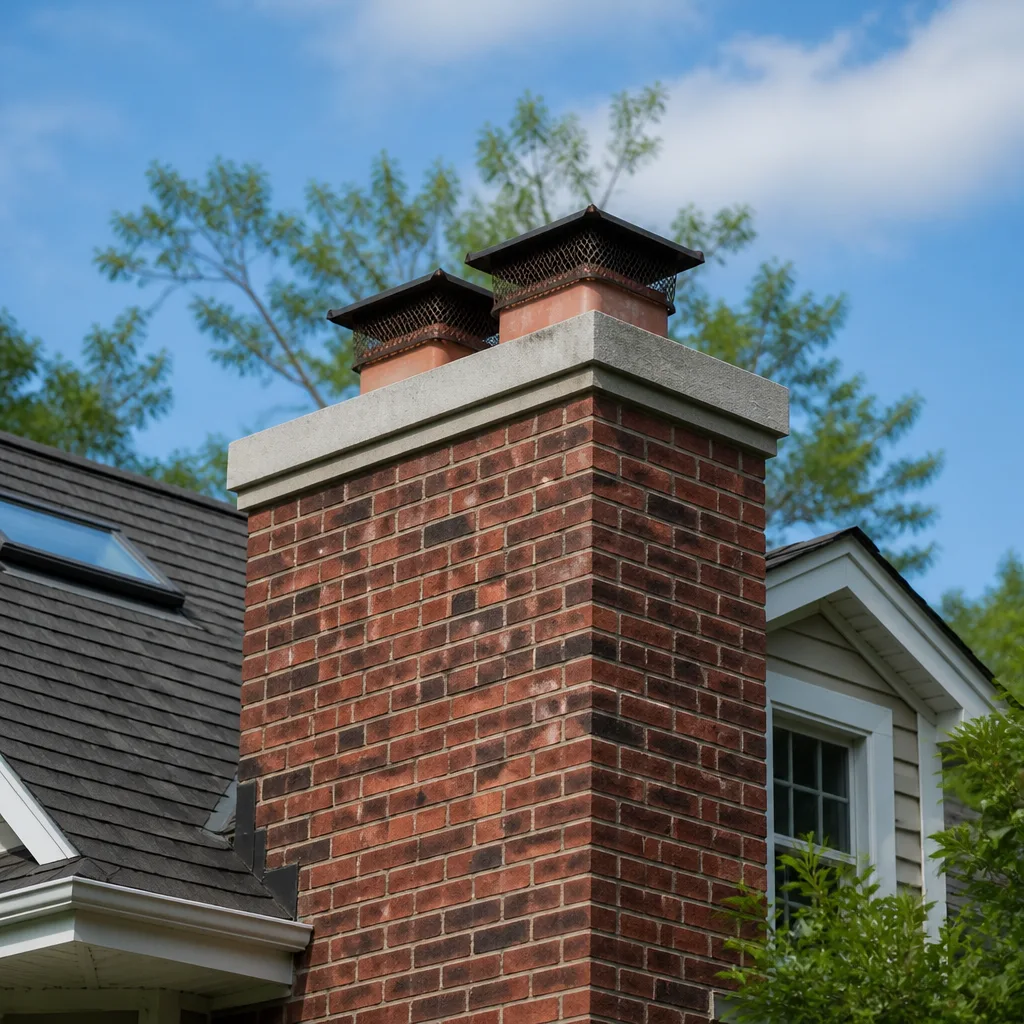 Caps & crowns
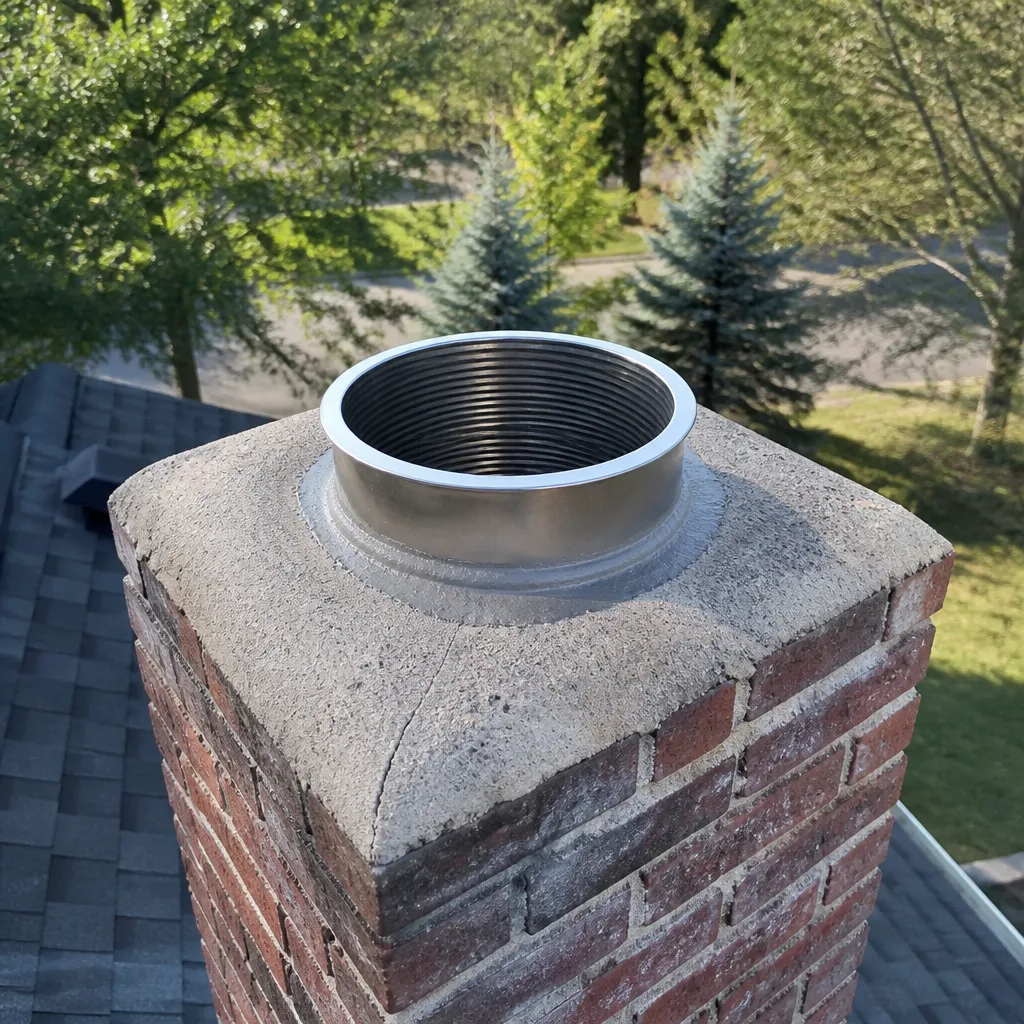 Flue relining
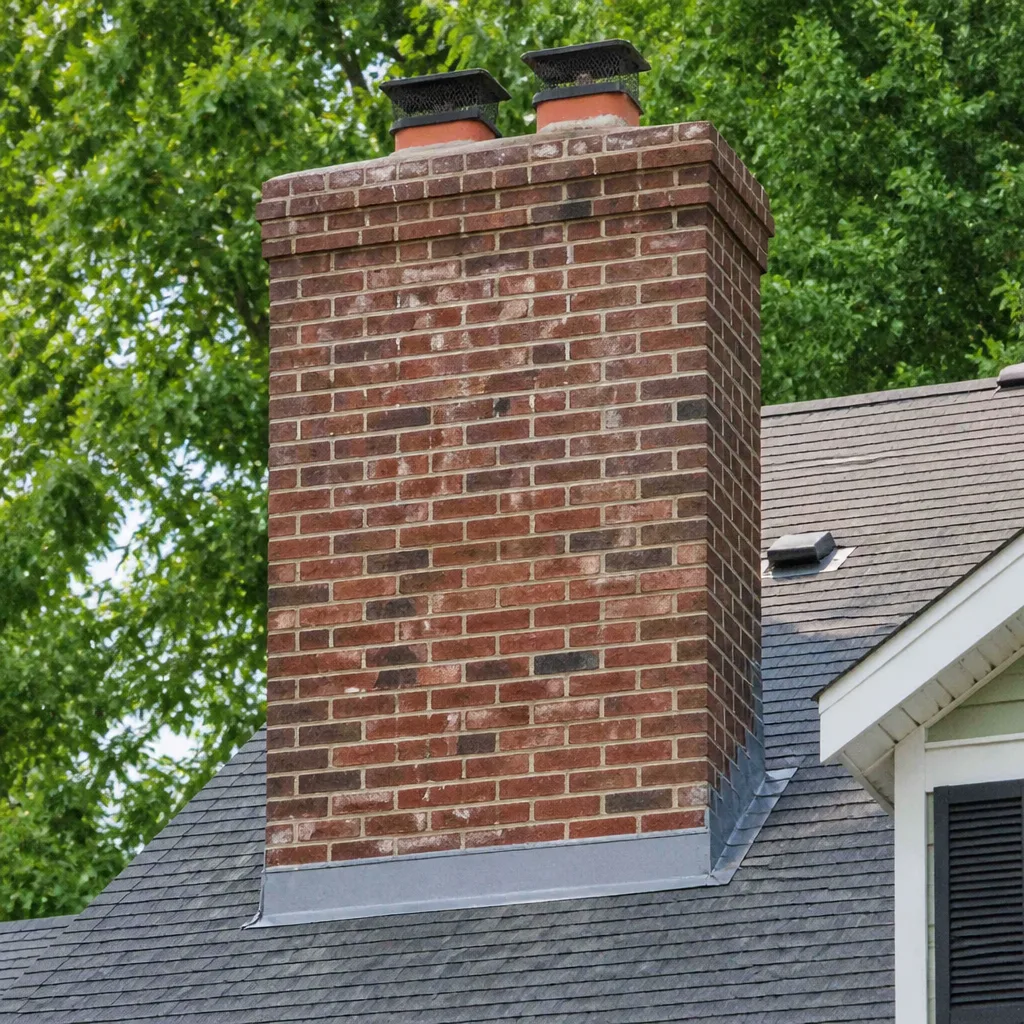 Masonry repair
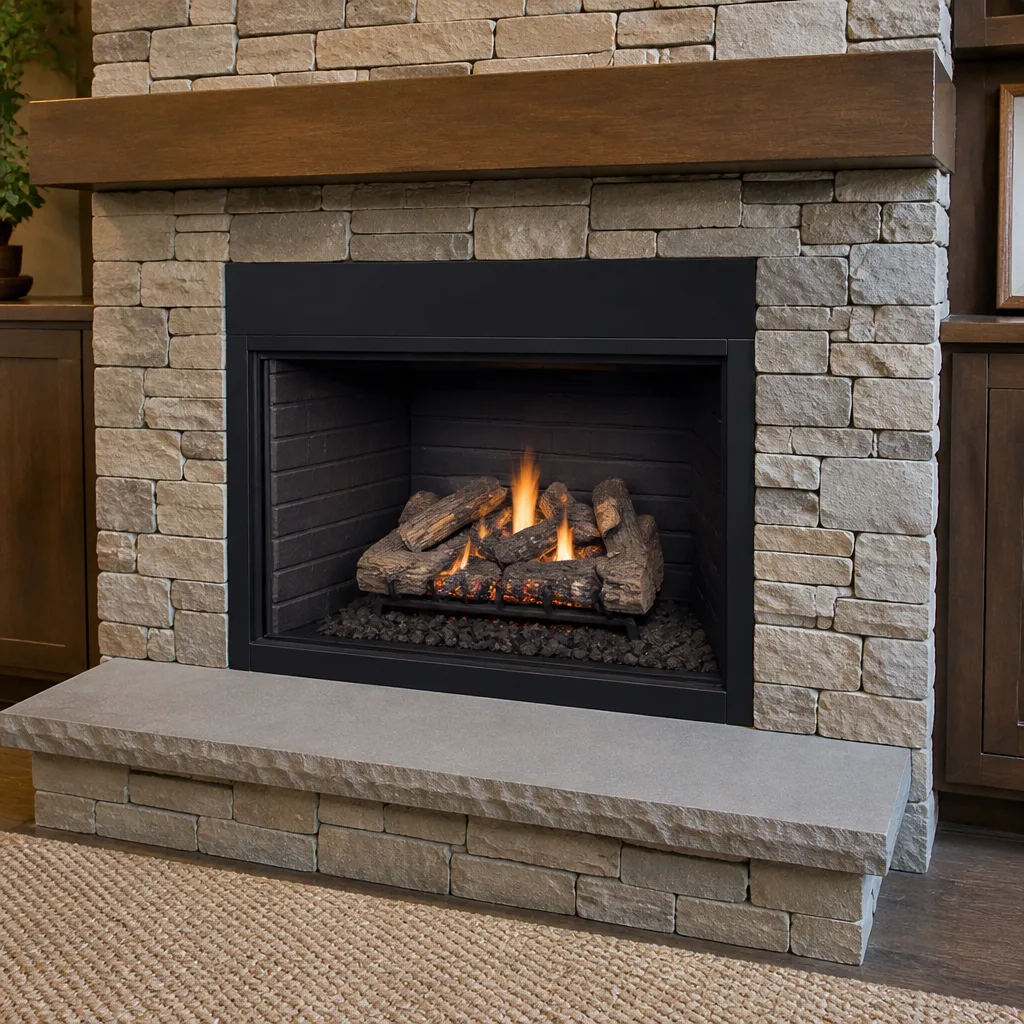 Gas fireplace service
Level 1 sweep and inspection to the NFPA 211 annual standard - flue, crown, cap, and flashing checked and photographed
Chimney sweep logs do not sweep chimneys. They loosen some creosote - which then falls where a brush and vacuum still have to collect it.
How to Hire a Chimney Cleaning Contractor in Turtle Rock: A Step-by-Step Guide
There is no license required in California specifically to sweep chimneys, which means the person showing up at your door could have passed a weekend course or spent 20 years in the trade, and the invoice looks identical either way. That’s the part most homeowners never think about until something goes wrong. The real screening happens before anyone books a visit, and it comes down to a handful of questions and one very careful reading of the quote. This guide walks you through certification, the questions that separate a true chimney specialist from a generalist, how to read a quote line by line, and what proper documentation should look like after the work is done. By the end, you’ll know exactly how to hire a chimney cleaning contractor in Turtle Rock without guessing.
Quick Answer
Hire a chimney cleaning contractor in Turtle Rock by confirming CSIA certification first, then asking whether they scope the flue with a camera, what a Level 1 versus Level 2 inspection includes, and whether they stock professional-grade components like DuraFlex or HeatShield for repairs. Get an itemized written quote and a photo report after the sweep. If any of those pieces are missing, keep looking.
Styles & brands we work with
- Sweep & inspection
- Caps & crowns
- Flue relining
- Masonry repair
- Gas fireplace service
Table of Contents
- Why There’s No License Requirement, and What to Check Instead
- What CSIA Certification Actually Means
- The Five Questions to Ask Before Booking
- How to Read a Chimney Service Quote Line by Line
- Why the Lowest Bid Usually Skips the Camera
- What Legitimate Post-Service Documentation Looks Like
- Specialist vs. Generalist: Telling Them Apart
- When to Call a Professional
Why There’s No License Requirement, and What to Check Instead
California doesn’t issue a chimney sweep license. There’s no state exam, no registry, no credential a homeowner can look up to confirm the person at the door knows what they’re doing. That’s not a loophole; it’s simply how the trade is structured here. It means the burden of vetting falls on you, and it means “licensed and insured” on a business card tells you almost nothing about chimney competence.
What you can verify is voluntary certification. The Chimney Safety Institute of America (CSIA) certifies sweeps through a proctored exam and requires continuing education to stay certified. That certification is the closest thing to a standardized bar the trade has. A contractor who carries it has demonstrated knowledge of venting, combustion, creosote behavior, and inspection standards. A contractor who doesn’t may still be competent, but you have no independent way to know.
Ask for three things before anyone books a visit:
- CSIA certification status. Ask for the certification number and check it. The CSIA keeps a searchable directory of certified sweeps.
- Liability insurance. Chimney work happens on roofs and inside finished living spaces. If a ladder goes through a skylight or a brush damages a flue, you want coverage that responds.
- Worker’s compensation. If a technician is injured on your property and the contractor doesn’t carry it, you could be exposed. Ask directly.
None of this guarantees good work, but it narrows the field fast. In our experience across Turtle Rock, the contractors who answer these questions without hesitation are the ones who take the trade seriously. The ones who get defensive or vague usually have a reason.
One more thing worth knowing: chimney sweeping is an unglamorous trade, and a lot of people enter it sideways. HVAC companies add it as a seasonal add-on. Handyman services offer it because customers ask. Roofing companies tack it onto other work. None of that makes them incompetent, but it does mean their chimney knowledge may be shallow. That’s the generalist problem this guide keeps coming back to.
What CSIA Certification Actually Means
CSIA certification is the minimum bar, not a bonus credential. It’s the difference between a contractor who has formally studied chimney science and one who learned on the job, or halfway, or not at all. That distinction matters because a chimney is a system, not a tube. Combustion, draft, flue sizing, creosote formation, and venting all interact, and a sweep who doesn’t understand the system can miss problems that a trained eye would catch immediately.
To earn certification, a sweep passes a proctored exam covering:
- The science of combustion and how different fuels behave
- Creosote formation, stages, and removal methods
- Venting systems and proper flue sizing
- Codes and standards relevant to chimney construction and maintenance
- Inspection procedures at each of the three inspection levels
- Safety practices for roof and interior work
Certification also requires ongoing education to maintain. That matters because codes and best practices shift over time. A sweep certified a decade ago and never followed up on continuing education may be working from outdated assumptions about venting and clearances.
What CSIA certification does not guarantee: that the contractor carries liability insurance, that they scope the flue with a camera, or that they document their work. Certification is the entry ticket. The rest is on you to verify, which is why the five questions in the next section exist.
We mention certification first because it’s the single fastest filter. In Turtle Rock, as anywhere, the field of “chimney services” is wide, and narrowing it to CSIA-certified contractors cuts out most of the noise before you’ve made a single call.
The Five Questions to Ask Before Booking
These five questions separate a true chimney specialist from a generalist. Ask them on the phone before you book. The answers reveal more than any website copy will.
- “Are you CSIA certified, and what’s your certification number?” A certified contractor will have the number ready. A generalist will often say they “follow CSIA standards” without being certified. Standards-following is not the same as certification.
- “Do you scope the flue with a camera, and is that included in the sweep or separate?” A camera scope finds cracked flue tiles, gaps at joints, and offsets that a visual look from the firebox can’t see. If scoping isn’t offered or costs extra, ask why. A sweep-only company may not own a camera.
- “What inspection level will this be, and what’s included at that level?” There are three inspection levels in the trade: Level 1 (visual, for routine maintenance), Level 2 (includes camera scope, required when the appliance or fuel changes or after a chimney fire), and Level 3 (diagnostic, may involve opening walls). A quote should say which level you’re getting.
- “Do you stock professional-grade components for repairs, or do you source them after the fact?” A contractor who works with DuraFlex, Olympia Chimney, HeatShield, or Gelco as part of their regular practice is set up for repair work, not just sweeping. A generalist often sources components after the fact, which slows work and can mean components aren’t rated for your flue.
- “What documentation do I get after the visit?” A legitimate contractor provides a written report with photos. If the answer is “we’ll tell you what we found,” that’s a red flag. Verbal-only reports leave you with nothing to compare against in future years.
Ask these five questions and you’ll know within ten minutes whether you’re talking to a specialist or a generalist with a brush. Most of the generalists fall out on question two or question four.
How to Read a Chimney Service Quote Line by Line
A legitimate chimney quote itemizes every component of the work. A vague quote is often a symptom of a contractor who hasn’t done enough of this work to break it down, or one who wants room to change the price later. Either way, you want clarity before money changes hands.
What a good quote itemizes:
- Sweep scope: which flue(s), which appliance(s), and what method will be used
- Inspection level: Level 1 or Level 2, and whether camera scope is included
- Access and protection: how the work area will be protected and cleaned
- Repairs, if any: each repair itemized separately with the component named (for example, a HeatShield application on a specific flue, or a cap replacement)
- Documentation: what report and photos you’ll receive afterward
What vague line items signal:
- “Chimney service” as a single line item with no breakdown. This tells you nothing about what’s included.
- “Inspection included” without specifying a level. You have no way to know whether you’re getting a visual check or a camera scope.
- “Repairs as needed” with no pricing. This is where the quote can balloon after the work starts. Ask for an itemized estimate before you authorize anything.
- A price that’s dramatically lower than every other quote. If one quote is half the others, ask what it doesn’t include. It usually doesn’t include the camera scope, and it often doesn’t include a written report.
Read every quote with the same question in mind: what does this price actually cover? If you can’t answer that from the quote alone, ask the contractor to break it down. A legitimate contractor will; a vague one will resist.
One more thing: ask whether the quote is a fixed price or an estimate. A written estimate sets the final price, and it should be in writing before work begins. Verbal estimates with the understanding that “it might change” are worth nothing.
Why the Lowest Bid Usually Skips the Camera
The lowest bid in Turtle Rock almost always means a Level 1 only, no camera scope. A Level 1 inspection is visual, done from the firebox and the roof without a camera. It catches what’s visible, and it misses what’s inside the flue. Most cracked tiles, joint gaps, and offsets only show up on a camera.
Here’s how the pricing math works. A camera scope takes additional time, requires equipment a sweep-only company may not own, and produces documented findings that create more work to quote. A contractor who wants to keep the initial price low can simply skip it. The quote looks competitive on paper, and you get less information than the contractor with the higher bid.
Why this matters: flue problems don’t announce themselves. A cracked tile behind a thimble can let heat and carbon monoxide into a wall cavity without any visible sign in the firebox. The camera finds it. The visual inspection doesn’t. If you’re going to sweep the chimney anyway, the marginal cost of scoping it is small, and the information gained is significant.
When you compare quotes, compare what’s actually being included:
- A $179 quote with Level 1 only and no camera scope
- A $249 quote with Level 1 plus a camera scope and a written report
- A $329 quote with the same plus a photo report emailed after the visit
The lowest number is not always the best value. What you’re buying is information about your chimney’s condition, and the cheap quote often delivers less of it.
One general observation from working in Turtle Rock: the homes here tend to have chimneys that were built to a decent standard but have had decades of use. House age, not climate, is the variable that drives condition. An older chimney that’s been swept regularly can be in better shape than a newer one that hasn’t been scoped since it was built. The camera is what tells you which is which.
What Legitimate Post-Service Documentation Looks Like
A legitimate contractor leaves you with a written report, not a verbal summary. That report is your baseline for future years, your record if you ever sell the home, and your evidence if a repair recommendation ever needs a second opinion. Without it, you’re relying on memory and a brush’s worth of assurance.
What to expect in a proper report:
- A written condition summary describing what was found, including any issues noted and their severity
- Photos of the accessible parts of the flue and firebox, and photos from the camera scope if one was performed
- The inspection level performed, stated explicitly
- Service performed, with any components named if repairs were done
- Any recommendations, clearly separated from work performed, with a note on which are urgent and which can wait
Verbal-only reports are a liability. If a contractor tells you the flue has a cracked tile but doesn’t show you the photo, you have no way to evaluate the recommendation. If they tell you the chimney is fine but don’t document what they checked, you have no baseline for next year. Either way, you’re paying for information you can’t verify.
We handle the full chimney system, from the firebox to the crown, which means our reports cover both. When a camera scope finds something, you see the photo. When a cap or crown has failed, you see it documented alongside the flue findings. That’s how a report becomes useful rather than decorative.
Specialist vs. Generalist: Telling Them Apart
A chimney specialist handles the full chimney system as a matter of routine: sweep, inspection, cap and crown, chimney repair, fireplace repair. A generalist added sweeping to their existing business, and the other four services are either outsourced or missing.
Here’s how to tell them apart in practice:
- Ask about cap and crown work. A specialist treats cap and crown installation as a core service, because these are the two most common sources of water damage. A generalist often defers this to a roofer or misses it entirely.
- Ask about liner repair and resurfacing. A specialist who works with HeatShield can resurface deteriorating flue tiles without tearing out the chimney. Most sweep-only companies cannot offer this at all. The same goes for liner replacement with a system like DuraFlex, which is rated for the job.
- Ask about fireplace repair. Firebox cracks, damper problems, and refractory panel damage are all chimney-system issues. A specialist handles these directly. A generalist refers them out.
- Ask what happens when the inspection finds a problem. A specialist can quote the repair from the same visit. A generalist will usually say they’ll “get back to you” or hand you off to a subcontractor.
The full-lifecycle coverage matters because it changes the quality of the initial visit. A contractor who can sell a cap and crown as a routine service has an incentive to check the crown properly. A sweep-only contractor who refers cap work out has no reason to look.
In Turtle Rock, where hillside homes see plenty of wind-driven rain, cap and crown condition is not a minor detail. A crown that’s failing sends water into the chimney structure, and the damage compounds with every season. The specialist checks it. The generalist sweeps and leaves.
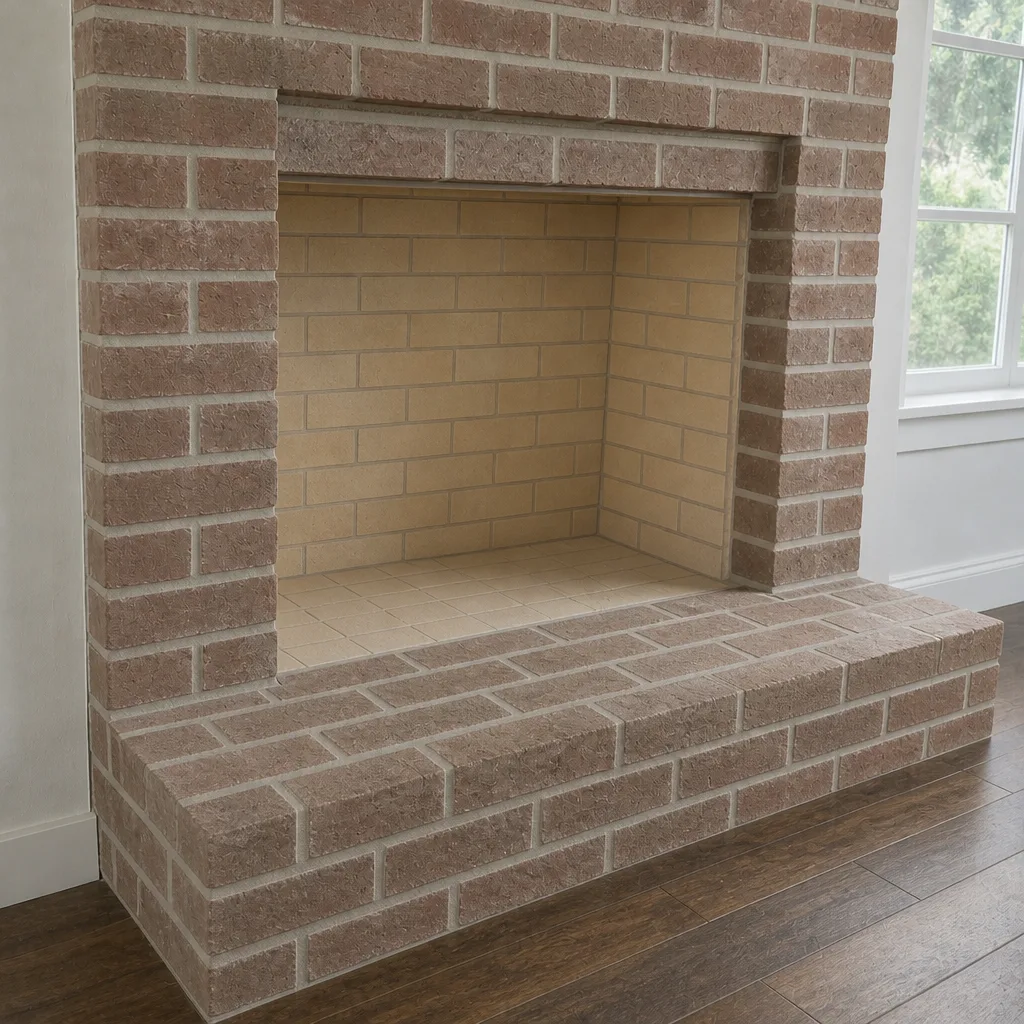
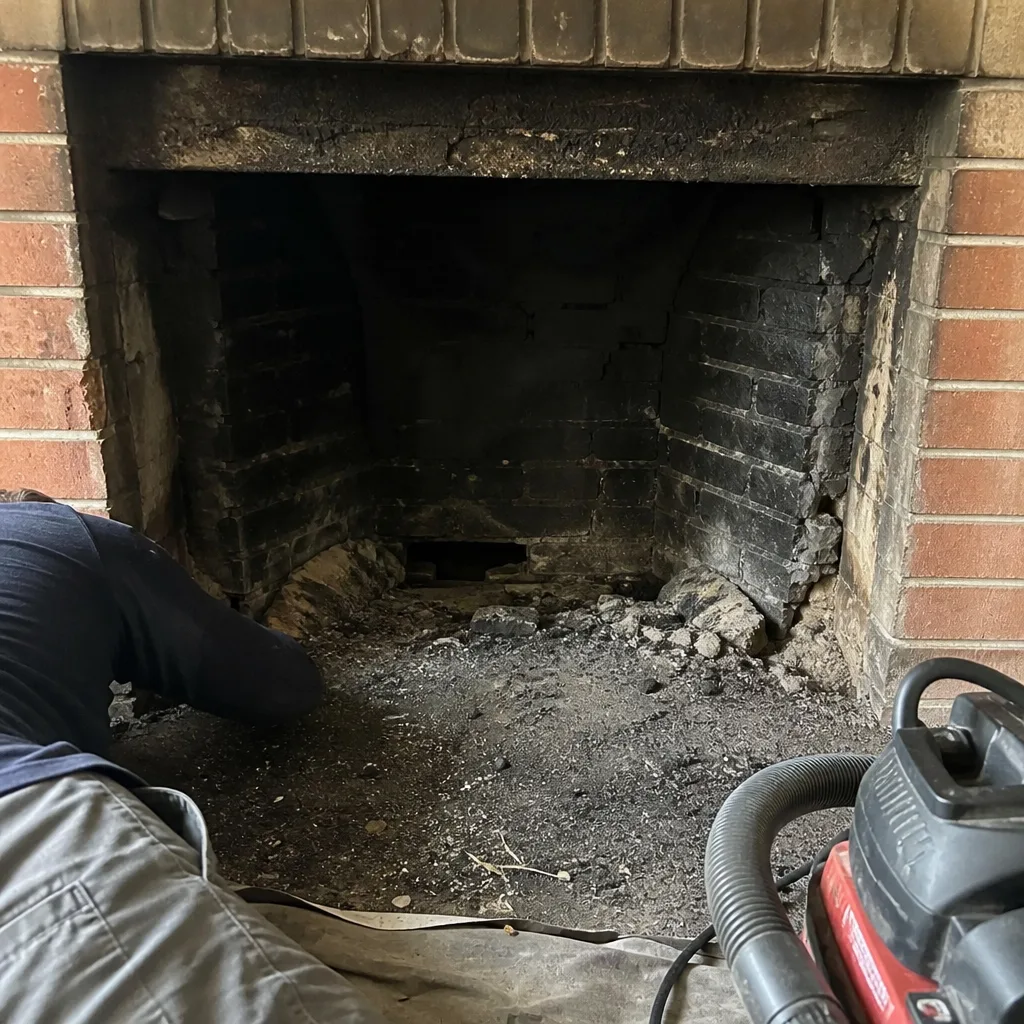
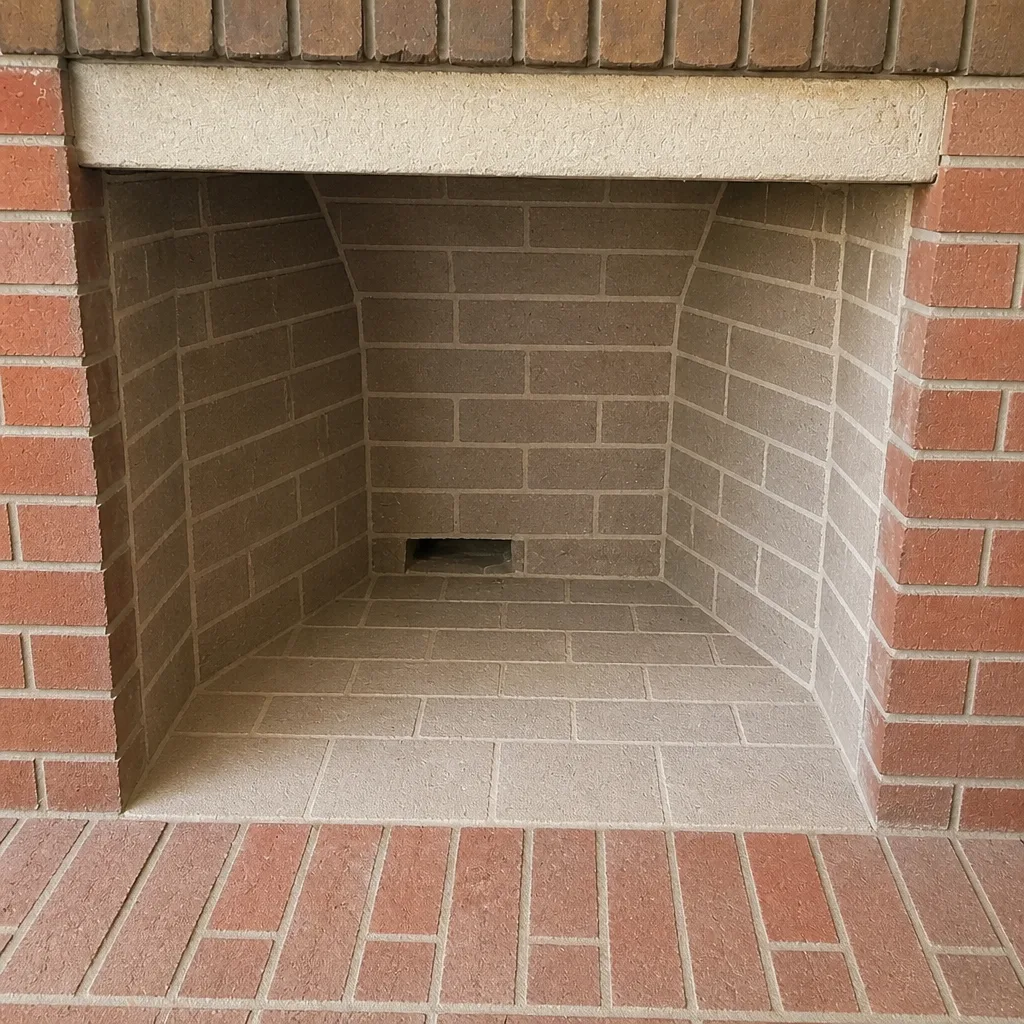
See the difference
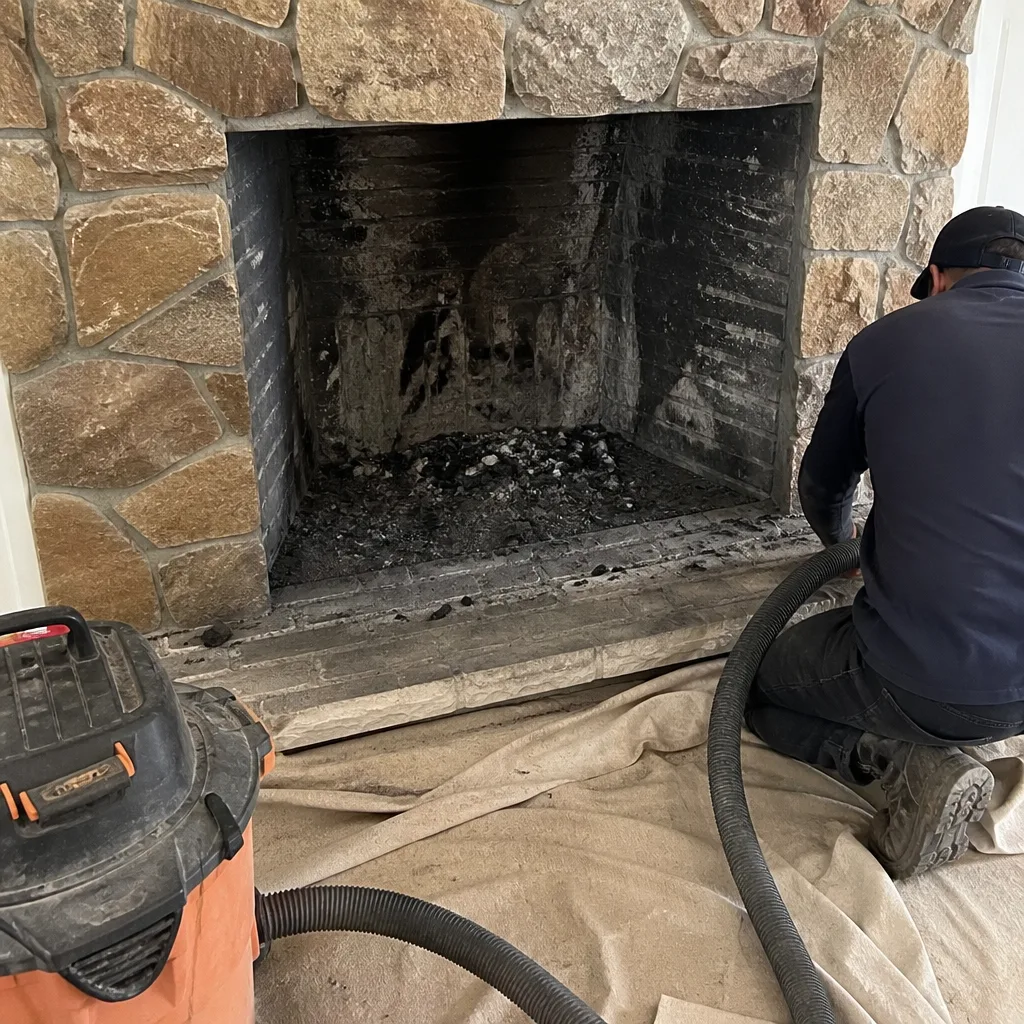 Before
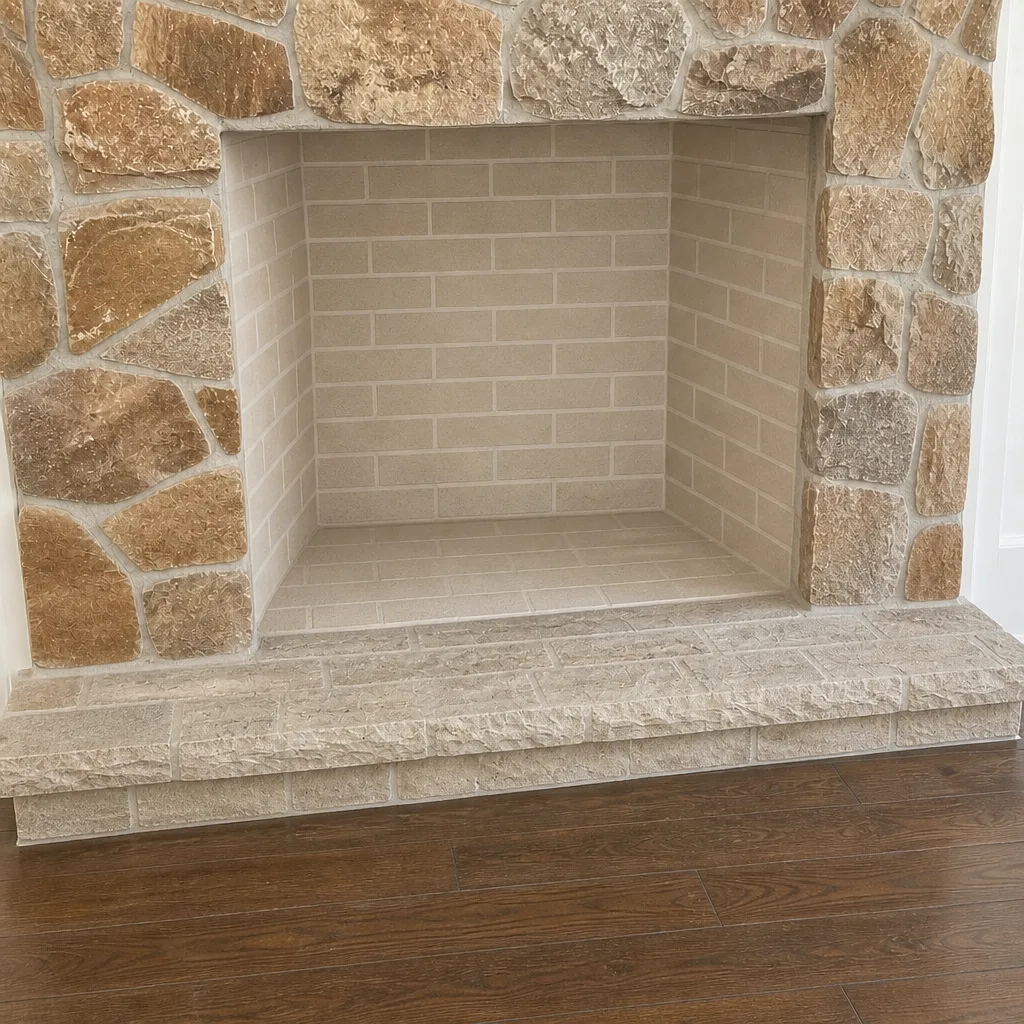 After
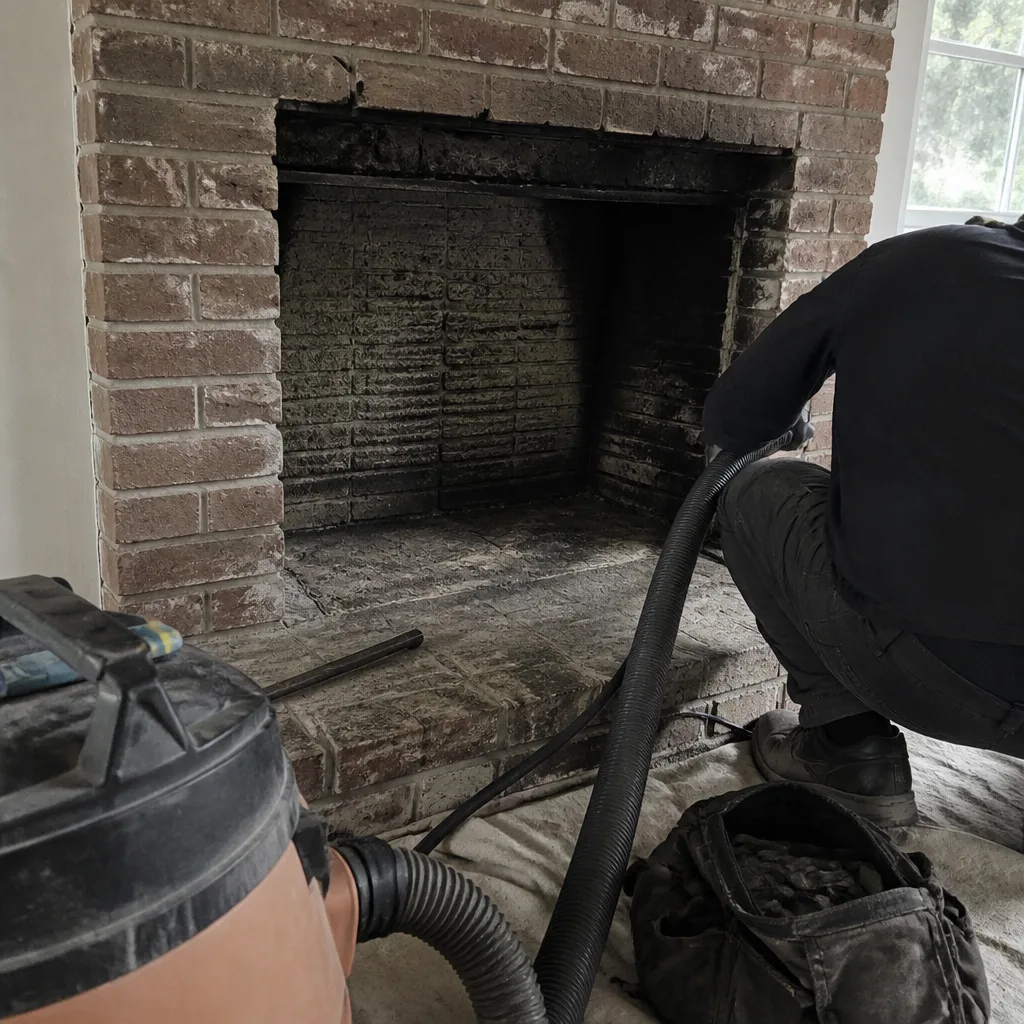 Before
 After
 Before
 After
Common Mistakes to Avoid
- Hiring on price alone. The cheapest quote usually means a Level 1 only, no camera scope, and no written report. You save money on the visit and pay for it later when a real problem goes unseen.
- Assuming “licensed and insured” means something specific. California doesn’t license chimney sweeps, so a business card that says “licensed” may be referring to a general contractor license that has nothing to do with chimney work. Ask specifically about CSIA certification and liability coverage.
- Accepting a verbal report. If a contractor tells you the chimney is fine but doesn’t document what was checked, you have no baseline. Next year is a fresh start with no comparison.
- Skipping the camera scope to save a few dollars. The scope is the cheapest information you’ll ever get about your flue’s condition. Skipping it is like buying a car without a test drive.
- Booking a sweep through a general handyman or HVAC company. Sweeping is a small add-on to their business, not their specialty. The chimney work may be fine, but the odds of missing something that’s not on their radar go up.
- No written estimate before work starts. A quote that says “repairs as needed” gives the contractor room to change the price after the work begins. Ask for itemized pricing before you authorize anything.
- Ignoring cap and crown condition. Water entry through a failed crown or missing cap is the most common cause of major chimney damage. If your contractor doesn’t mention cap and crown, ask.
When to Call a Professional
Call a professional when you notice any of the following: draft that’s weaker than it used to be, smoke rolling into the room when the fireplace is lit, a strong creosote smell that persists between fires, visible cracks in the firebox or flue tiles, damaged or missing mortar at the crown, or a cap that’s tilted, rusted, or missing. Call when you’ve moved into a new home and don’t know the chimney’s history. Call after any chimney fire, even a small one, because the internal damage may not be visible from the firebox.
Call when your annual sweep is due. If you burn regularly, that’s once a year. If you burn occasionally, every year or two is fine for sweeping, but the first inspection should still be thorough enough to establish a baseline.
Chimney Sweep Turtle Rock offers free estimates in Turtle Rock and the surrounding area. Call (833) 408-3854. We answer 24/7. Fast dispatch from 7am to 7pm, Sunday through Friday. If it’s outside dispatch hours, your call is booked into the next opening.
Frequently Asked Questions
A basic sweep typically runs around $179 to $249, and a sweep with a Level 2 inspection and camera scope runs around $249 to $399. A standalone inspection runs around $129 to $249. The written estimate sets the final price. Call (833) 408-3854 for an exact quote. Estimates are free.
You need a new liner if the camera scope shows cracked flue tiles, gaps at joints, or an unlined flue with a modern appliance connected. You don’t need one if the flue is intact. Never authorize liner work without seeing the camera evidence first. If a contractor can’t show you a photo, ask why.
No. California doesn’t issue a chimney sweep license, which is why CSIA certification is the credential to ask for instead. Ask for the certification number and check it against the CSIA directory. Ask about liability insurance and worker’s compensation at the same time.
Sweep once a year if you burn regularly, in Turtle Rock or anywhere. Every year or two if you burn occasionally. The sweep frequency is driven by how much you burn and how well the wood burns, not by the local climate. A cleaner burn means less creosote, but not none.
A Level 1 inspection is visual, done from the firebox and roof without a camera, and it’s standard for routine annual maintenance. A Level 2 includes a camera scope and is required when the appliance or fuel type changes, after a chimney fire, or when the property changes hands. Most older homes should have a Level 2 at least once.
Yes, and we treat cap and crown work as a core service, not an add-on. A failed crown lets water into the chimney structure, which is the most common cause of major damage. We install and repair both crowns and caps with components rated for the job. Call (833) 408-3854 to book an estimate.
The Bottom Line
Hiring a chimney cleaner in Turtle Rock comes down to filtering fast. Ask for CSIA certification, ask whether the sweep includes a camera scope, ask what inspection level you’re getting, ask what components the contractor stocks for repairs, and ask what documentation you’ll receive. Read the quote line by line and treat vague line items as a reason to keep looking. The cheapest quote is often the thinnest on information, and the documentation matters as much as the sweep itself. Get the free estimate, compare the numbers against what’s actually included, and hire the specialist, not the generalist.
If you’d like to book a sweep or a standalone inspection in Turtle Rock, call (833) 408-3854 for a free estimate. We answer 24/7. Fast dispatch from 7am to 7pm, Sunday through Friday. Whether you need a routine chimney sweep, a standalone inspection, fireplace repair, or chimney cap & crown work, we handle the full chimney system from the firebox to the crown. Learn more about our services at Chimney Sweep Turtle Rock.
Written by the team at Chimney Sweep Turtle Rock.