
Last updated November 24, 2026
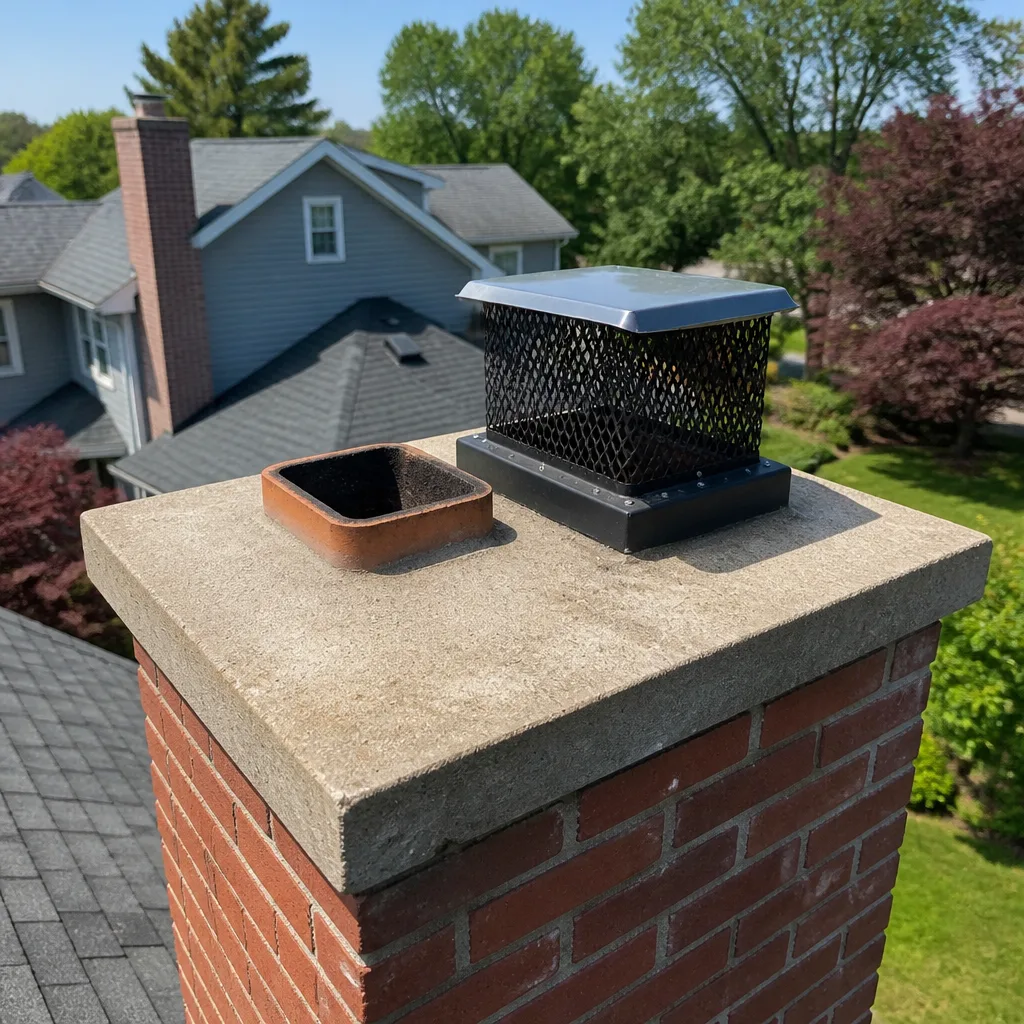 Sweep & inspection
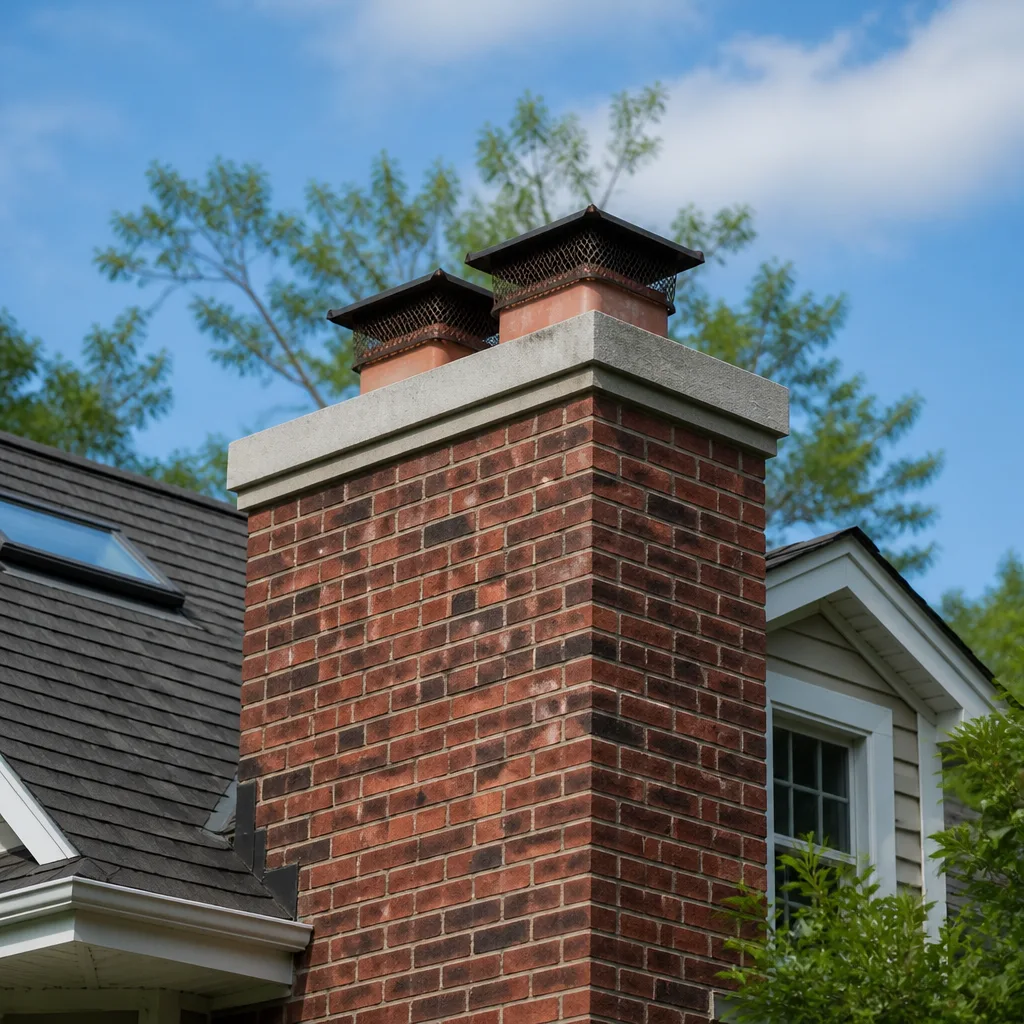 Caps & crowns
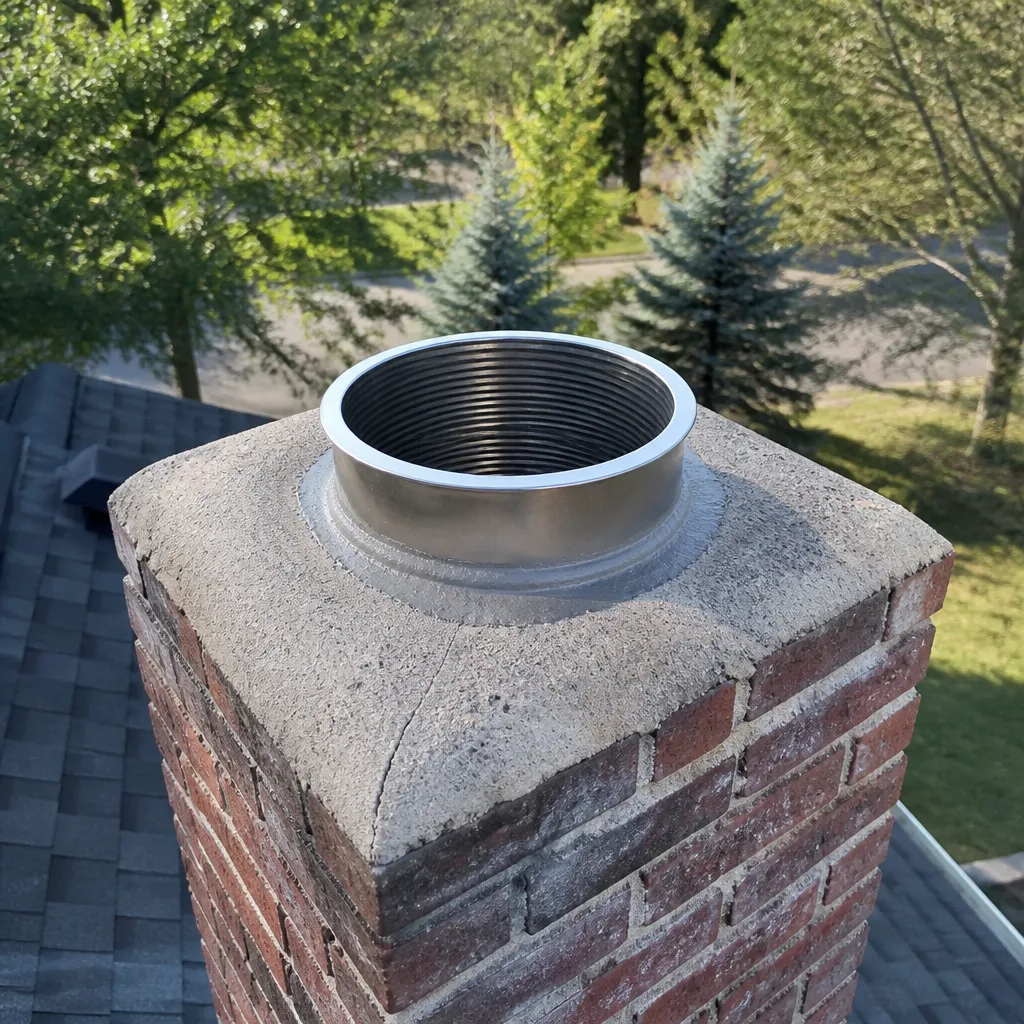 Flue relining
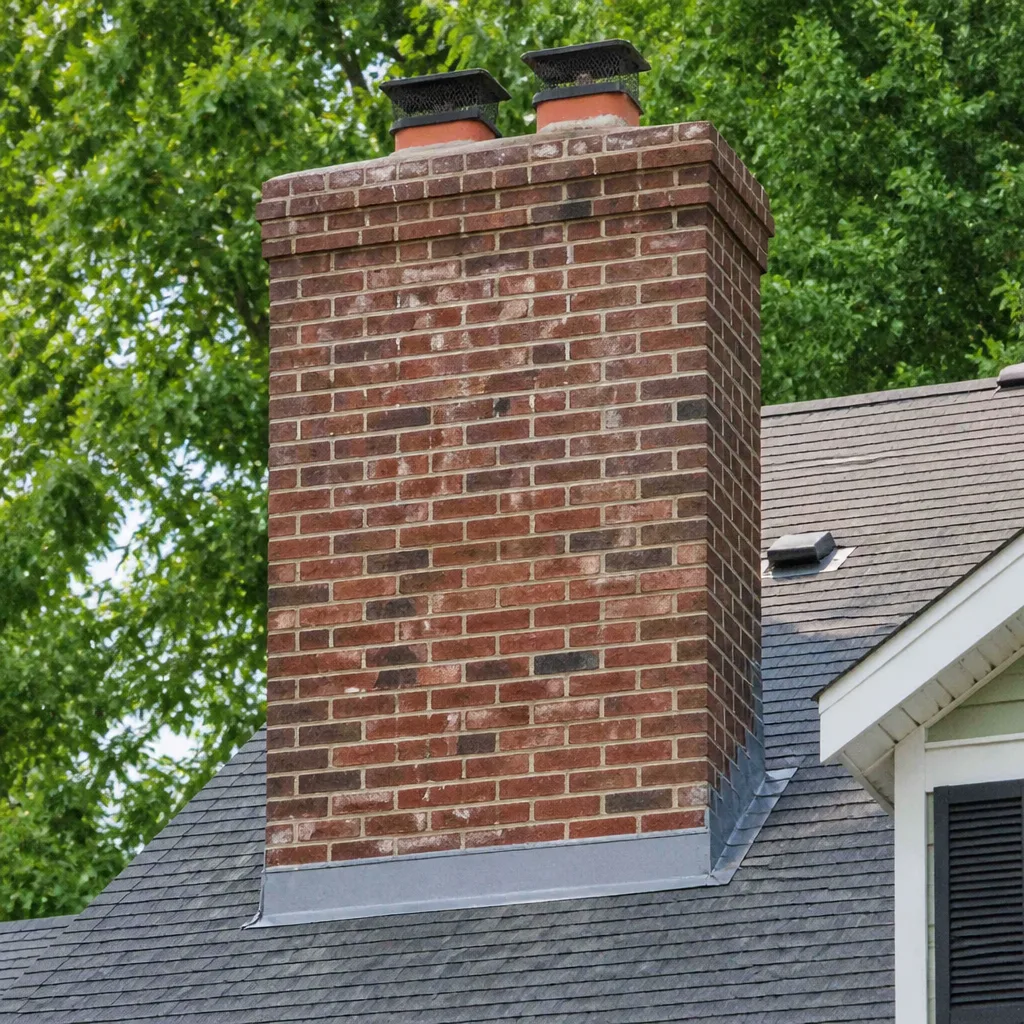 Masonry repair
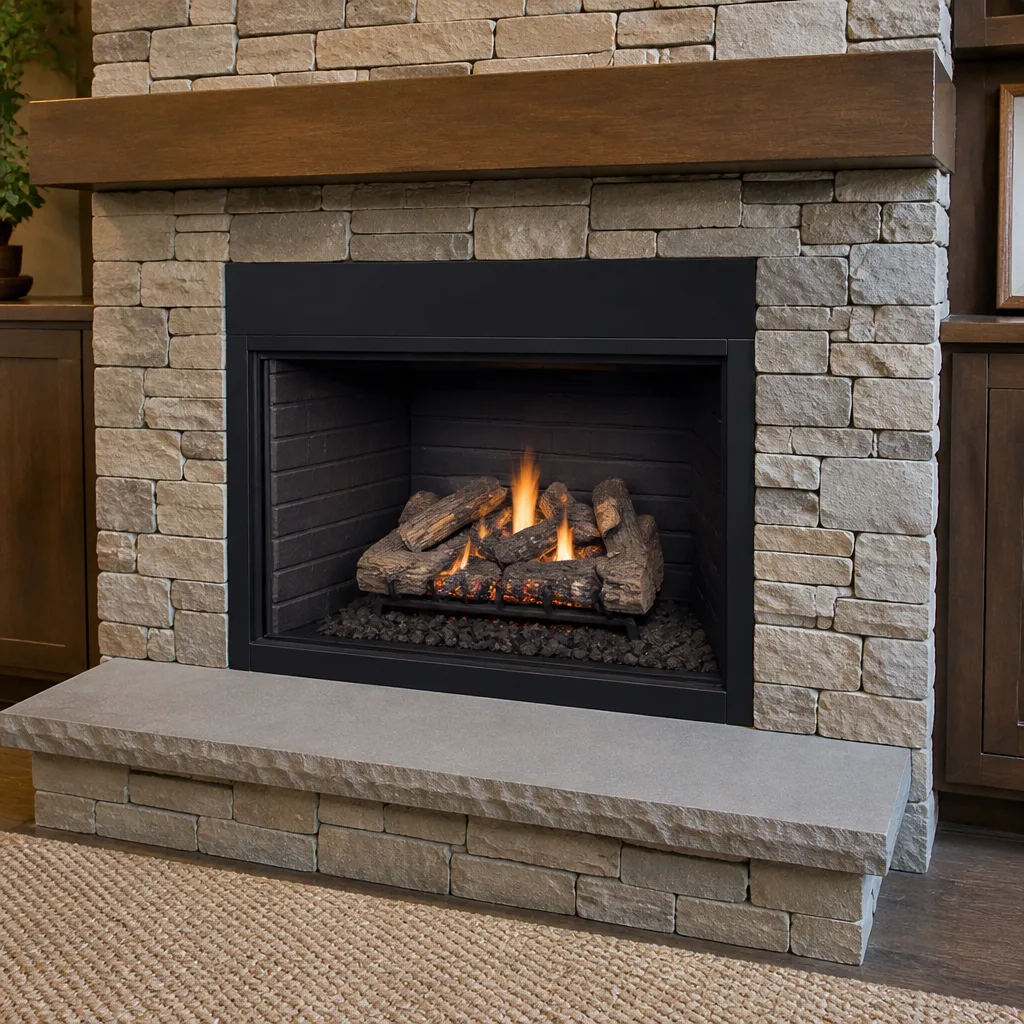 Gas fireplace service
Level 1 sweep and inspection to the NFPA 211 annual standard - flue, crown, cap, and flashing checked and photographed
Chimney sweep logs do not sweep chimneys. They loosen some creosote - which then falls where a brush and vacuum still have to collect it.
Chimney Cleaning Cost Breakdown: The Turtle Rock Homeowner’s Reference for 2026
A $79 sweep coupon sounds like a bargain until the technician hands you a repair estimate before the brush comes off the truck. That low price is usually a loss-leader inspection, priced to get someone through your door and into a conversation about work you may or may not need. Chimney cleaning in Turtle Rock isn’t expensive or cheap by nature. It’s a service with real cost variables, and once you understand them you can read any quote the way a contractor does. This guide maps every one of those variables: what a sweep actually costs in the Turtle Rock market, how inspections are tiered, what drives a price up or holds it down, and how to spot a fair invoice from a padded one.
Quick Answer
Chimney cleaning in Turtle Rock typically costs $180 to $340 for a standard sweep, with Level 2 inspections running $280 to $480 when a camera or video scan is needed. Liner repair starts around $1,200 and can climb past $4,500 for a full reline, while a crown replacement generally falls between $550 and $1,400 depending on size and access. The written estimate always sets the final price, but these ranges give you a realistic baseline before you make a single call.
Styles & brands we work with
- Sweep & inspection
- Caps & crowns
- Flue relining
- Masonry repair
- Gas fireplace service
Table of Contents
- What Do the Different Chimney Service Tiers Cost in Turtle Rock?
- What Actually Drives the Cost of a Chimney Sweep?
- How Does Creosote Level Change the Price?
- How Do You Tell a Fair Quote From a Bait-and-Switch?
- What Does Skipping Maintenance Actually Cost You?
- What Should Appear on a Detailed Chimney Invoice?
- Why Is an Inspection Priced Separately From a Sweep?
- How Do You Prepare for a Sweep and What Happens During the Visit?
What Do the Different Chimney Service Tiers Cost in Turtle Rock?
Chimney work in Turtle Rock falls into a handful of service tiers, each with its own price band. A basic sweep removes soot and creosote from an accessible flue. An inspection evaluates the full system and produces a condition report. Repair work, from liner patching to crown rebuilding, sits on top of both. Most homeowners need a sweep plus a Level 1 or Level 2 inspection, and the repair conversation only begins if the inspection finds something that needs attention.
Here’s how the pricing breaks down across the Turtle Rock and Irvine market for 2026:
- Basic chimney sweep: $180 to $340 for a single flue, standard access, light to moderate creosote.
- Level 1 inspection: $120 to $220 when bundled with a sweep, or $150 to $280 as a standalone service. Covers what’s visible without tools.
- Level 2 inspection: $280 to $480. Includes video scanning of the flue interior, attic and crawl space checks where accessible, and a written report.
- Level 3 inspection: $600 and up. Reserved for concealed areas that require opening walls or removing parts of the chimney structure. Rare in most homes.
- Liner repair (spot repair or resurfacing): $1,200 to $2,600, depending on flue length and method.
- Full liner replacement: $2,800 to $4,500, with stainless systems from DuraFlex or Olympia Chimney falling in the upper half of that band.
- Crown replacement: $550 to $1,400 based on crown size, shape and roof access.
- Chimney cap installation: $180 to $450 for a standard stainless or copper model.
Turtle Rock homes tend to sit on sloped lots with chimney stacks that rise well above the roofline, and that height adds time to a sweep. A single-story ranch with a short flue is a different job than a two-story with a tall exterior stack. When you call for an estimate, tell us the number of flues, the approximate height, and whether the fireplace burns wood or gas. That information keeps a quote honest.
What Actually Drives the Cost of a Chimney Sweep?
Two chimneys of the same height can produce very different bills, and the difference is rarely arbitrary. Price moves with access, condition, and time. A sweep that takes forty minutes on one chimney can stretch to two hours on another, and labor is the largest line in any chimney invoice. Understanding what pushes that clock forward helps you see whether a quote reflects real conditions or a number pulled from the air.
The variables that matter most in Turtle Rock:
- Chimney height: A stack that rises two stories above the roofline takes longer to set up, climb and work from. Height also drives the cost of caps and crowns, since those components are sized and installed at the top.
- Flue count: A home with two or three flues (one for the fireplace, one for a furnace or water heater) pays per flue. Each flue is swept and inspected separately.
- Creosote class: Light, powdery creosote brushes out quickly. Glazed, tar-like creosote takes more time and sometimes a chemical treatment before it can be removed.
- Access difficulty: Roof pitch, nearby trees, tight side yards and interior fireplace surrounds all affect setup time. A steep roof with no safe footing turns a simple job into a slower one.
- Debris and blockage: Nesting material, leaves or a collapsed flue tile adds extraction work.
- Fireplace type: A gas fireplace often needs less sweeping than a wood-burning insert, but the inspection scope is similar.
None of these are surprises to a trained technician. A good estimator asks about them before quoting, and a fair price reflects what’s actually there. If a quote lands without a single question about your flue count or roof, treat it as a rough number, not a commitment.
How Does Creosote Level Change the Price?
Creosote is the single biggest cost variable inside a sweep, and most homeowners have never heard the term before a technician uses it. It’s the residue left behind when wood smoke cools inside the flue. It builds in layers, and those layers fall into three classes that directly affect how much time and material a cleaning takes.
- Stage 1: Soot and light flaky creosote. Removed with a standard brush. This is the normal state for a chimney swept on a regular schedule.
- Stage 2: Flaky, hardened creosote with some tar. Needs firmer brushing and sometimes a chemical sweep powder to break the bond. Adds time to the job.
- Stage 3: Glazed, tar-like creosote that has baked onto the flue tile. Requires specialist removal, often with chemical agents that soften the glaze over a period of days before it can be scraped. This is the stage that raises fire risk and the stage most likely to push a basic sweep into a higher price tier.
Wet or unseasoned wood produces creosote faster than dry wood. A fireplace that’s used heavily through the mild Turtle Rock winters without an annual sweep is the classic candidate for stage 2 or stage 3 buildup. We’ve seen flues where the glaze was thick enough that the brush barely touched it, and the honest answer in those cases is a two-visit plan, not a one-hour fix. Any technician who promises to clear heavy glaze in a single quick pass is either guessing or overselling.
Here’s the practical point: creosote class is only knowable by looking. That’s why a price quoted over the phone before anyone has seen the flue is always an estimate, and why the written estimate after a physical look is the one that counts.
How Do You Tell a Fair Quote From a Bait-and-Switch?
Legitimate chimney pricing has a predictable shape, and so does the bait-and-switch version. The pattern to know is the deeply discounted sweep coupon followed by an in-home pitch for repairs that were never quoted up front. That doesn’t mean every low price is dishonest. It means the low price is doing a job: getting a technician inside your home with a clipboard. What happens next is what separates a fair operator from a sales operation.
Use this checklist to evaluate any quote:
- Ask whether the inspection is included or extra. A fair sweep price states clearly what’s covered. A bait price stays vague until the technician is standing in your living room.
- Ask to see the camera footage. Any repair recommendation should be backed by video or photo evidence of the flue interior. If you can’t see the problem on a screen, you can’t verify it’s real.
- Ask what happens if no problem is found. A good technician says plainly when work can wait or isn’t needed. An upsell operation rarely says “your chimney is fine, see you next year.”
- Compare the repair price to the sweep price. If a $79 sweep turns into a $3,000 reline recommendation on the first visit, ask for the footage and a written report before agreeing to anything.
- Ask whether the recommended repair requires a permit. Structural chimney work often does. A quote that ignores permitting is a quote that may leave you exposed at resale.
- Get the estimate in writing before work begins. The written estimate is the price. Anything discovered afterward should generate a new written approval, not a verbal surprise at the end.
The clearest signal of a straight quote is evidence you can look at yourself. Our inspections are standalone services for exactly this reason: you get a condition report with the findings, and the repair conversation follows only if there’s something to talk about.
What Does Skipping Maintenance Actually Cost You?
Deferred maintenance rarely shows up as a large bill the day you skip a sweep. It shows up a season or two later, as a repair estimate that would have been a cleaning if the schedule had held. The price of a routine sweep is small compared to what follows when creosote builds and moisture gets into the structure. Understanding the escalation pattern helps you decide how much urgency is real.
Here’s the typical progression we see in Turtle Rock homes where cleaning gets postponed:
- Two years deferred: Creosote moves into stage 2. The sweep costs more because the flue needs longer brushing and possibly chemical treatment. A cracked flue tile might surface in the inspection, adding a spot repair in the $1,200 to $1,800 range.
- Three years deferred: Stage 3 glazing is more likely, and a liner assessment is on the table. Liner resurfacing or a partial reline enters the conversation, and the estimate moves toward the $1,500 to $2,600 band.
- Five years deferred: By this point the inspection often finds a liner that needs full replacement, a crown that’s cracked and letting water in, and occasionally masonry damage behind the crown. That combination lands in the $2,800 to $5,000 range, and it started as a $200 sweep.
The pattern isn’t about scaring anyone into a service contract. It’s about the physics of a chimney: buildup is cumulative, water damage spreads, and both get more expensive with time. If an inspection finds a problem that can safely wait a season, we say so. But a flue with heavy creosote and a cracked liner isn’t a problem that waits well.
What Should Appear on a Detailed Chimney Invoice?
A detailed chimney invoice is a record you can use at resale, with your insurer, or the next time you hire someone. The more specific it is, the more it protects you. In our experience, homeowners who know what a proper invoice looks like spot a thin one immediately, and that knowledge is worth more than any price comparison.
A complete invoice for a sweep and inspection should include:
- Date of service and the technician’s name or ID.
- The service performed, itemized. Sweep, Level 1 or Level 2 inspection, and any add-ons, each on its own line.
- Flue count and access notes. Which flues were serviced and how access was achieved.
- Creosote class observed. Stage 1, 2 or 3, with a note on what was found.
- Inspection findings. Condition of the flue lining, cap, crown, damper and firebox.
- Photo or video evidence where a repair is recommended.
- Parts list with brand names if any component was installed or replaced. We install DuraFlex, Olympia Chimney and Copperfield components, and those model names belong on the paperwork.
- Labor breakdown separate from materials.
- A written recommendation that distinguishes between “needed now,” “needs attention within a year,” and “monitor.”
On negitiability: labor and scheduling are sometimes negotiable, especially when multiple services are bundled into one visit. Material costs are not. A stainless liner from a professional line costs what it costs, and a quote that undercuts material pricing is cutting somewhere else. The written estimate you receive before work starts is the one that sets the final price, and a fair technician will reissue it in writing if anything changes on-site.
Why Is an Inspection Priced Separately From a Sweep?
An inspection and a sweep are two different jobs, and pricing them separately is a mark of an honest operation, not an upsell tactic. A sweep cleans the flue. An inspection evaluates the entire chimney system, from the firebox to the crown, and produces a condition report. One can happen without the other, and the pricing reflects that.
When inspection is bundled free into a cheap sweep, the economics don’t work unless the inspection is being used as a sales trip. That’s why the standalone inspection model matters. You can book a chimney sweep and add an inspection at the same time, or you can book an inspection on its own before committing to any cleaning or repair. The second option is useful if you’ve just bought a home in Turtle Rock, if you’re selling, or if you’ve had a chimney fire scare and want a clear picture before deciding what to do.
The inspection itself follows a defined tier system. A Level 1 covers what’s visible without tools. A Level 2 adds video scanning and access to concealed areas. A Level 3 opens structure where concealed damage is suspected. Most Turtle Rock homes need Level 1 or Level 2, and the report from either gives you exactly what you need to compare quotes from other providers.
How Do You Prepare for a Sweep and What Happens During the Visit?
The right preparation makes a chimney sweep faster and cheaper, and it takes about ten minutes. The wrong preparation, or none at all, adds time to the job and to the bill. Here’s how a visit typically runs for a Turtle Rock home, from the call to the invoice.
- Book the visit and confirm the scope. Tell us your flue count, fireplace type, and whether you want a standalone inspection or a sweep plus inspection.
- Clear the fireplace area. Remove logs, andirons, screens and anything within a few feet of the hearth. Move or cover nearby furniture and rugs.
- Confirm access. Note whether the technician will reach the roof from outside and whether there’s a clear path through the side yard.
- Protect the interior. A drop cloth and HEPA vacuum contain the dust, and the technician sets these up before brushing begins.
- Sweep the flue. The brush runs the length of the flue, top to bottom or bottom to top depending on the configuration.
- Inspect while the flue is clean. The best time to see the lining is right after the brush, when creosote isn’t obscuring cracks or gaps.
- Review findings with you. Any recommended repair is shown on camera or in photos, and the technician says plainly whether it’s urgent, due within the year, or something to monitor.
- Issue the written estimate. If work is needed, the estimate is itemized and you approve it before anything begins.
Our technicians have up to 14 years of experience, and the routine here is second nature. The visit is fast when the flakes are light, and we take the extra time when they aren’t. What we don’t do is hand over a repair estimate before the inspection findings have been shown to you.
Common Mistakes to Avoid
- Booking a sweep from a coupon without asking what’s included. A deeply discounted sweep is often a lead-in. Ask up front whether the inspection is bundled, what it covers, and whether the sweep price holds if the flue is dirty.
- Accepting a repair quote without seeing the evidence. Any liner, crown or masonry recommendation should be backed by video or photo footage. You don’t need to be a chimney technician to read a cracked flue tile, and you shouldn’t be asked to.
- Skipping the inspection because the sweep came back clean. The sweep cleans the flue; it doesn’t evaluate the cap, crown or firebox. A Turtle Rock home near mature trees should have the cap checked, because birds and debris love an open flue.
- Assuming a gas fireplace doesn’t need attention. A gas insert needs less sweeping than a wood-burner, but it still needs inspection. The venting, the cap and the firebox all wear.
- Ignoring the crown. The crown is the concrete cap at the top of the chimney, and cracked crowns are the most common source of water damage we find. A small crack turns into masonry work fast.
- Paying for repairs before checking that the materials are professional-grade. Cheap liner and cap components fail early. Insist on brand names from a professional line, and ask to see them on the invoice.
- Treating a verbal estimate as a commitment. The written estimate is the price. If a number changes mid-job, ask for a new written approval before work continues.
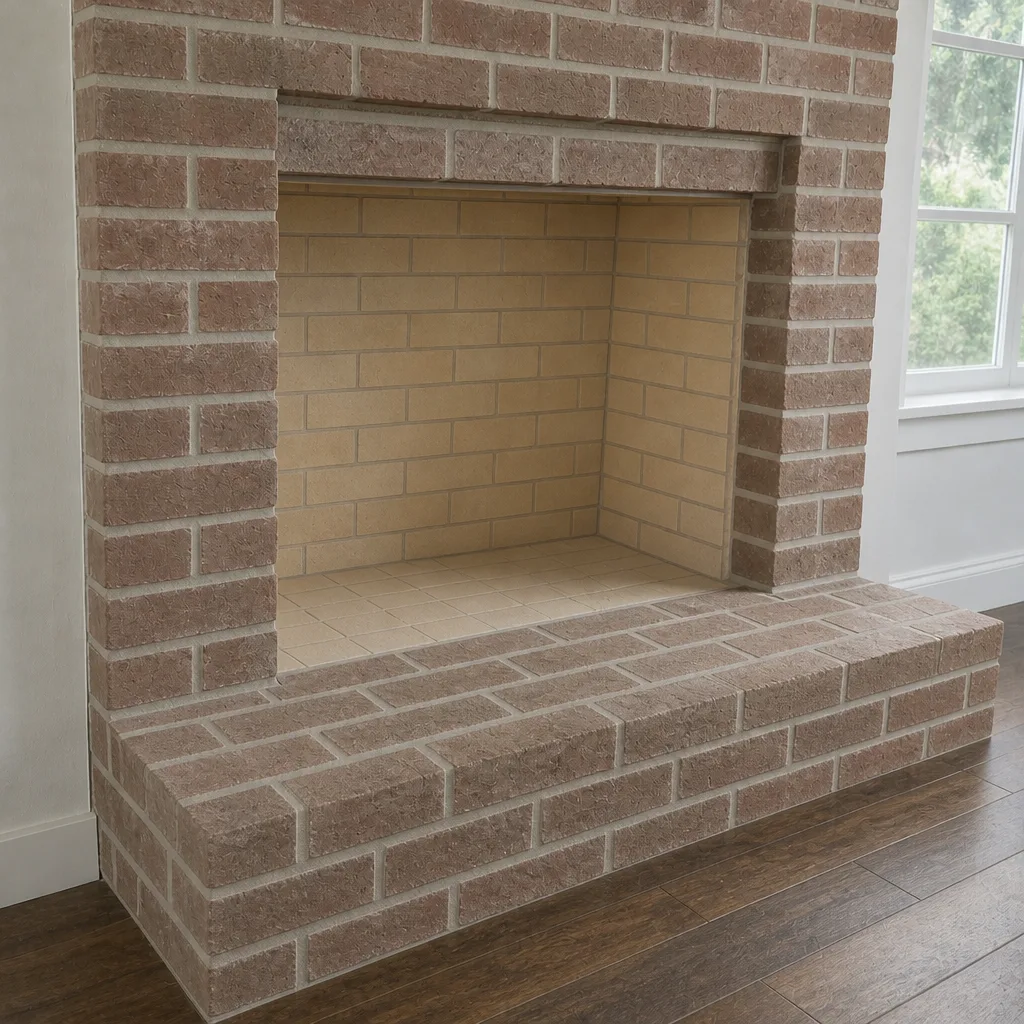
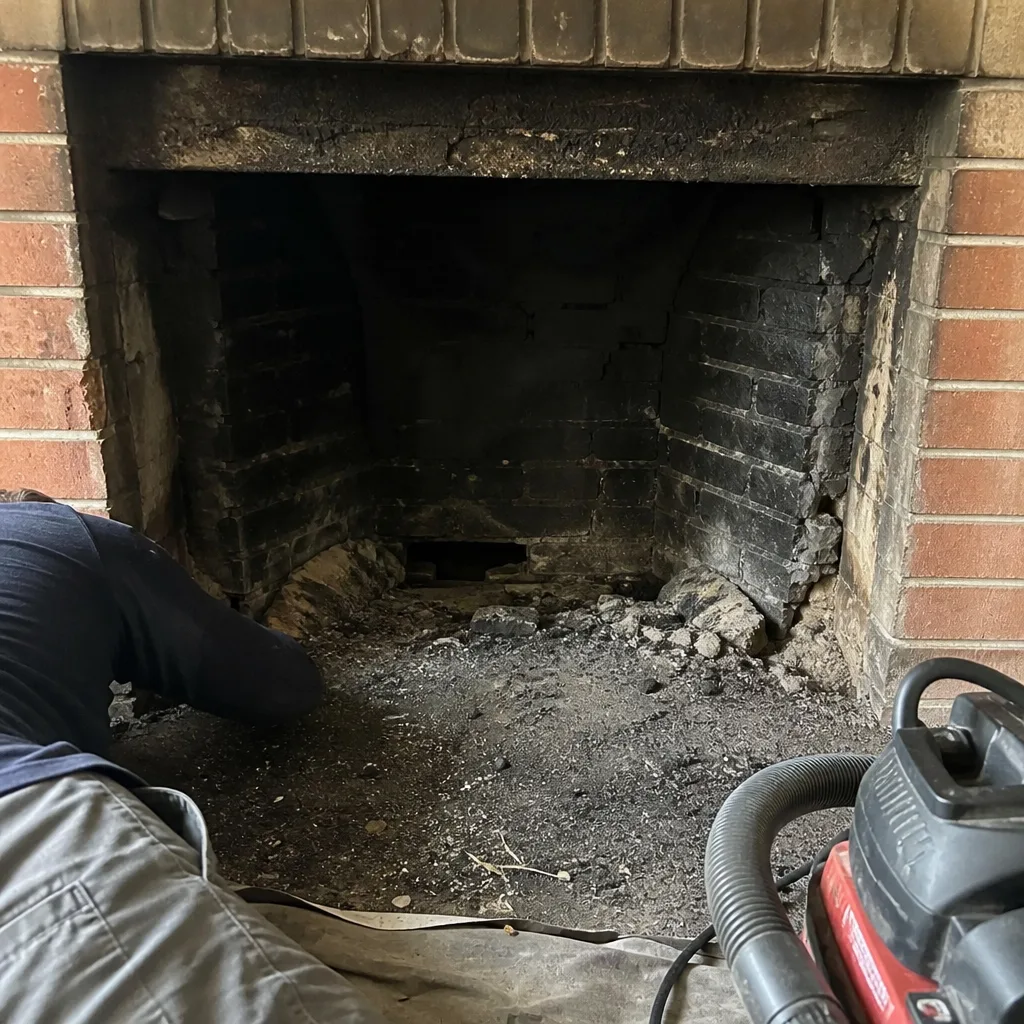
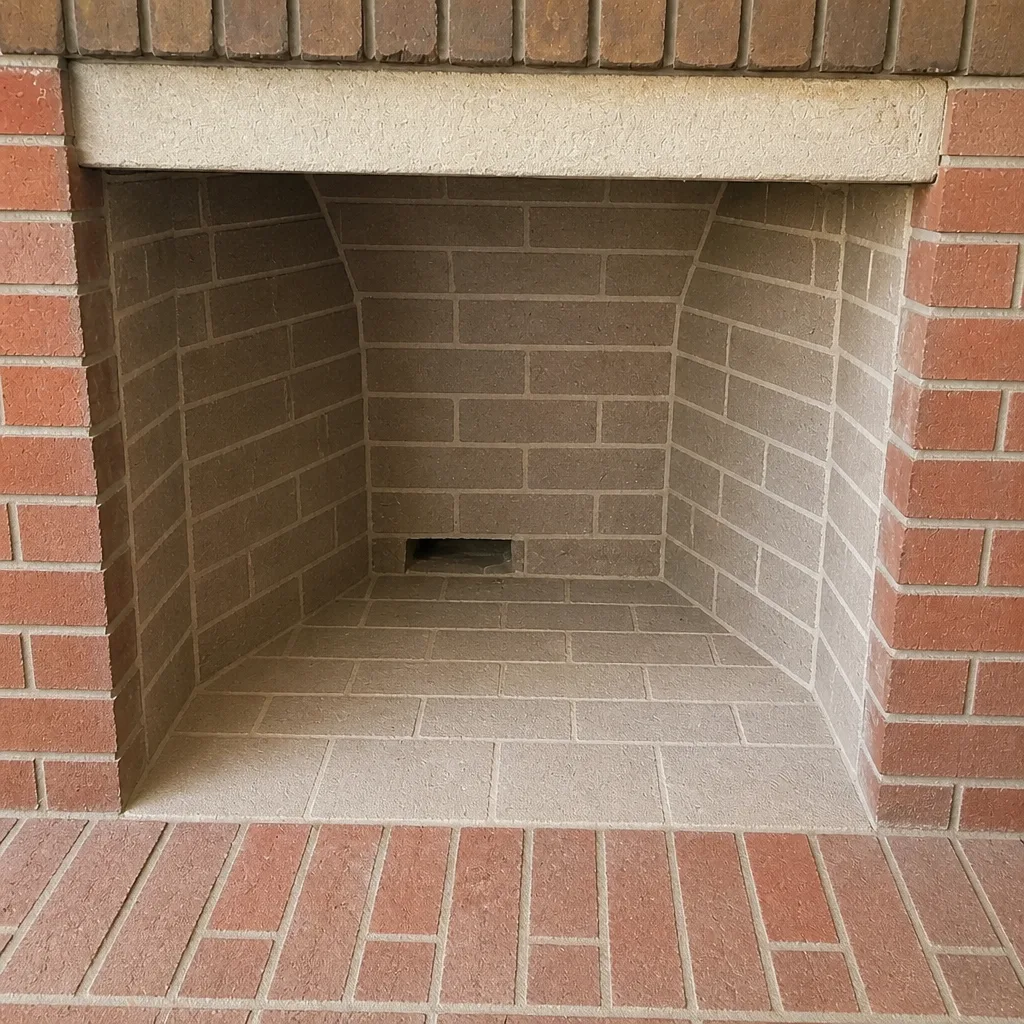
See the difference
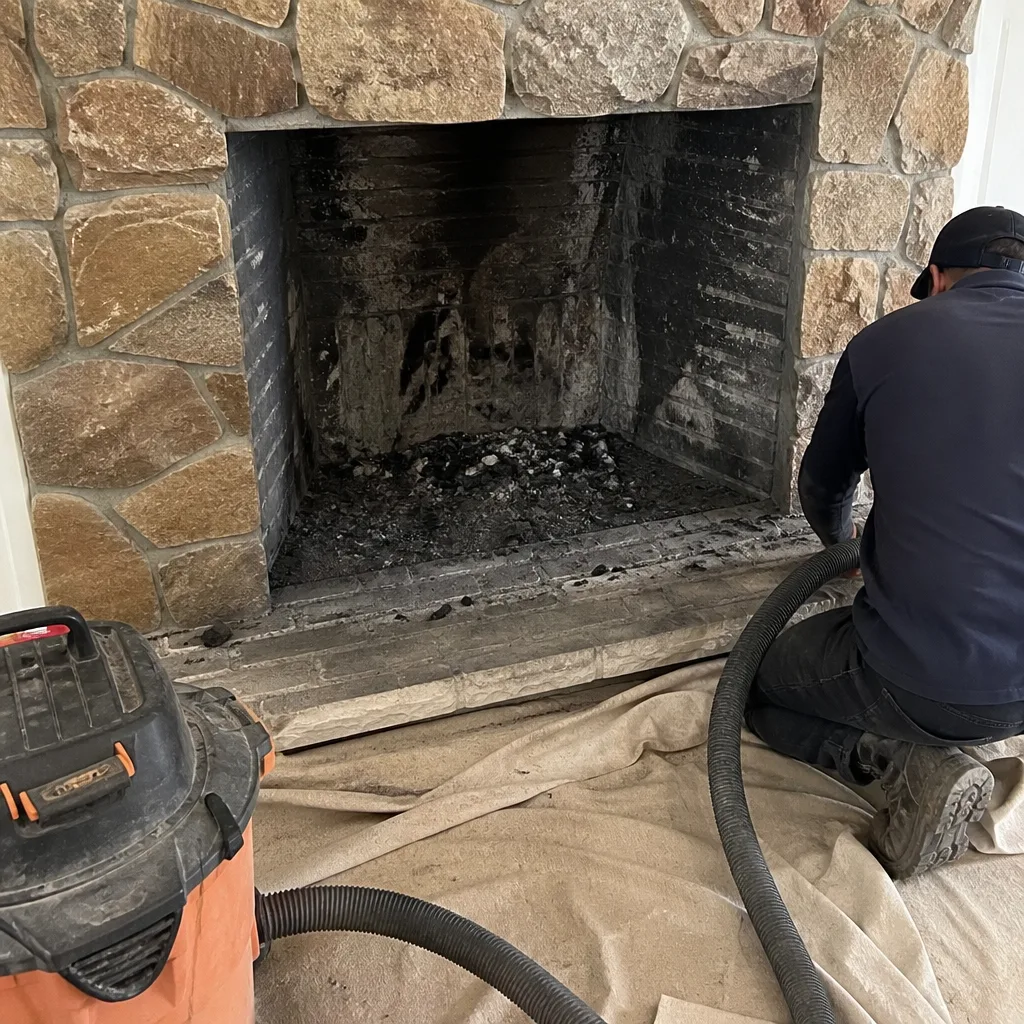 Before
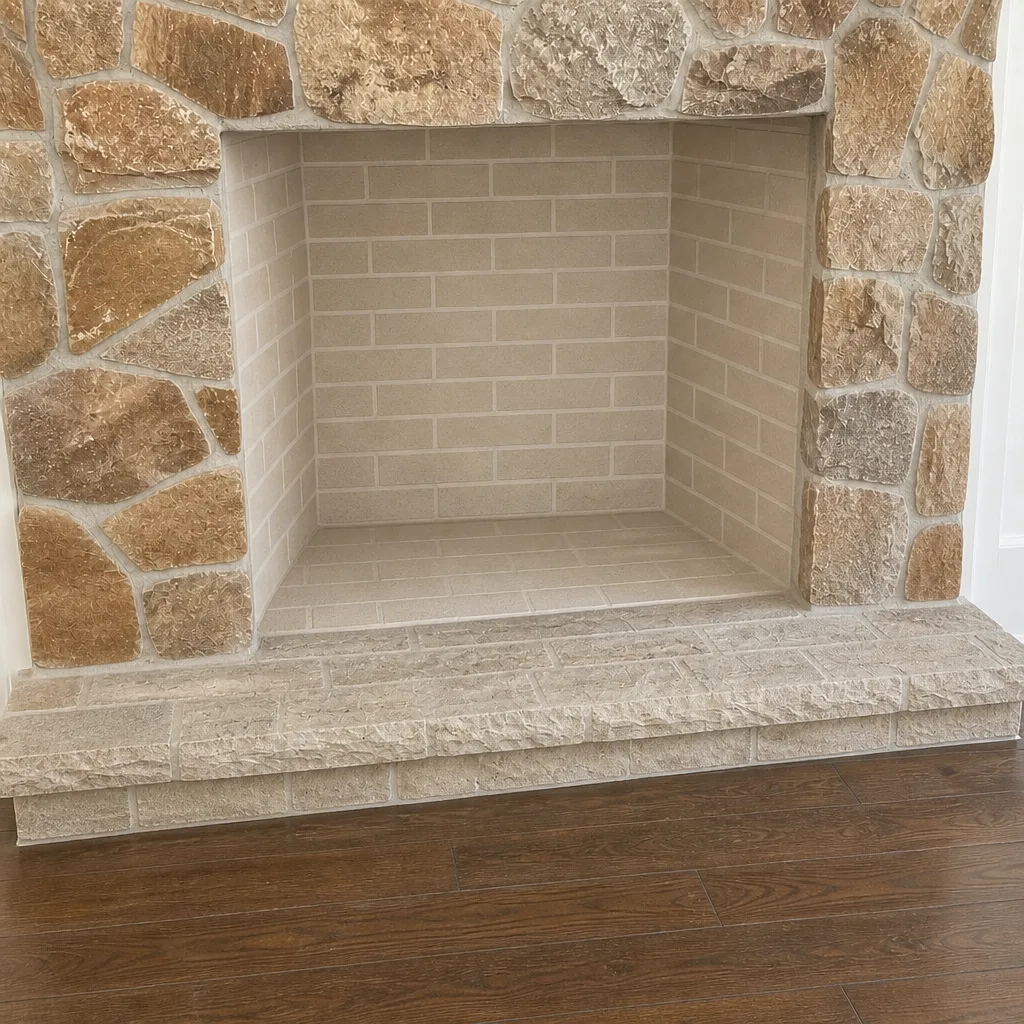 After
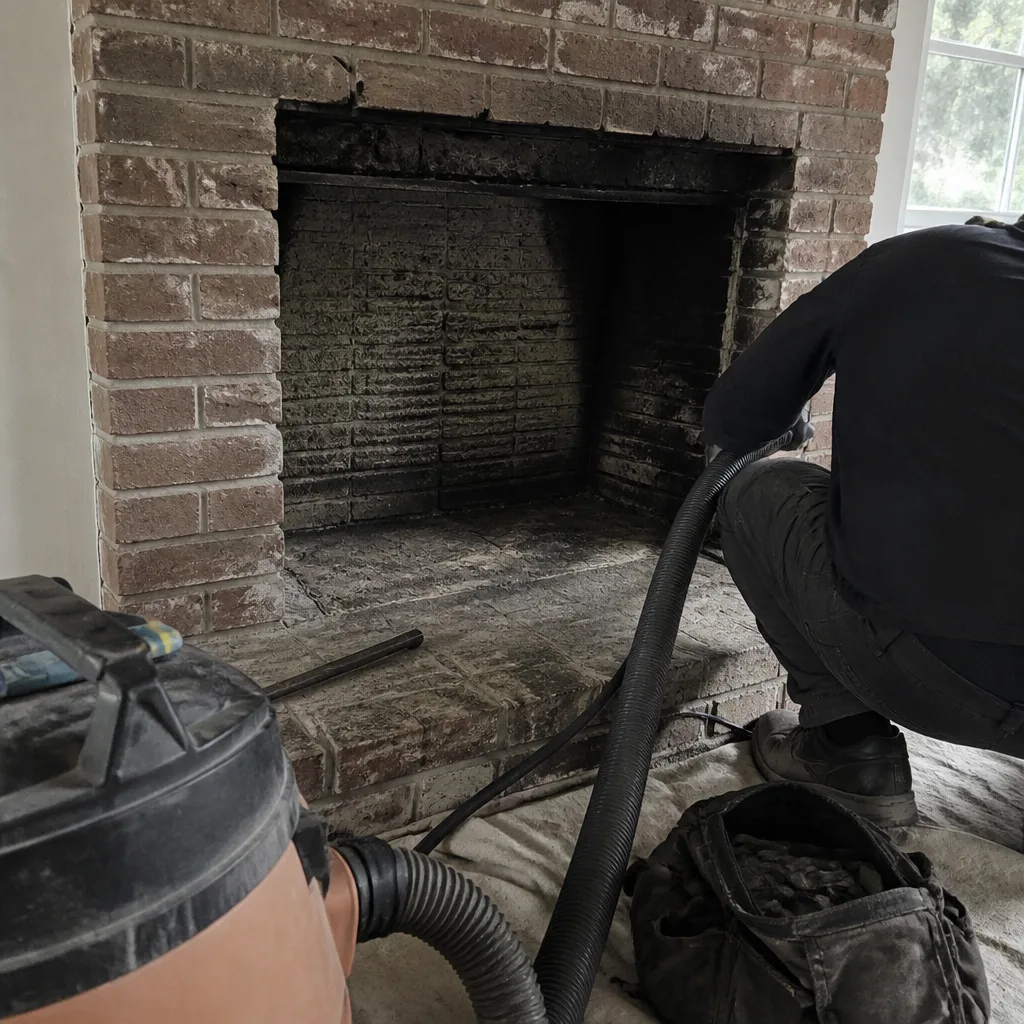 Before
 After
 Before
 After
When to Call a Professional
Call a chimney specialist when you can’t remember the last sweep, when smoke backs into the room, when you smell a strong odor from the fireplace on warm days, or when you’ve had a chimney fire, even a small one. Call when you’re buying or selling a Turtle Rock home and want a condition report before closing. Call when the crown looks cracked from the ground, when the cap is missing or damaged, or when the damper won’t seal. Call before your first fire of the season if the chimney hasn’t been looked at in more than a year. For repairs that involve the flue lining or masonry, and for anything above the roofline, stay off the roof yourself. Chimney Sweep Turtle Rock offers free estimates in Turtle Rock. Call (833) 408-3854. We answer 24/7. Fast dispatch from 7am to 7pm, Sunday through Friday.
Frequently Asked Questions
A standard chimney sweep in Turtle Rock costs $180 to $340 for a single flue with normal access. Add a Level 2 inspection and the combined visit lands around $450 to $700. The written estimate you receive before work begins sets the final price. Call (833) 408-3854 for an exact quote; estimates are free.
Not always, and no honest technician should say otherwise without showing you the evidence. A liner needs replacement when the video scan shows cracked or missing flue tiles, gaps at the joints, or damage that lets heat and gases reach the surrounding structure. Spot repair or HeatShield resurfacing can sometimes handle smaller defects at a lower cost than a full reline. Ask to see the footage before you decide, and ask whether the repair can wait a season. Call (833) 408-3854 to book an inspection that gives you that evidence.
The standard recommendation is once a year for a wood-burning fireplace in regular use, and more often if you burn frequently or notice heavy buildup. A gas fireplace still needs an annual inspection even though it needs less sweeping. In Turtle Rock, where winters are mild and fires are often burned for atmosphere rather than heat, an annual check is enough for most homes. Call (833) 408-3854 to book yours.
Creosote accumulates in layers, and heavy glazed creosote raises the risk of a chimney fire because it burns at high temperature inside the flue. Moisture also gets in through a cracked crown or missing cap and damages the masonry and liner over time. The repair costs climb steeply the longer the buildup and water damage go unaddressed. Call (833) 408-3854 to get a professional look before the next season starts.
The difference is usually scope, not price gouging. One quote may cover a sweep only, while the other includes a Level 2 inspection with video scanning, a written report, and cap or crown evaluation. Ask each provider exactly what’s included before comparing numbers. Call (833) 408-3854 and we’ll walk you through what a full visit covers.
You can, and sometimes you should. Cap and crown work is its own service, and we treat it that way rather than folding it into a sweep as an afterthought. A cracked crown or a missing cap lets water into the chimney structure, so it’s worth having checked during any visit. Call (833) 408-3854 for a free estimate on chimney cap & crown work.
The Bottom Line
Chimney cleaning pricing in Turtle Rock is not mysterious once you know the variables: flue count, height, access, creosote class, and whether the visit includes a real inspection. A fair sweep sits in the $180 to $340 range, and any quote that undercuts it dramatically is usually the first step toward a repair estimate. Ask for the evidence behind every recommendation, get the estimate in writing, and treat the invoice as a document you’ll want later. Book an inspection before the work, and you’ll know exactly what you’re paying for. Chimney Sweep Turtle Rock handles the full system, from the firebox to the crown, and we’re glad to give you a straight answer on what your chimney actually needs. For fireplace repair questions or anything else above, call (833) 408-3854. We answer 24/7. Fast dispatch from 7am to 7pm, Sunday through Friday, and we’re closed Saturday.
Written by the team at Chimney Sweep Turtle Rock.