
Last updated November 24, 2026
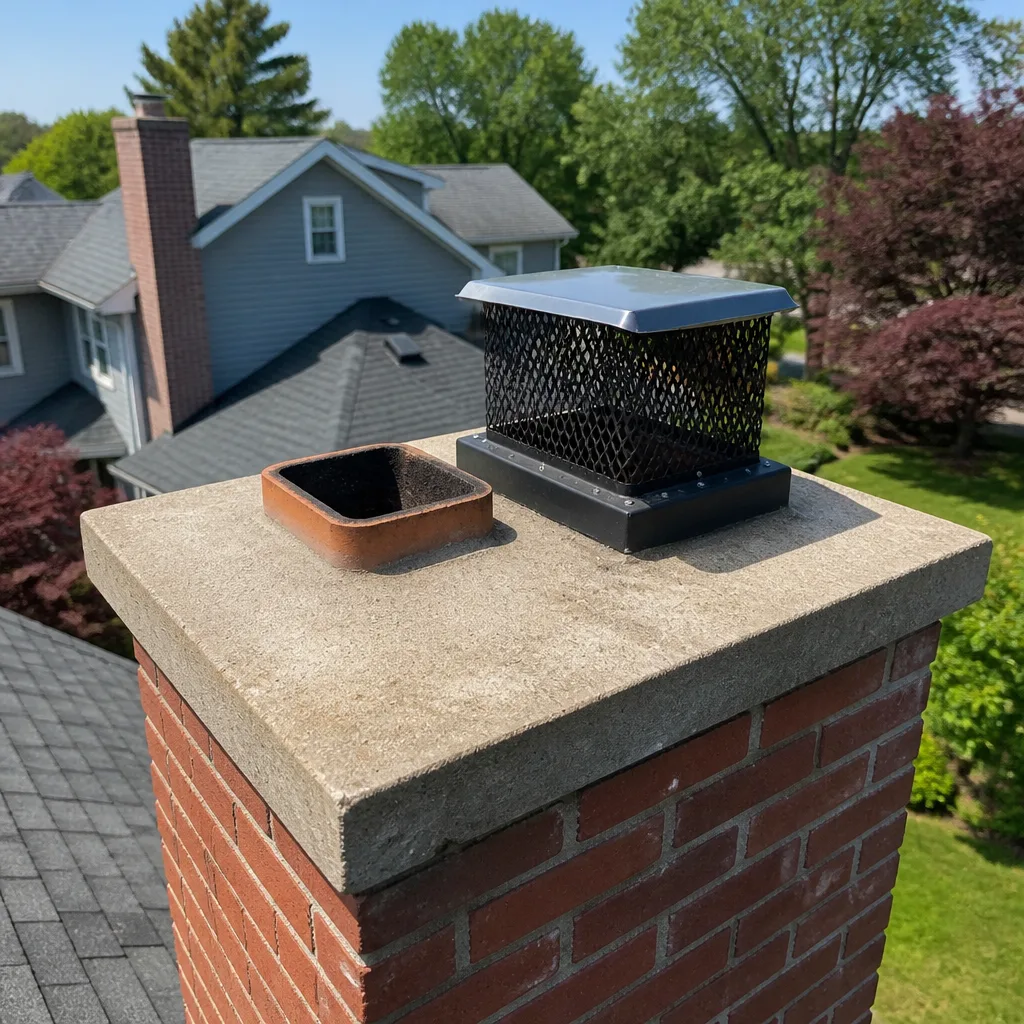 Sweep & inspection
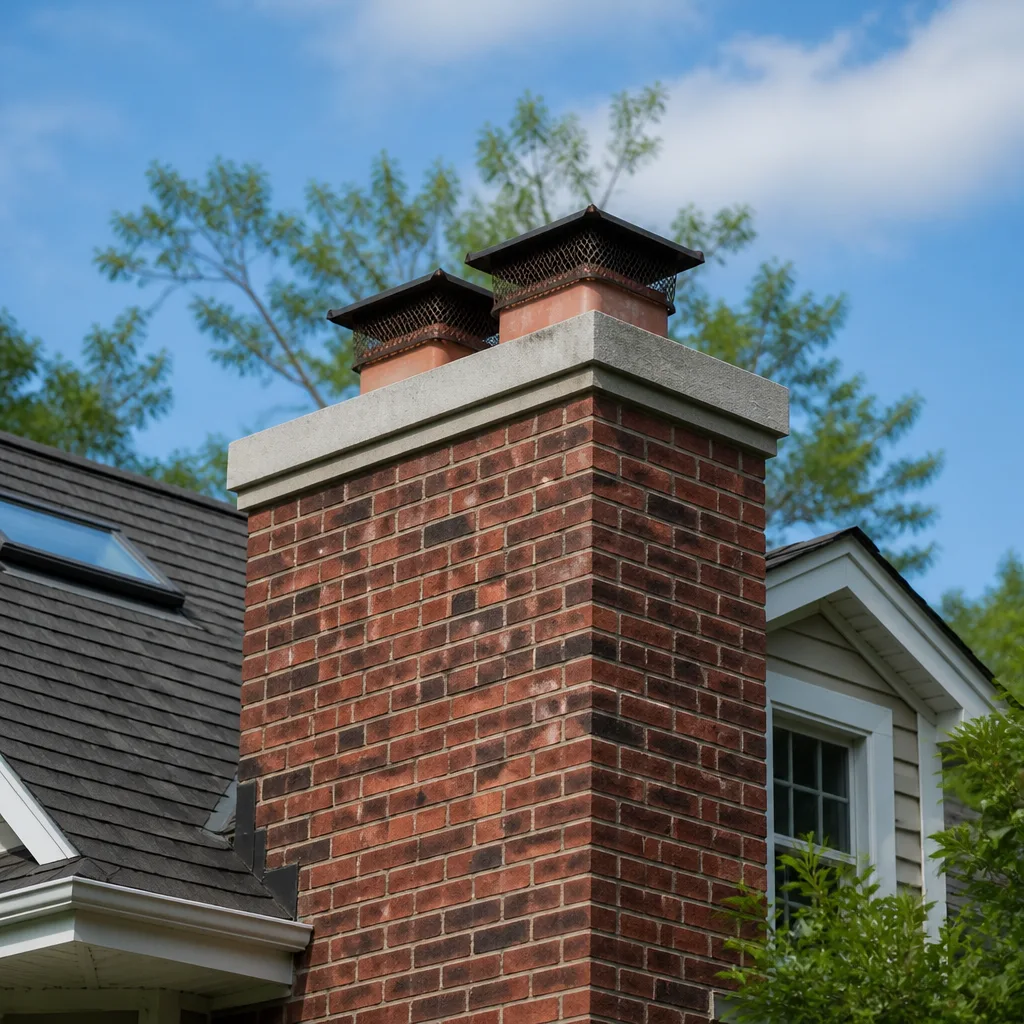 Caps & crowns
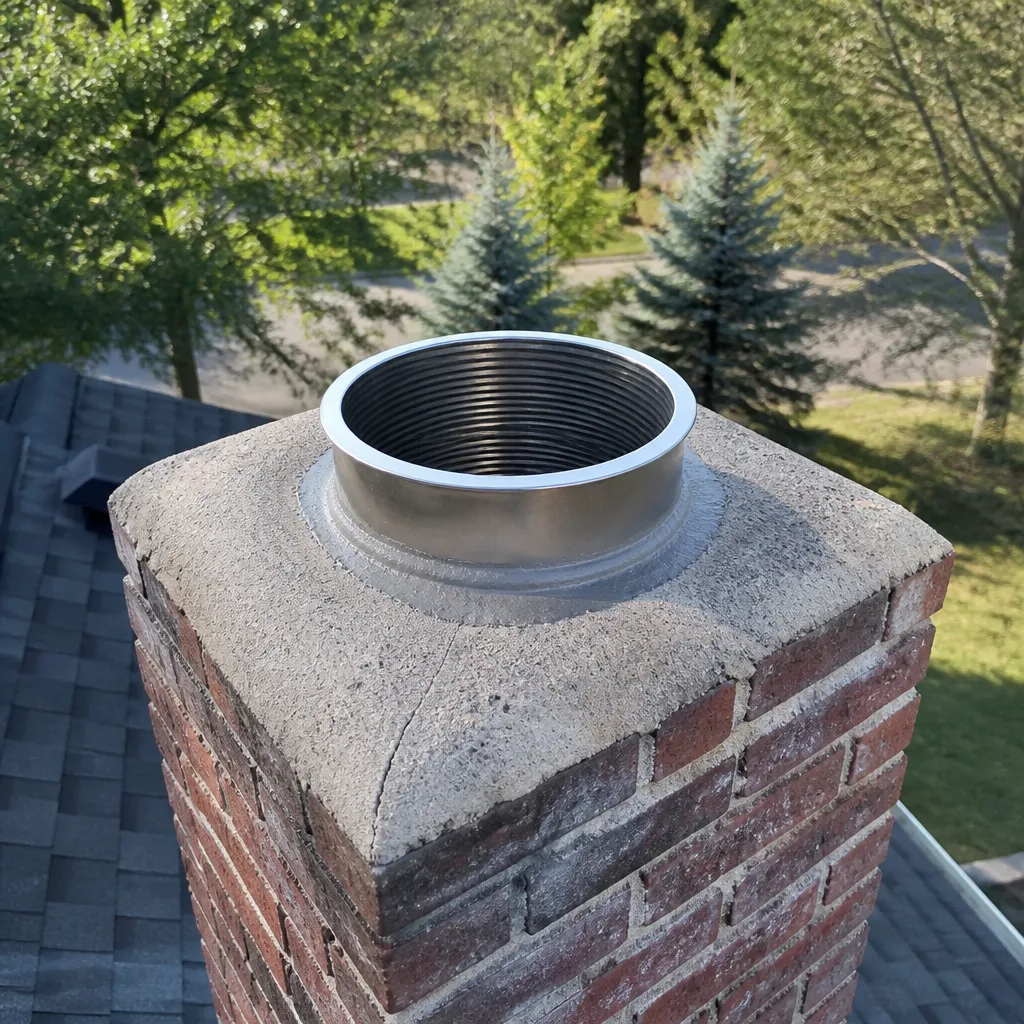 Flue relining
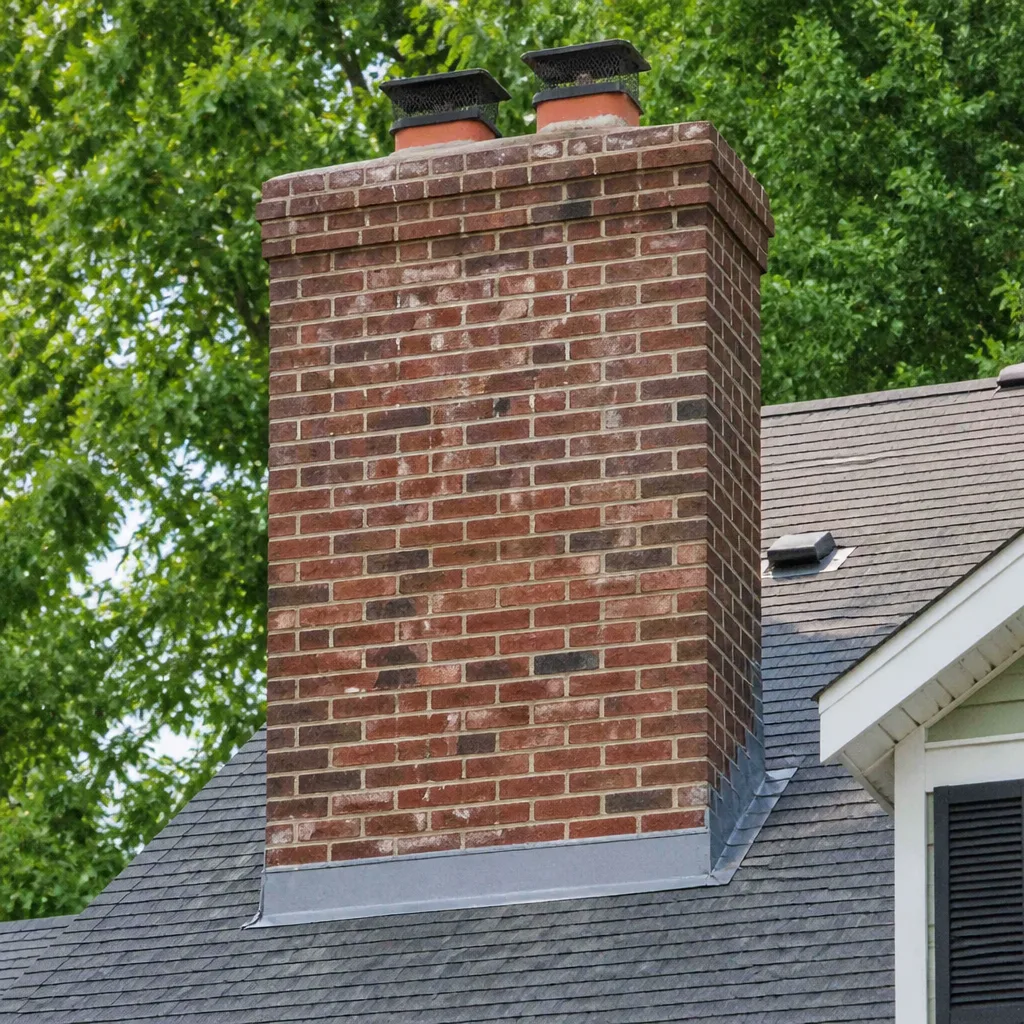 Masonry repair
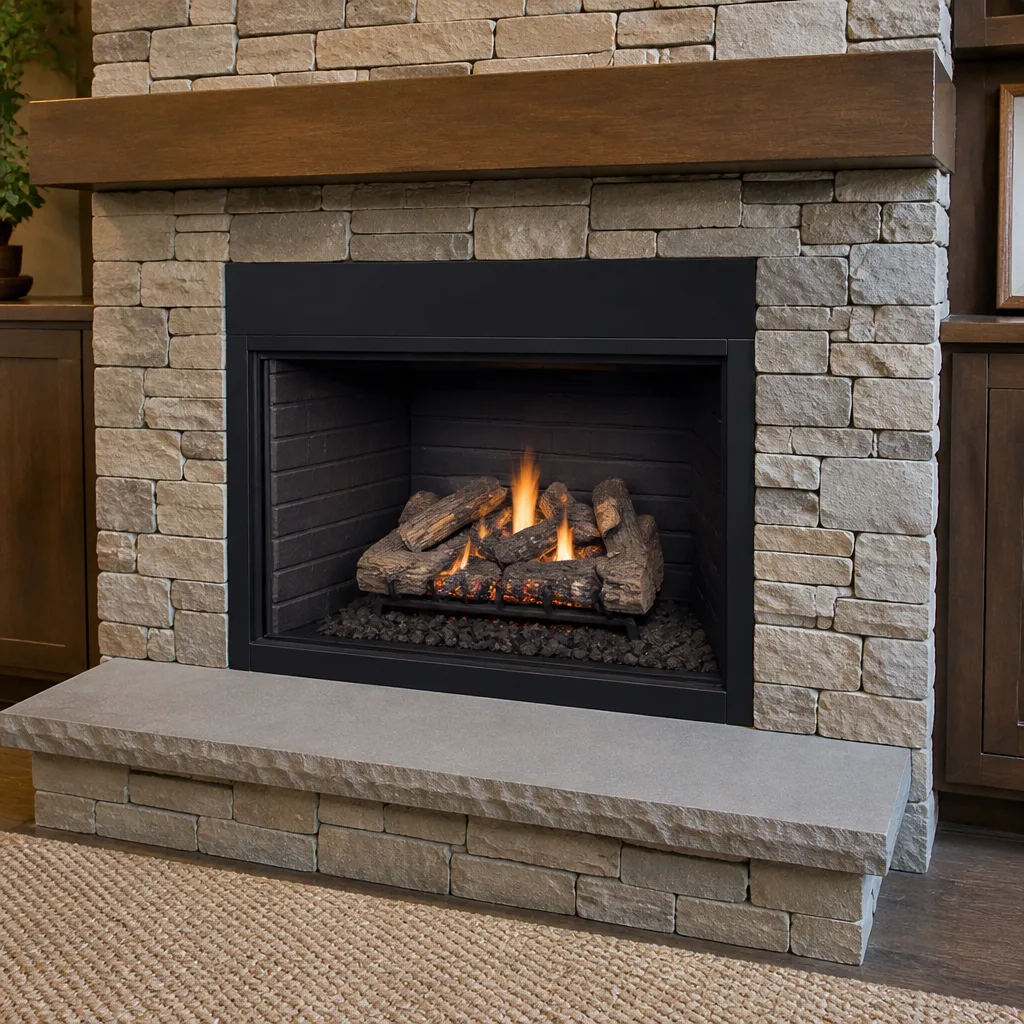 Gas fireplace service
Level 1 sweep and inspection to the NFPA 211 annual standard - flue, crown, cap, and flashing checked and photographed
Chimney sweep logs do not sweep chimneys. They loosen some creosote - which then falls where a brush and vacuum still have to collect it.
Chimney Cleaning Permits, Codes & Inspections in Turtle Rock, CA: What You Need to Know
Here’s the part most homeowners get backwards: a routine chimney cleaning is almost never the thing that triggers a permit. The repair that gets recommended afterward often is. Unpermitted chimney repair work in California can surface as a defect on a home inspection report during a sale, and the seller, not the contractor, typically bears the cost to remediate it. That’s the gap we want to close on this page. You’ll learn exactly where maintenance ends and permitted repair begins under California code and Irvine’s local requirements, what “up to code” actually means for a liner, how to check whether a contractor pulled a permit, and what paperwork to keep. If you’re in Turtle Rock and you’ve ever wondered whether the work on your chimney was legal, this guide is for you.
Quick Answer
A standard chimney sweep in Turtle Rock does not require a permit. Repair work does: relining a flue, replacing a crown, rebuilding a firebox, or any structural change to the chimney typically requires a permit through the City of Irvine’s building department, and new liners must meet California code and the UL 1777 standard. A CSIA-style inspection report tells you the condition of your chimney; a code compliance inspection is the official sign-off that permitted work was done correctly. You often need both, and they are not the same document.
Styles & brands we work with
- Sweep & inspection
- Caps & crowns
- Flue relining
- Masonry repair
- Gas fireplace service
Table of Contents
- Where Maintenance Ends and Permitted Repair Begins
- California Code and UL 1777: What “Up to Code” Really Means for a Liner
- How to Verify a Contractor Actually Pulled the Permit
- CSIA Report vs. Code Compliance Inspection: When You Need Each
- Why Unpermitted Work Becomes a Title Problem at Sale
- What Documentation to Keep After Chimney Work in Turtle Rock
- Turtle Rock Conditions That Push a Chimney Toward Repair
Where Maintenance Ends and Permitted Repair Begins
The line between maintenance and repair is the single most important thing to understand about chimney permits in Turtle Rock. Maintenance keeps a chimney working as built. Repair changes or restores the structure of the system. California permitting generally follows that same split.
What does not typically require a permit:
- A routine sweep to remove creosote and soot from the flue
- A visual inspection of the firebox, damper, smoke chamber and flue
- Replacing a chimney cap that sits on top of the flue
- Minor tuckpointing on mortar joints that have not compromised the structure
- Cleaning a gas fireplace log set or adjusting the damper
What typically does require a permit through the City of Irvine building department:
- Installing, replacing or relining a flue with a new liner system
- Rebuilding or replacing a chimney crown
- Rebuilding a firebox or smoke chamber
- Any change to the chimney’s height, footprint or structural framing
- Converting a wood-burning fireplace to gas or adding a new flue
- Structural masonry repair on the exterior stack
In our experience, the confusion happens when a homeowner books a sweep and the technician recommends a repair in the same visit. That’s a legitimate finding, but it changes the job from maintenance to permitted work, and the homeowner deserves to hear that clearly before authorizing anything. Our chimney sweep service is scoped as maintenance, and when we find something that crosses into repair, we tell you exactly which permit category it falls under so you can ask the right questions.
One note on where the authority sits: Turtle Rock is a community within the City of Irvine, so the building department that issues your permit is Irvine’s, not a separate Turtle Rock office. Confirm the current requirement with them before any repair begins, because local adoption of the state code can shift.
California Code and UL 1777: What “Up to Code” Really Means for a Liner
“Up to code” gets thrown around loosely. For a chimney liner in California, it refers to a specific body of requirements, and a contractor who can’t tell you which ones apply to your job is telling you something.
Two frameworks overlap here:
- California Title 24 sets the state’s building energy efficiency standards, and it touches on appliance venting and combustion safety in ways that affect how a liner is sized and installed. A liner that’s the wrong diameter or improperly connected can fail the intent of those standards even if it looks fine from the top.
- UL 1777 is the product safety standard for chimney liners. A listed liner has been tested to withstand flue gas temperatures and conditions. An unlisted liner, or a listed liner installed in a way that voids its listing, is not “up to code” regardless of what a contractor tells you.
In practice, “up to code” for your liner means the correct listed product, sized to your appliance, installed with the clearances and connections the manufacturer and the code both require, and inspected afterward. This is where the product line matters. When we reline a flue, we work with professional-grade systems like DuraFlex and Olympia Chimney because those are listed products with documented installation requirements, and we can show you the spec. HeatShield is a different tool in the same conversation: it’s a resurfacing system for deteriorated flue tiles, not a liner replacement, and it has its own proper application.
If a contractor can’t name the standard their liner meets or show you the product documentation, that’s your cue to get a second opinion. The same logic applies when we install a chimney cap & crown: rated components, installed to spec, documented.
How to Verify a Contractor Actually Pulled the Permit
Some contractors skip permits to stay competitive on price. It’s not a rumor; it’s a pricing reality in any market, and Turtle Rock homeowners are not immune to it. A contractor who quotes a reline without a permit is quoting a lower number because they’ve removed a step you can’t see. Here’s how to confirm the permit exists.
- Ask for the permit number in writing before work starts. A legitimate contractor pulls the permit before the crew arrives, not after. If they can’t give you a number, the permit doesn’t exist yet.
- Call the City of Irvine building department and ask them to look it up. Permits are public record. Give them the address and the permit number and confirm the scope matches the work being done.
- Check that the permit is in the property owner’s name or properly authorized. If it’s in someone else’s name, ask why.
- Confirm the final inspection was scheduled and passed. A permit that was pulled but never inspected is an open permit, and open permits cause problems at sale.
- Get the inspection sign-off document. Keep it. This is the piece of paper that proves the work was legal, and it’s the one most homeowners never receive.
We treat this as part of the job. When the scope crosses into permitted repair, we tell you the permit is required and we document the work so the paper trail is clean. An inspection before the work, so you know exactly what you’re paying for, cuts both ways: it also tells you when a permit is genuinely needed and when it isn’t.
CSIA Report vs. Code Compliance Inspection: When You Need Each
These two inspections are not interchangeable, and conflating them is one of the most common misunderstandings we run into in Turtle Rock.
A CSIA-style inspection report is a condition assessment. A trained technician examines the chimney, documents what they find, and tells you what needs attention. There are levels of inspection, from a basic visual on an accessible chimney to a more involved assessment when a problem is suspected. This report tells you the health of your chimney in plain terms: creosote levels, liner condition, crown integrity, cap condition, firebox and damper status. It’s what you need before deciding whether to buy a home, whether a repair can wait, or whether a reline is justified. Our standalone inspection service is built exactly for this, separate from any sweep, so you can get the report without committing to work.
A code compliance inspection is an official act. A municipal inspector reviews permitted work against the adopted code and either signs off or requires corrections. It is not a condition report, and it does not tell you whether your chimney is due for a sweep. It tells you whether the permitted work met code.
Here’s when you need each:
- Before buying a home in Turtle Rock: a CSIA-style report on the chimney, because the standard home inspection usually includes only a limited look at the fireplace.
- After any permitted repair: the code compliance inspection, signed off by the city inspector.
- Before selling: both if permitted work was ever done. You want the sign-off to prove it, and a current condition report to show buyers.
- Annually or before burning season: a CSIA-style report on a chimney you use regularly.
Why Unpermitted Work Becomes a Title Problem at Sale
Unpermitted work tends to sit quietly until a transaction drags it into the light. A home inspector notices something off on the chimney, flags it, and the next thing the seller knows they’re being asked to prove the work was permitted. If they can’t, the buyer has negotiating leverage, and the cost of remediation lands on the seller.
What makes chimney work particularly exposed:
- A reline is hidden. A buyer can’t see whether a liner was properly installed, which means the paperwork is often the only evidence. No paperwork, no proof.
- Open permits surface in title searches. A permit pulled but never inspected can show up as an open item on the property record.
- Insurance claims can hinge on it. If a future claim involves the chimney, an adjuster will look at whether the work was permitted. Unpermitted work can complicate a claim in ways that surprise homeowners.
- Buyers’ agents increasingly ask. In a market as scrutinized as Turtle Rock’s, a clean record is worth real money at closing.
We’ve seen the anxiety this creates for homeowners who never authorized anything sketchy; they simply didn’t know the work required a permit. That’s why we document what we do, name the products in the record (a HeatShield application is a different line item than a DuraFlex reline, and the paperwork should say so), and hand you the file. It’s also why we offer an inspection before the work, so you can see the condition of the chimney and make decisions with evidence rather than pressure.
What Documentation to Keep After Chimney Work in Turtle Rock
The right time to collect documentation is while the work is happening, not years later when you’re selling. Keep the following in one folder, paper or digital:
- The written estimate or contract, with the scope of work clearly stated and the products named. If a liner was installed, the brand should appear on the paperwork.
- The permit number and date pulled, if the work required a permit.
- The final inspection sign-off from the City of Irvine building department.
- The inspection report from before the work, showing the condition that justified the repair.
- Product documentation for any liner, cap or crown installed, including the manufacturer’s listing information.
- The after-work photos or report, including any camera documentation of the flue.
- Receipts and payment records, which establish the date and amount of the work.
This file serves three purposes: it answers an insurer’s questions, it satisfies a buyer’s due diligence, and it lets the next technician who works on your chimney understand what was done. A chimney is a system, and its history matters. We handle the fireplace repair side of the system too, and when we work inside a firebox that’s been repaired before, knowing what was done and with what materials is half the job.
Turtle Rock Conditions That Push a Chimney Toward Repair
Turtle Rock sits in a part of Irvine where the climate is mild and the seasons are gentle, and that shapes how chimney problems develop here. Winters are mild enough that a wood-burning fireplace is used more for atmosphere than for primary heat, which means homeowners often burn less than they think and sweep later than they should. The result is a chimney that accumulates creosote over several seasons and then offers up a repair recommendation all at once.
The bigger factor in this community is water. The same rain that greens the surrounding hills works on chimney crowns and caps, and a crown with a hairline crack or a cap that’s missing or loose lets moisture in year after year. That moisture degrades mortar, rusts dampers and can compromise the flue over time. It’s why we treat cap and crown work as a core service rather than a footnote; the two most common sources of chimney water damage are exactly those components. The Chimney Sweep Turtle Rock approach starts with a condition report so you know whether a crown replacement is overdue or holding fine.
Housing here tends to be well-maintained and tightly managed, and a lot of the homes have chimneys that were installed years ago with materials that have reached the end of their service life. A flue tile that’s begun to spall is a repair, not a cleaning. Knowing the difference is the whole point of this guide.
Common Mistakes to Avoid
- Assuming the sweep will handle the permit. Not every sweep is set up to pull permits, and some don’t mention that a repair requires one. Ask directly whether the recommended work needs a permit before you authorize it.
- Accepting a reline quote with no product named. If the estimate says “new liner” without naming a listed product like DuraFlex or Olympia Chimney, you can’t verify what’s going in your flue.
- Confusing an inspection report with a code sign-off. A condition report tells you what your chimney needs; it is not proof that permitted work passed inspection. Keep both.
- Paying for a repair and never getting the paperwork. If the contractor doesn’t hand you the permit number and final inspection sign-off, chase them for it. It’s your record, not theirs.
- Treating the chimney cap as cosmetic. A missing or loose cap in this climate is an open door for water. It’s one of the cheapest repairs that prevents one of the most expensive ones.
- Skipping the annual sweep because the fireplace “seems fine.” Creosote accumulates out of sight, and a mild climate doesn’t change the burn chemistry inside the flue.
- Assuming a home inspection covered the chimney. A standard home inspection typically gives the fireplace only a limited look. If you’re buying in Turtle Rock, order a dedicated chimney inspection separately.
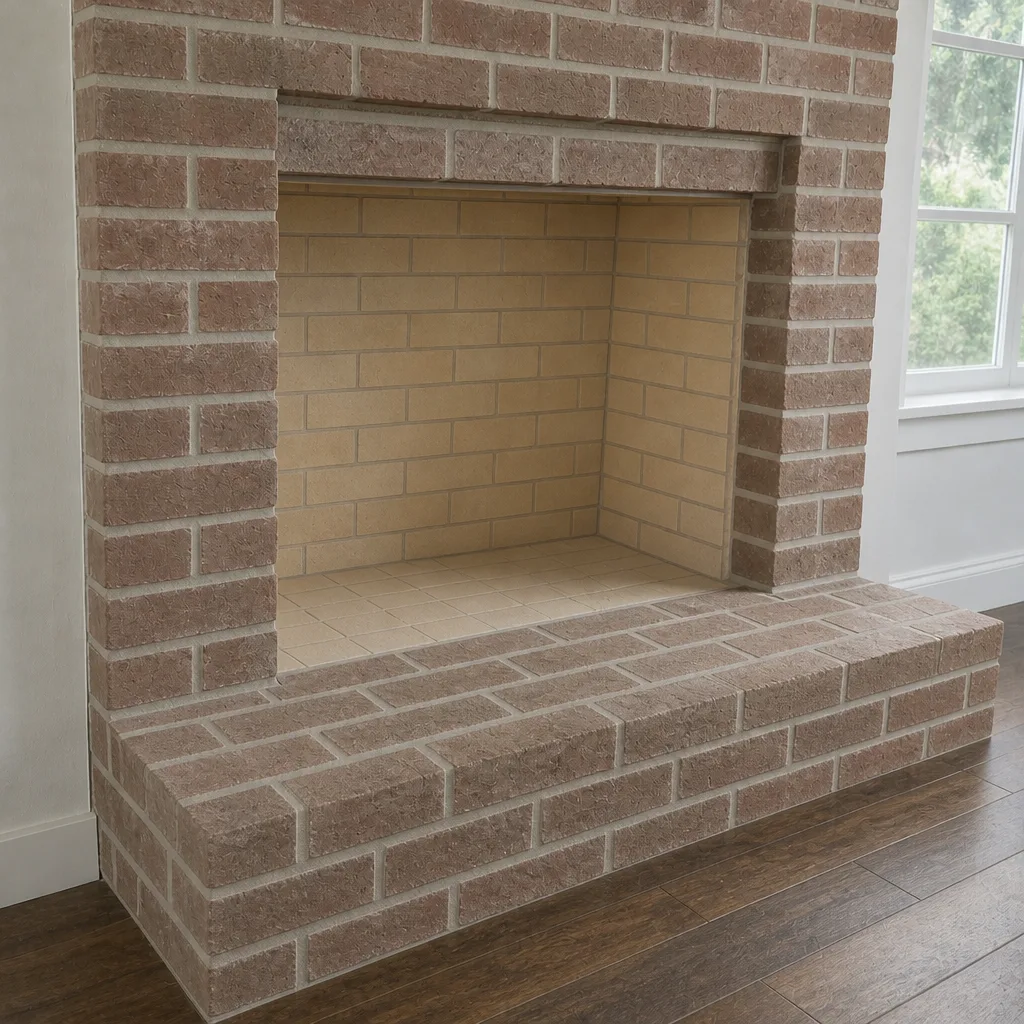
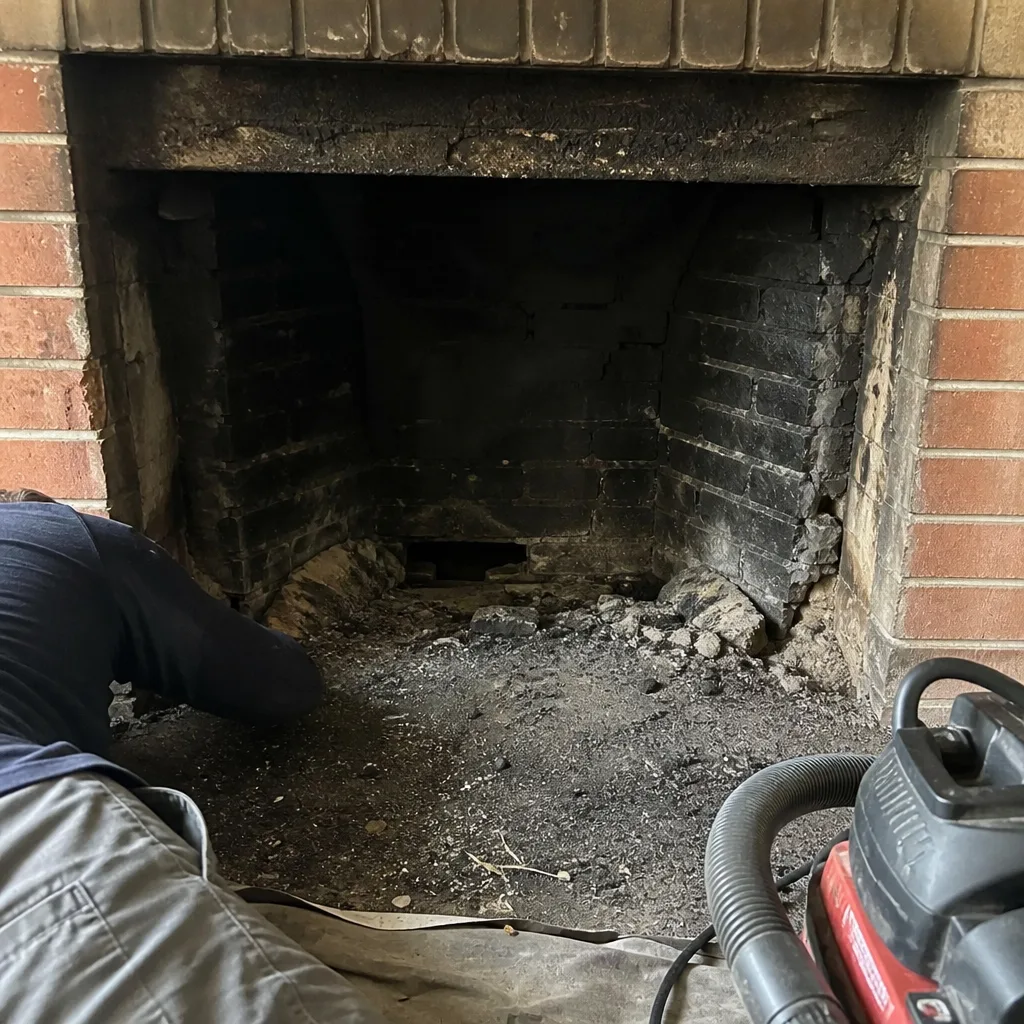
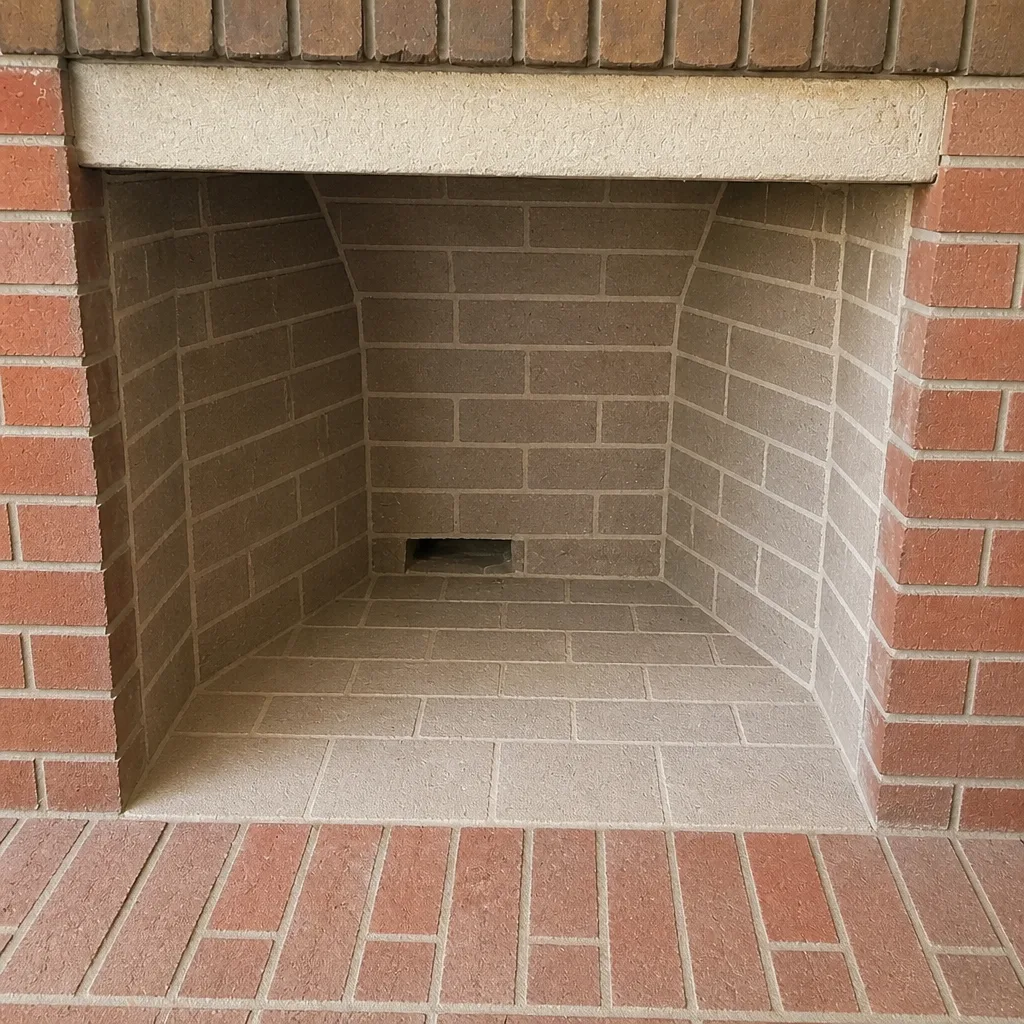
See the difference
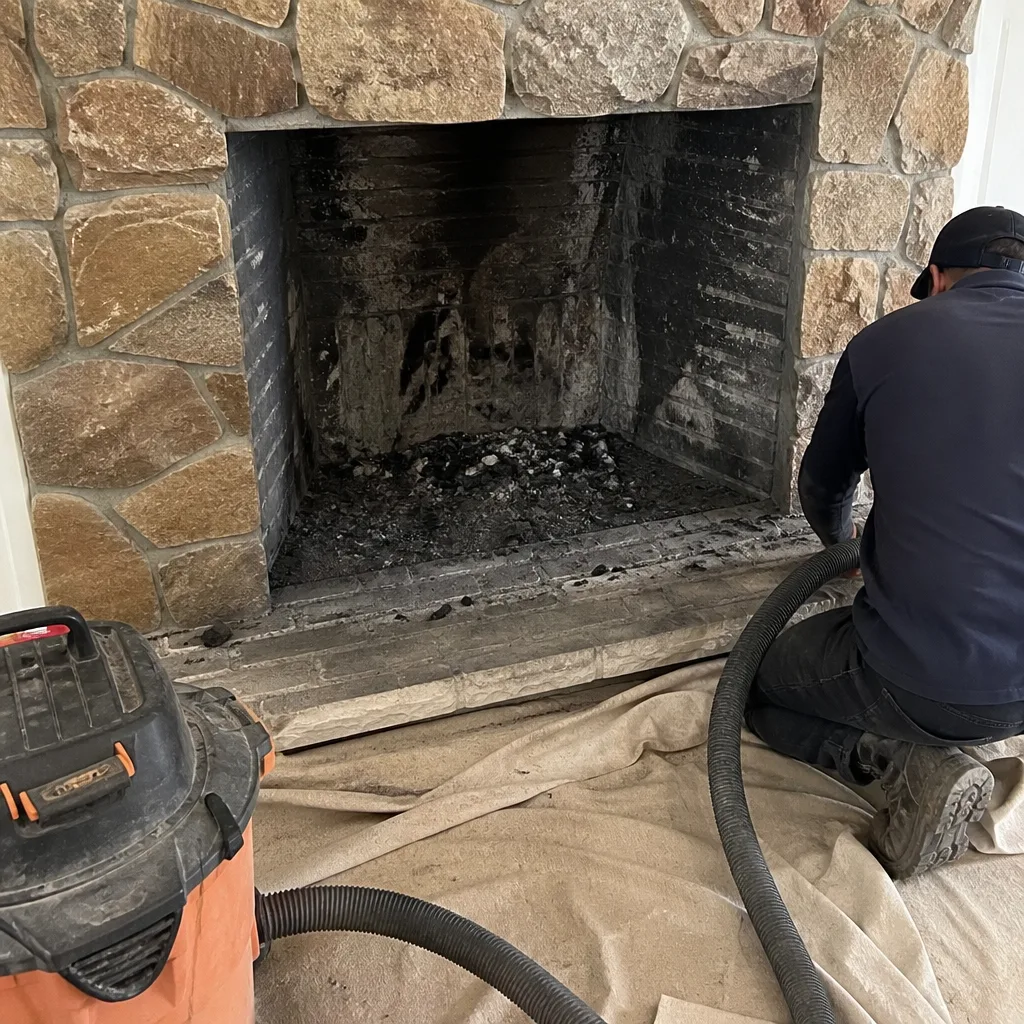 Before
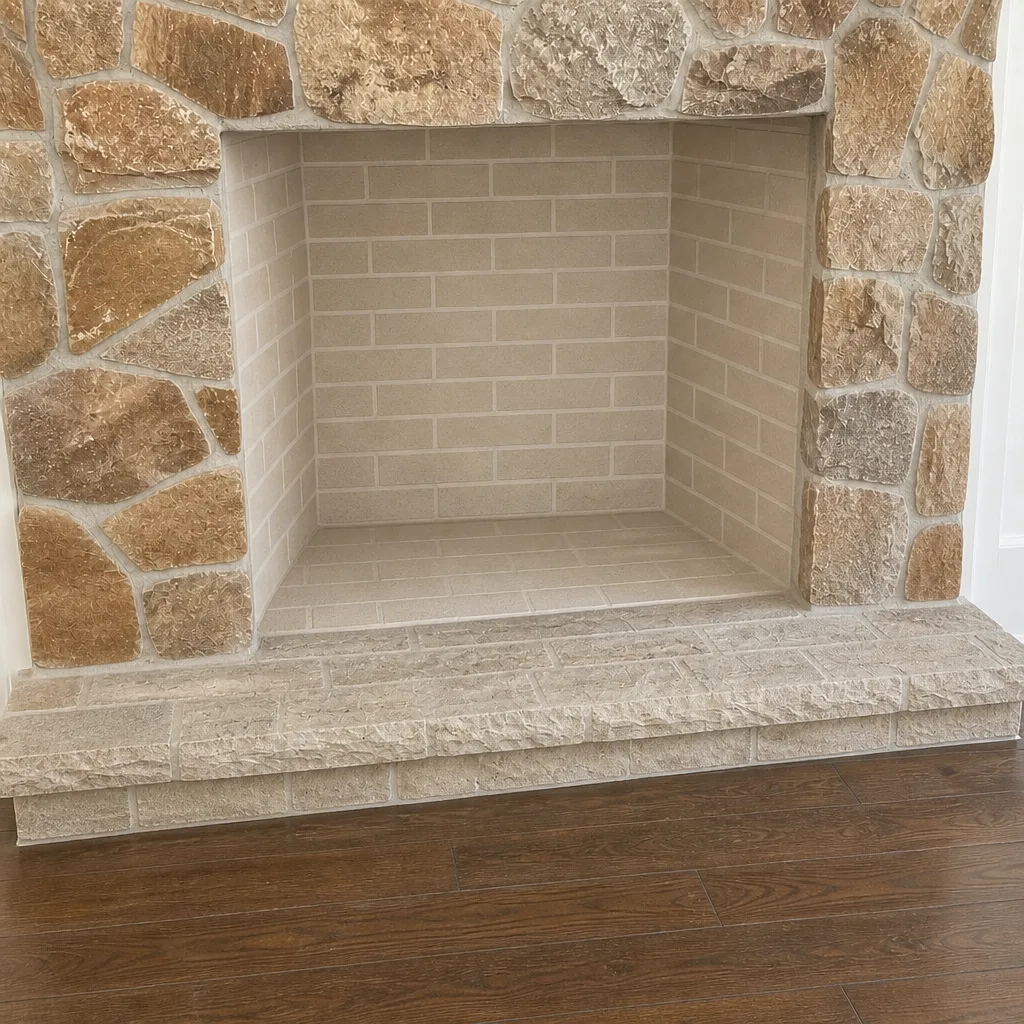 After
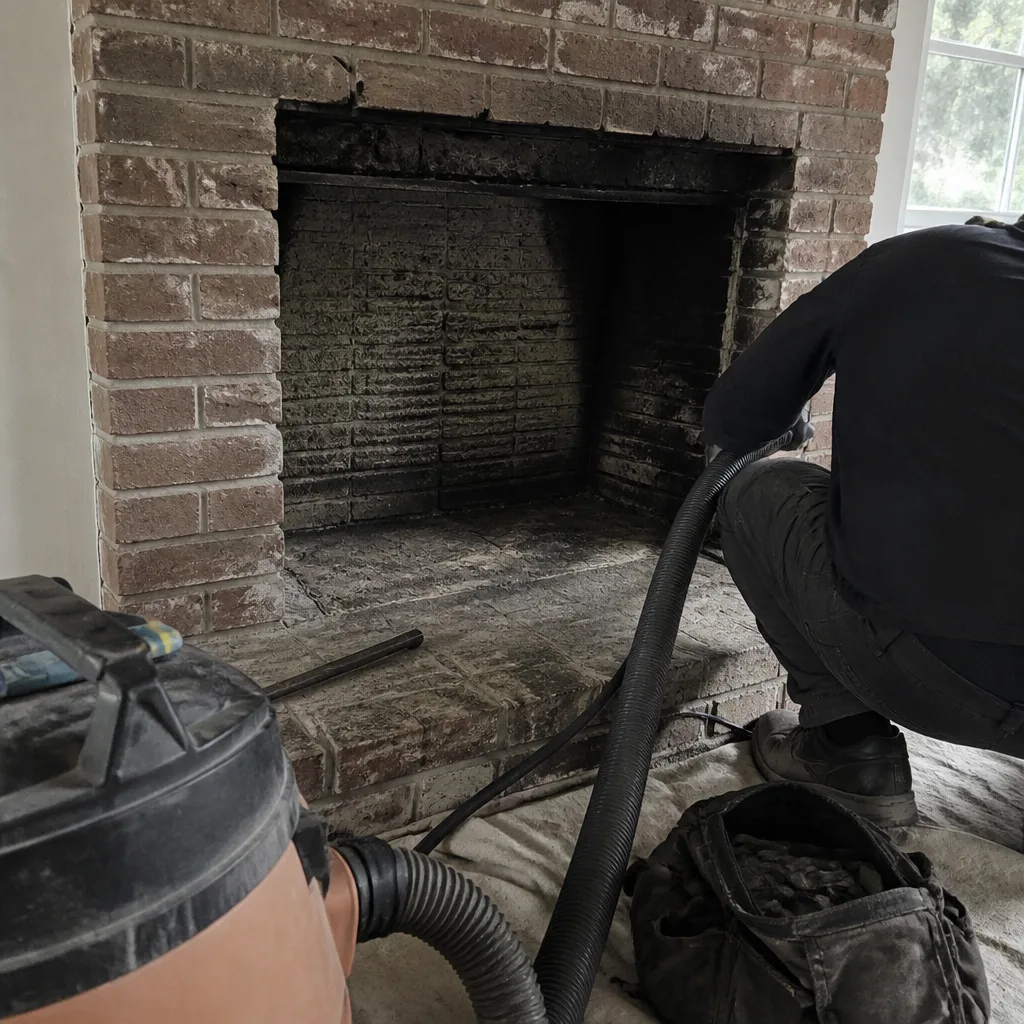 Before
 After
 Before
 After
When to Call a Professional
Call a chimney specialist when you’re about to authorize any repair work on a flue, crown, firebox or chimney structure, because the permit question needs answering before the work starts, not after. Call us when you’ve received a quote you can’t verify, when a contractor can’t name the standard their liner meets, or when a home inspection has flagged the chimney. Call before burning season if you use a wood-burning fireplace regularly, and call if you’ve noticed a cracked crown, a missing cap, crumbling mortar on the stack, or a damper that no longer seals. And call if you’re buying or selling a home in Turtle Rock and need a written condition report. Chimney Sweep Turtle Rock offers free estimates in Turtle Rock. Call (833) 408-3854. We answer 24/7. Fast dispatch from 7am to 7pm, Sunday through Friday.
Frequently Asked Questions
No. A routine chimney cleaning, meaning a sweep to remove creosote and soot, does not require a permit in Turtle Rock. The permit question only arises when the work shifts to repair, such as relining a flue, replacing a crown, rebuilding a firebox, or changing the chimney structure. Call (833) 408-3854 for an exact quote on a sweep, and we’ll flag if anything we find crosses into permitted repair.
Yes, in most cases. A chimney reline is a repair to the flue system and typically requires a permit through the City of Irvine building department, and the new liner must meet California code and the UL 1777 standard. Confirm the current requirement with the city before work begins, and insist the permit be pulled before the crew arrives. Call (833) 408-3854 if you’ve been quoted a reline and want to talk through the documentation.
A chimney inspection is a condition report: a trained technician documents the health of your flue, firebox, crown and cap. A code compliance inspection is an official sign-off by a municipal inspector confirming that permitted work meets code. You need the condition report to decide what work to do, and the compliance sign-off to prove permitted work was done correctly. Call (833) 408-3854 to book a standalone inspection.
Look up the permit record with the City of Irvine building department using the property address. Permits are public record, and the building department can tell you whether a permit was ever issued for chimney work, what scope it covered, and whether it was ever inspected. If the record shows an open permit that was never closed out, that’s a defect you’ll want to address before a sale. Call (833) 408-3854 if you need a current condition report to compare against the record.
Unpermitted chimney repair can surface as a defect on a home inspection report during a sale, and the seller, not the contractor, typically bears the cost to remediate. It can also complicate an insurance claim if the chimney is ever involved in a loss. Getting a current inspection report documents the condition now, and correcting the paperwork or the work puts you back in a defensible position. Call (833) 408-3854 to schedule an inspection and start there.
The standard guidance is once a year for a chimney in regular use, and more often if you burn heavily or notice buildup. Mild winters in this area mean some homeowners burn less than they think and delay the sweep, which lets creosote accumulate across several seasons. A sweep also includes a look at the crown and cap, which is where water damage tends to start here. Call (833) 408-3854 for an exact quote on a sweep for your chimney.
Sometimes, but only when a condition report says so. Some findings are cosmetic and can be disclosed to a buyer, while others, like a compromised flue or an open permit, will come up in due diligence and can cost you at the negotiating table. The only way to know which category your chimney is in is a written inspection. Call (833) 408-3854 and we’ll tell you plainly when work can safely wait and when it can’t.
The Bottom Line
In Turtle Rock, a chimney cleaning doesn’t need a permit. A chimney repair usually does. The City of Irvine building department, California code and the UL 1777 standard on liners are all part of what “up to code” means, and the paperwork proving permitted work was done is the thing that protects you at an insurance claim and at sale. A CSIA-style inspection report tells you the condition of your chimney; a code compliance sign-off proves the repair was legal. Get both, keep both, and don’t let a repair get authorized without the permit in hand. When you need a sweep, an inspection, or a repair done right, we handle the full chimney system, from the firebox to the crown.
Call (833) 408-3854 for a free estimate. We answer 24/7. Fast dispatch from 7am to 7pm, Sunday through Friday.
Written by the team at Chimney Sweep Turtle Rock.