
Last updated November 24, 2026
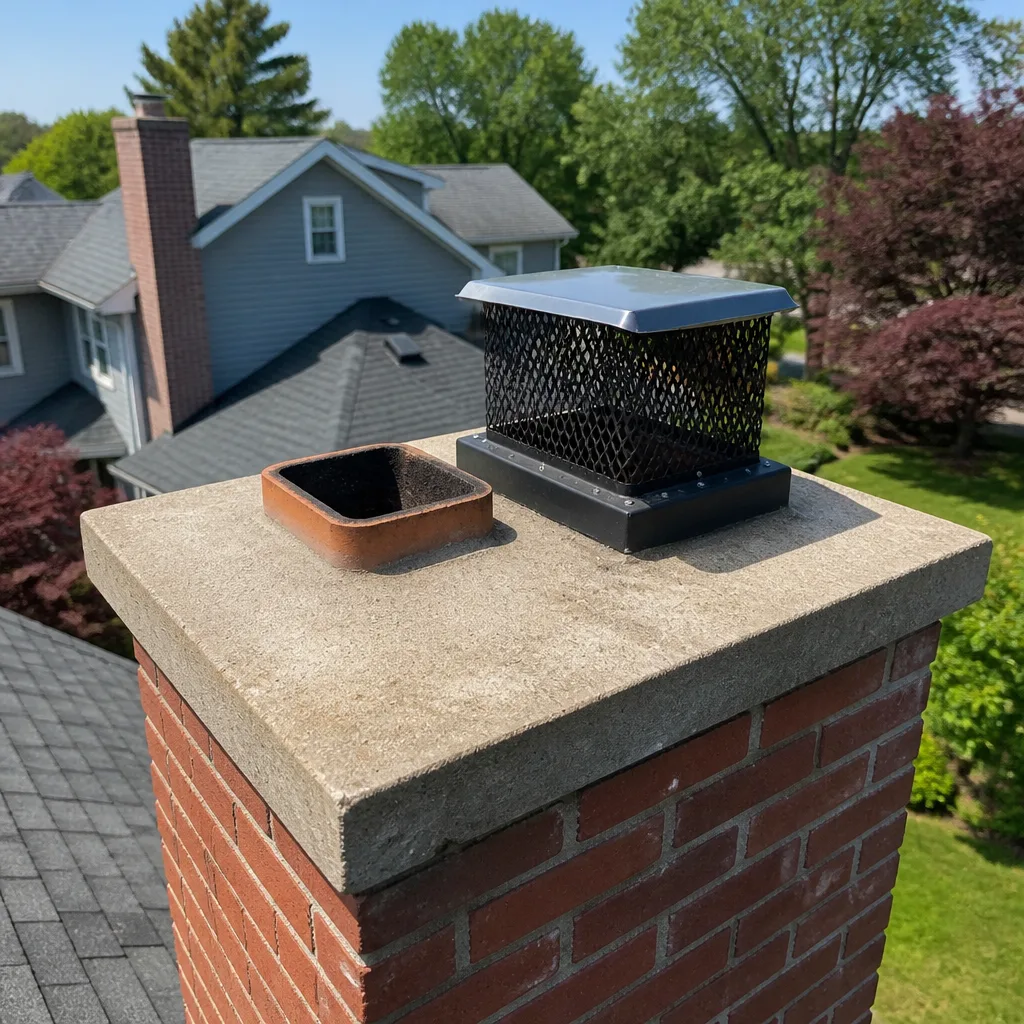 Sweep & inspection
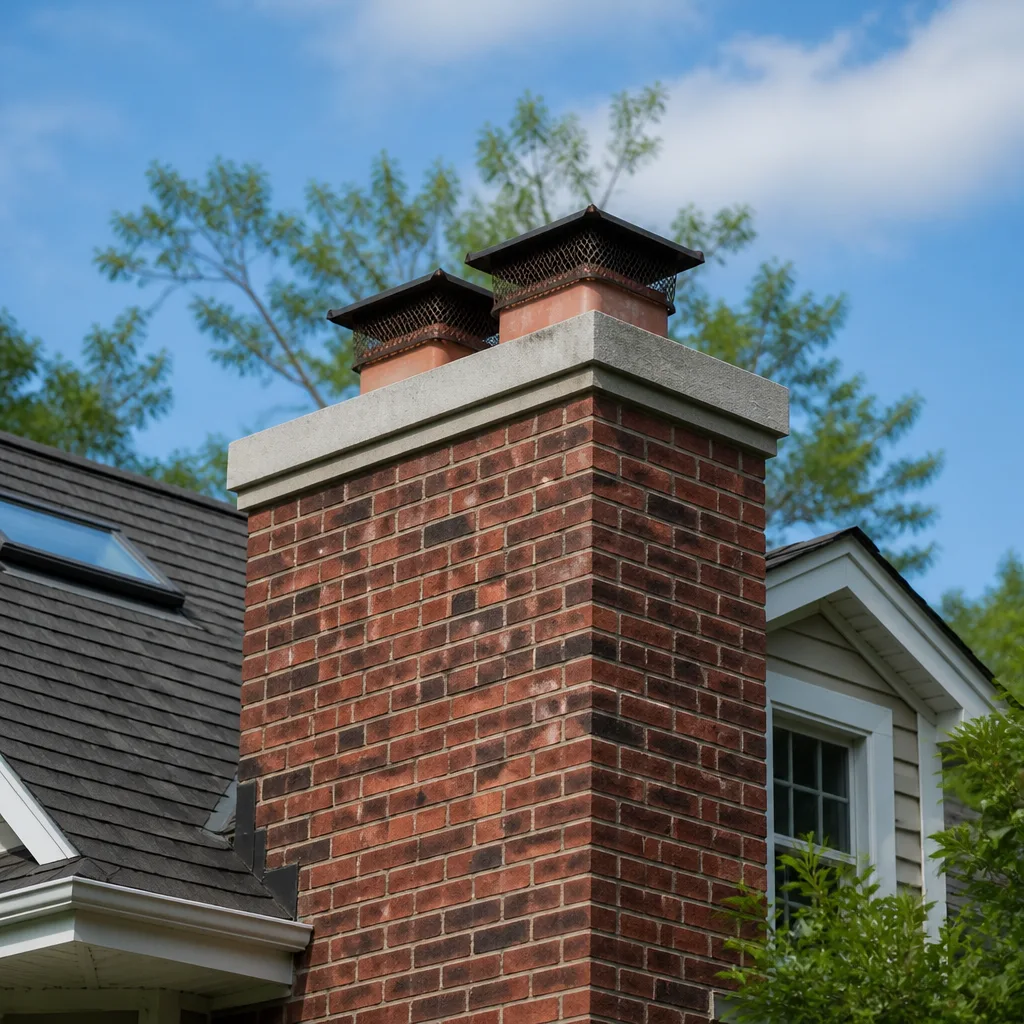 Caps & crowns
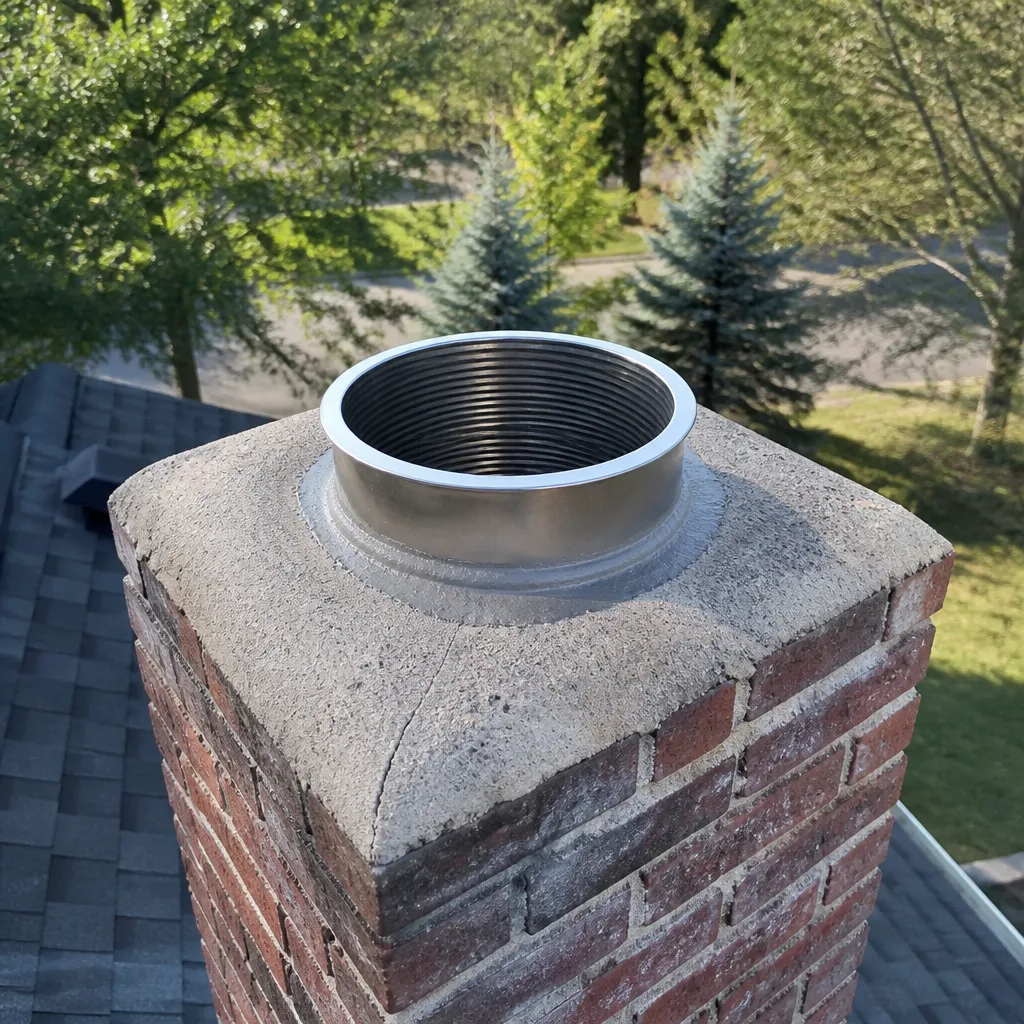 Flue relining
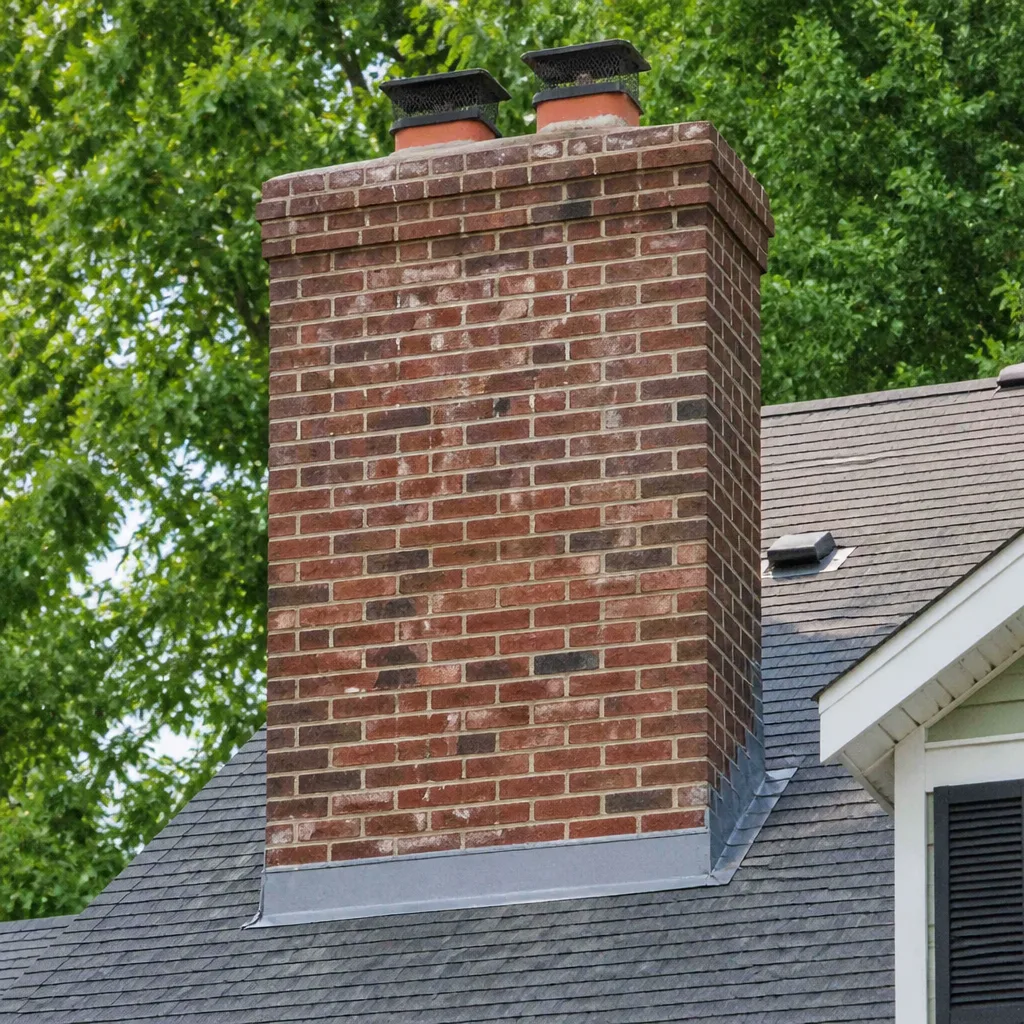 Masonry repair
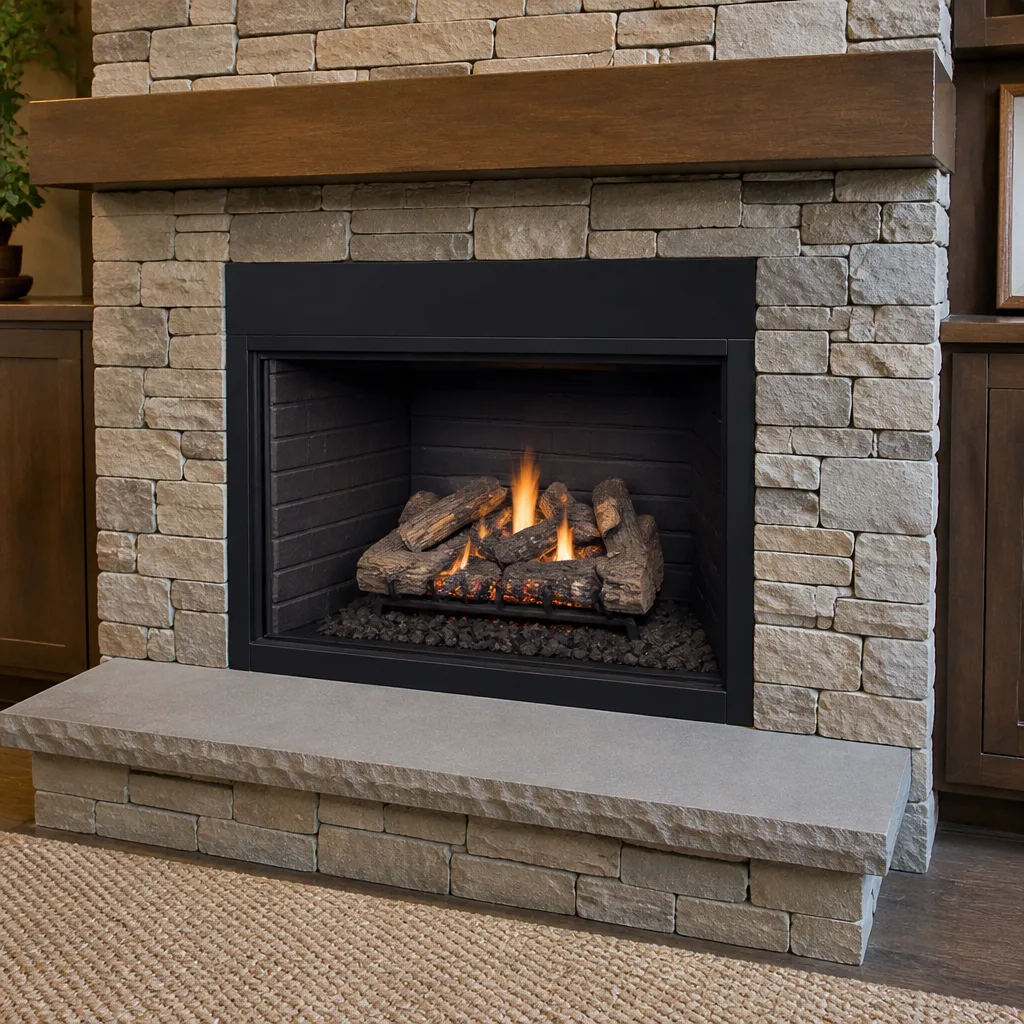 Gas fireplace service
Level 1 sweep and inspection to the NFPA 211 annual standard - flue, crown, cap, and flashing checked and photographed
Chimney sweep logs do not sweep chimneys. They loosen some creosote - which then falls where a brush and vacuum still have to collect it.
DIY vs Professional Chimney Cleaning: The Turtle Rock Homeowner’s Decision Guide
Chimney brush kits arrive with everything you need to knock loose soot off the firebox walls and nothing you need to know whether the flue liner behind that soot is cracked, spalling, or coated in glazed creosote. That gap, between what a brush can reach and what a camera can see, is where most chimney fires begin. This guide walks Turtle Rock homeowners through exactly what a DIY cleaning can and cannot accomplish, what a professional brings that a homeowner can’t replicate, and how to decide which path makes sense for your fireplace this season.
Quick Answer
A homeowner can remove surface soot and light creosote from an accessible flue with a brush kit, but cannot evaluate the liner, the smoke chamber, or the crown, which is where chimney fires and water damage actually start. For most Turtle Rock homes burning wood regularly, a professional sweep and inspection once a year is the safer and more economical choice because the diagnostic work happens alongside the cleaning.
Styles & brands we work with
- Sweep & inspection
- Caps & crowns
- Flue relining
- Masonry repair
- Gas fireplace service
Table of Contents
- The Real Question: Diagnostic Access, Not Cost
- What DIY Chimney Cleaning Can and Cannot Do
- The Equipment Gap: What a Professional Brings
- Turtle Rock Risk Factors That Raise the Stakes
- When DIY Maintenance Between Visits Actually Helps
- The Insurance and Liability Question
- How a Professional Sweep Actually Works
- How to Choose a Chimney Specialist in Turtle Rock
The Real Question: Diagnostic Access, Not Cost
The DIY versus professional chimney cleaning debate usually centers on the cost of a brush kit compared to the cost of a sweep. That framing misses what actually matters. A brush and a shop vacuum can move soot from point A to point B. They cannot tell you whether the flue tile behind that soot has a hairline crack, whether the smoke chamber has a shelf of creosote that’s been building since the previous owner, or whether the crown at the top of the chimney has separated from the flue by a quarter inch.
In our experience across Turtle Rock, that diagnostic piece is the difference between a clean chimney and a safe one. A flue can look spotless from the firebox and still have a cracked tile three feet up that lets heat reach the wood framing of the house. That’s not a scare tactic, it’s just how masonry chimneys fail: from the inside out, in places a brush never touches.
So the decision isn’t really DIY-or-pro. It’s whether you’re comfortable cleaning a system you cannot see into. For a homeowner with a factory-built fireplace insert and a straight, short flue, that answer might reasonably be yes, provided you have a professional inspect it once a year. For a masonry chimney in an older Turtle Rock home, the answer is almost always no, because the failures that matter happen out of sight. If you want a clear condition report before any work happens, an independent chimney sweep visit is the starting point.
What DIY Chimney Cleaning Can and Cannot Do
There’s no reason to hedge here. DIY chimney cleaning has real limits, and knowing them prevents both wasted effort and false confidence.
What a homeowner can realistically accomplish
- Remove loose soot from the firebox walls, damper, and the first several feet of flue
- Brush down light, powdery creosote (the kind that flakes off easily) from an accessible straight flue
- Clear a bird’s nest or leaf debris from the top of the flue if you can safely reach the roof
- Vacuum the firebox floor and smoke shelf area with a HEPA shop vacuum
- Keep ash buildup under control between professional visits
What a homeowner cannot do without professional equipment
- Evaluate the condition of flue tiles (cracks, spalling, gaps at the joints)
- Detect glazed, tar-like stage-three creosote, which a brush will not remove
- Inspect the smoke chamber and the offset above the damper
- Check the crown, cap, and flashing from a safe position on the roof
- Measure draft with a pressure gauge or verify the flue is sized correctly for the appliance
- Perform a camera inspection of the full flue length
The glazed creosote point deserves emphasis. That shiny, hardened layer is what ignites during a chimney fire, and no brush removes it. It requires a chemical solvent or a rotary system, which is a professional tool. A homeowner who sweeps their own chimney repeatedly and sees “clean” results may actually be looking at a flue that hasn’t been truly cleaned in years. In Turtle Rock’s mild climate, wood burning tends to be seasonal and concentrated into the cooler evenings, which can actually accelerate glazed creosote formation because the fire runs hot then cools repeatedly rather than burning steadily all winter.
The Equipment Gap: What a Professional Brings
The equipment difference between a homeowner’s brush kit and a professional sweep setup isn’t about size. It’s about what each tool lets the technician see and reach. Here’s what a trained chimney professional in Turtle Rock typically brings to the job:
- Rotary sweeping systems with flexible rods. These follow the flue’s bends and offsets, scrubbing the full interior surface rather than just the straight vertical sections.
- Camera scopes. A camera on a flexible rod lets the technician visually inspect the entire flue from the firebox to the cap, photographing any cracks, gaps, or creosote staging for the homeowner to see.
- Chemical creosote solvents. These break down glazed stage-three creosote that a brush simply polishes.
- Pressure and draft gauges. Draft measurement confirms the flue is pulling correctly, which matters on gas appliances as much as wood.
- Professional-grade liner components. When a liner repair is needed, we work with DuraFlex, HeatShield, Gelco, and Olympia Chimney products, which are the same materials commercial contractors use.
- HEPA vacuums with sealed hoses. A proper containment setup means no soot plume through the living room when the brush hits a dirty flue.
The camera scope is the single most important tool in that list. Everything a homeowner is being asked to spend money on should be justified by what the camera shows. That’s why we offer standalone chimney inspections, so you can get a clear condition report before committing to any repair work. Our technicians have up to 14 years of experience reading what these tools show them, and none of that expertise replaces the tools themselves.
Turtle Rock Risk Factors That Raise the Stakes
Turtle Rock is not a place where chimney problems tend to announce themselves. The climate is mild enough that many homeowners burn intermittently, and the housing stock is a mix of older masonry chimneys and newer builds with factory-built fireplaces. Both kinds have specific failure modes worth knowing.
In the older masonry homes around Turtle Rock, original clay flue tiles are the concern. Clay tiles crack as they age, and a crack thinner than a hairline can let enough heat through to ignite framing. Without a camera inspection, that crack is invisible. If the tiles are spalling, HeatShield resurfacing is often the right repair, a specialty most sweep-only operations don’t offer. It restores the flue interior rather than replacing the whole liner.
In newer Turtle Rock homes with factory-built fireplaces, the concern shifts to the liner and the cap. Manufacturer liners have a rated service life, and once they degrade, they need replacement with a DuraFlex-class liner matched to the appliance. Water intrusion is the other local constant: the cap and crown are the two most common sources of water damage on a chimney, and in a region where rain comes in short bursts rather than snowmelt, a small crown crack can soak the smoke chamber before anyone notices the ceiling stain.
Building code is the third factor. Most cities require a permit for chimney and structural repair work, and a documented inspection report from a professional is generally what a homeowner needs to pull one. As a Turtle Rock homeowner, it’s worth confirming with the local building department what applies to your specific chimney before any major repair. What we can say is this: the paperwork trail starts with a real inspection, not with a DIY cleaning log.
When DIY Maintenance Between Visits Actually Helps
DIY isn’t the enemy here. It’s the false confidence that DIY cleaning creates that causes problems. Between professional annual sweeps, a homeowner can do real, useful things that extend the life of the system and reduce creosote buildup, and none of them require reaching into the flue.
- Burn seasoned wood only. Well-dried firewood produces less creosote than green or wet wood. Checking moisture with a meter is a five-dollar habit that pays off all season.
- Don’t smolder the fire. A damped-down, smoky fire deposits more creosote than a hot, active one. Let the fire burn well rather than banking it overnight.
- Keep the firebox clear of excess ash. A modest ash bed helps, but buildup crowds the firebox and reduces clean burn.
- Watch for visible changes. If you see black staining at the top of the firebox, a cracked tile at the damper, or water inside the firebox during rain, that’s a call to a professional, not a brush session.
- Note any change in draft. A fireplace that used to pull well and now doesn’t is trying to tell you something. Draft changes often mean obstruction or liner damage.
What doesn’t help is hitting the flue with a brush and calling it done for the year. A homeowner can remove enough soot to feel accomplished while leaving the actual problem, whether glazed creosote, a cracked tile, or a failing crown, entirely untouched. That’s the false confidence that costs people money, because the invisible problem keeps getting worse until it becomes a repair rather than a cleaning.
The Insurance and Liability Question
Homeowners in Turtle Rock sometimes ask how their insurance treats a chimney fire after a history of DIY-only maintenance. The honest answer is that it varies by policy, and no guide can promise you a specific outcome. What we can say is that the general pattern in the industry is that insurers look at what caused the loss. A documented history of professional periodic inspections tends to make a claim easier to resolve than a documented history of DIY-only maintenance, because it demonstrates the homeowner did the right thing to maintain the system.
That’s not a scare point, it’s a paperwork point. A chimney fire is an event that gets investigated. The investigator will want to know when the chimney was last cleaned and by whom. If the answer is “the homeowner has been sweeping it themselves for years with a kit from an online retailer,” the insurer is going to look harder at whether the maintenance was adequate. If the answer is “we have an annual professional sweep and inspection,” the conversation is much simpler.
There’s also the contractor side. When a repair is done by a sweep-only operator, the work may not carry the same kind of accountability as work done by a specialist who handles the full system. In Turtle Rock, we see the consequences of this occasionally: a homeowner calls us to fix a liner that was patched by a generalist, and the fix is more involved than it would have been originally. Chimney work is a specialty, and it should be treated that way.
How a Professional Sweep Actually Works
Here’s what a proper professional sweep visit looks like when it’s done right, so you know what to expect when you book one:
- Layout and containment. Drop cloths go down, a HEPA vacuum is staged, and the work area is protected before anything is touched.
- Inspection first, sweep second. The technician inspects the firebox, damper, smoke chamber, and flue before cleaning, so nothing gets brushed that shouldn’t be (a loose tile, for example).
- Rotary sweep of the full flue. The brush runs the entire flue length, from firebox to termination, following any offsets or bends.
- Camera inspection and photo report. This is the key step. You get photos of what the technician saw, so the recommendations don’t live only in someone else’s opinion.
- Check the top end. Cap, crown, and flashing are checked, because most chimney water damage starts there.
- Written condition report and estimate. If repairs are needed, you get a written estimate with the findings supporting it. Nothing is recommended without the camera evidence to back it up.
That sequence is why a professional sweep costs more than a brush kit. The cleaning is one step out of six. The other five are what protect your home and your wallet long-term. A standalone inspection can be booked independently if you want the report before any cleaning or repair, which is often the right first move on a home you’ve just bought in Turtle Rock.
How to Choose a Chimney Specialist in Turtle Rock
If you’ve decided the professional route makes sense, the next question is which professional. A few things to look for make the choice much clearer.
- Specialization over general range. You want a company whose entire service is chimney and fireplace work, not a general handyman who owns a brush. Full-system chimney specialists are accountable for everything from the firebox to the crown, not just the sweep.
- Brand-name materials. Ask what liner products they install. DuraFlex, HeatShield, Gelco, Olympia Chimney, and Famco are the professional-grade lines commercial contractors use. If the answer is “whatever the supplier has,” keep looking.
- Camera inspection as standard. Any recommendation should come with photos you can see for yourself. A sweep that ends with “you need a new liner, trust me” is not one you want.
- Standalone inspections. Ask whether you can book an inspection as its own service. If the answer is no, the inspection is probably being used as a lead-in to a repair rather than a genuine condition report.
- Clearly scoped cap and crown work. Since these are the two most common sources of water damage, the company should offer them as core services rather than afterthoughts or subcontracts.
At Chimney Sweep Turtle Rock, five core services cover the full system: chimney sweeping, chimney inspection, chimney repair, fireplace repair, and chimney cap & crown installation. We work with the professional product lines named above, and we handle both the fireplace interior and the chimney structure. The local pro we connect you with is licensed and insured as the state requires, and the estimate is always free. For more on the company’s broader work in the area, see Chimney Sweep Turtle Rock.
Common Mistakes to Avoid
- Assuming a clean-looking firebox means a safe chimney. The firebox is the one part of the system a homeowner can see. The problems live in the flue, the smoke chamber, and the crown, all of which are out of sight without a camera scope.
- Sweeping once and skipping the next five years. A Turtle Rock home that burns regularly should be swept and inspected annually, not when the chimney “looks dirty.” Creosote staging and liner cracks don’t announce themselves.
- Ignoring glazed creosote because a brush won’t budge it. The tar-like glaze is precisely the stage of creosote that causes chimney fires. A brush that skips over it feels like it’s doing the job when it’s actually leaving the danger in place.
- Reaching for a ladder and cleaning from the roof without a harness. Roof work is where most homeowner chimney-related injuries happen. There’s no DIY cleaning that’s worth a fall from a Turtle Rock roofline.
- Letting a general handyman patch chimney masonry. Chimney repair requires materials rated for the job, like those used in HeatShield resurfacing. A mortar patch that isn’t rated for flue temperatures will fail, and fail worse than the original tile.
- Never checking the crown after a wet winter. A cracked crown isn’t dramatic, but it soaks the smoke chamber every time it rains. Homeowners often discover the damage months later as an interior stain.
- Using an insurance claim as the first prompt for maintenance. The time to document a chimney’s condition is before something goes wrong, not after. Professional inspection records are what make a claim straightforward if it’s ever needed.
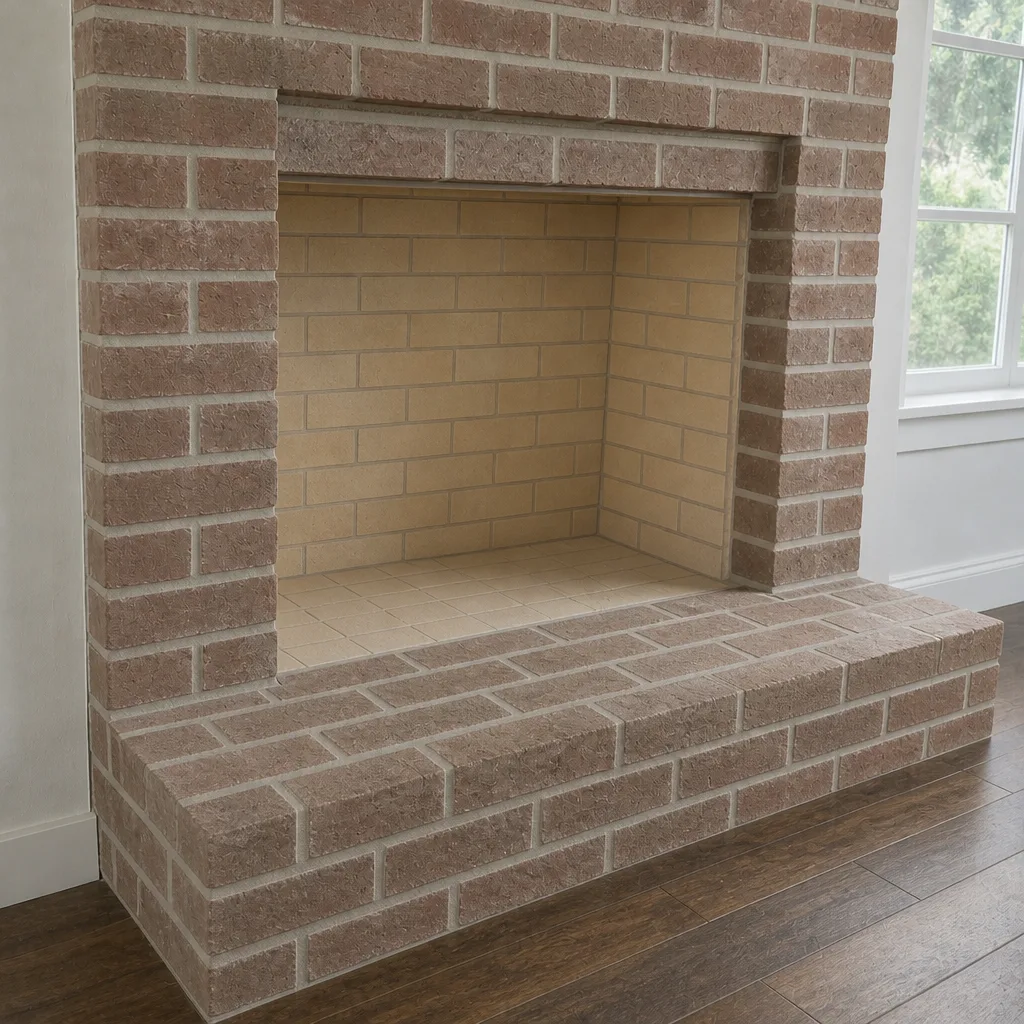
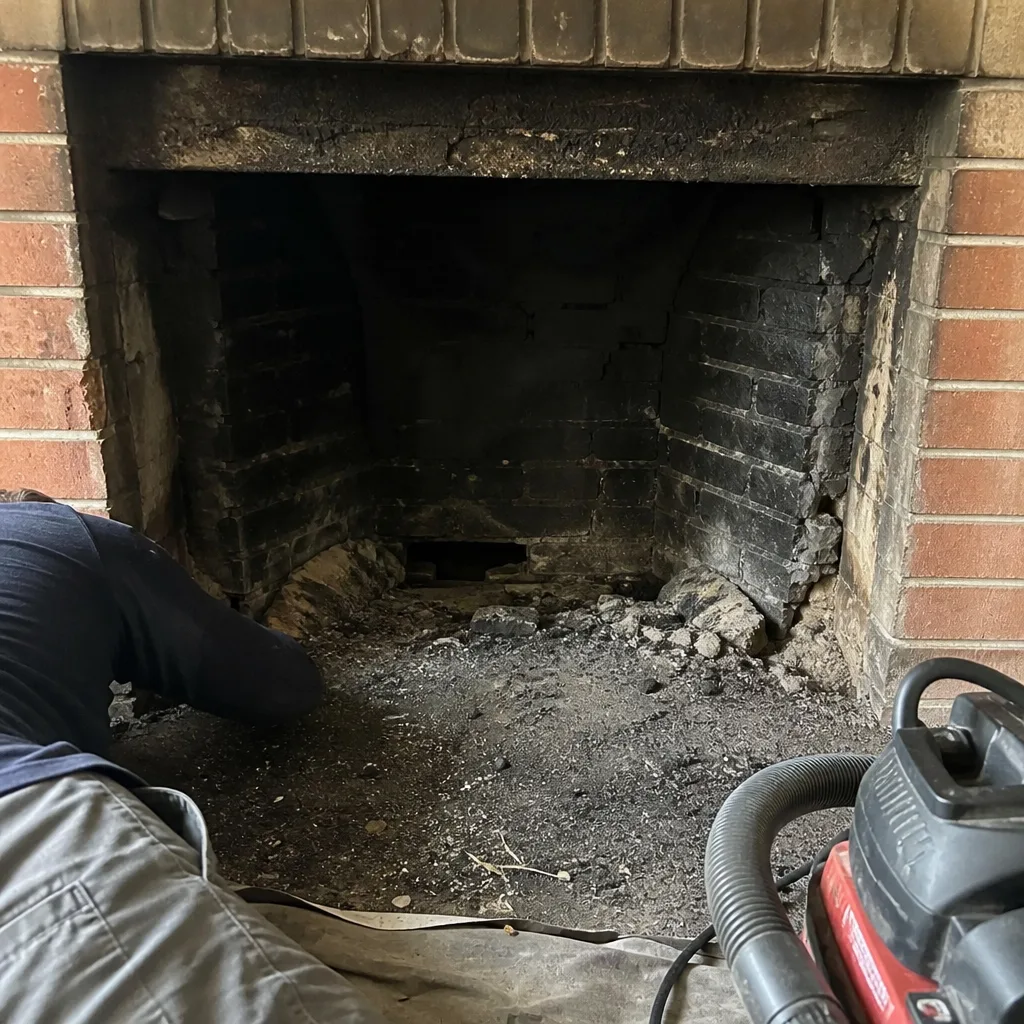
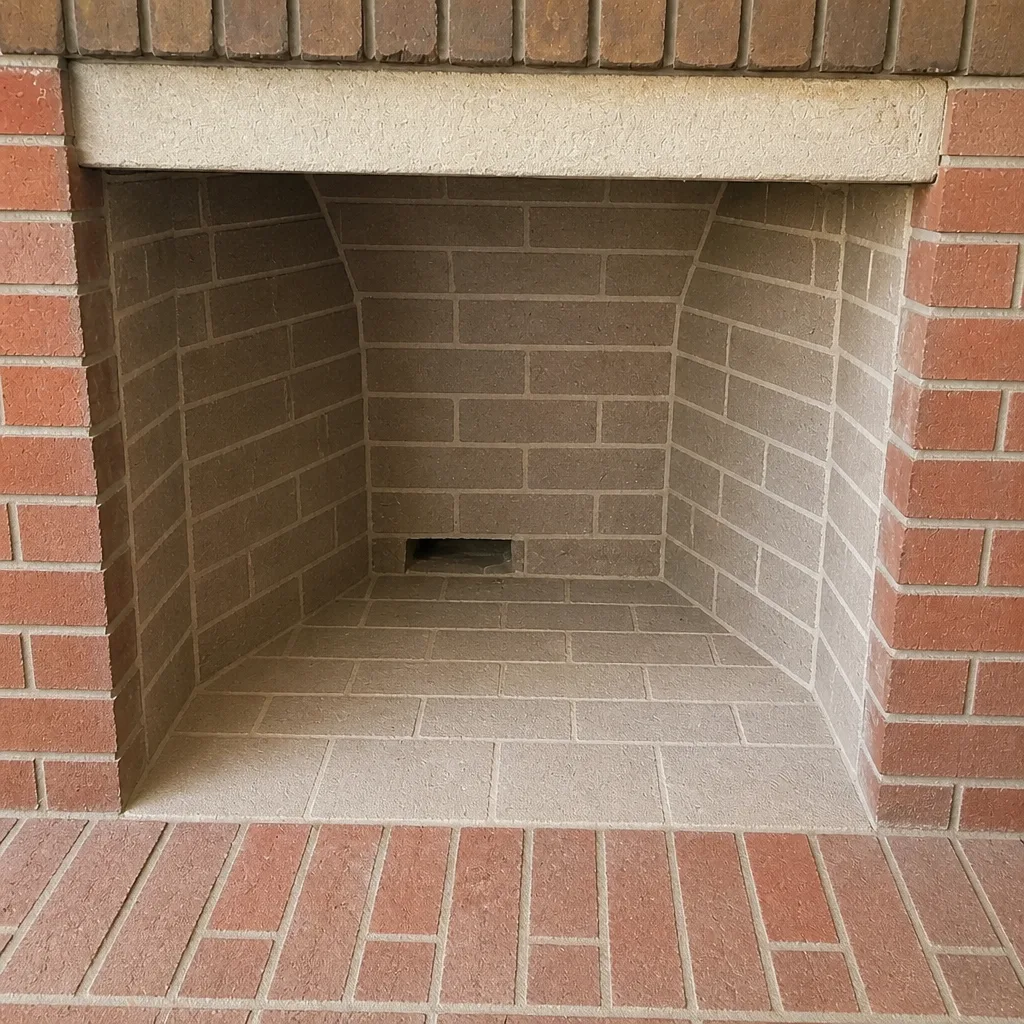
See the difference
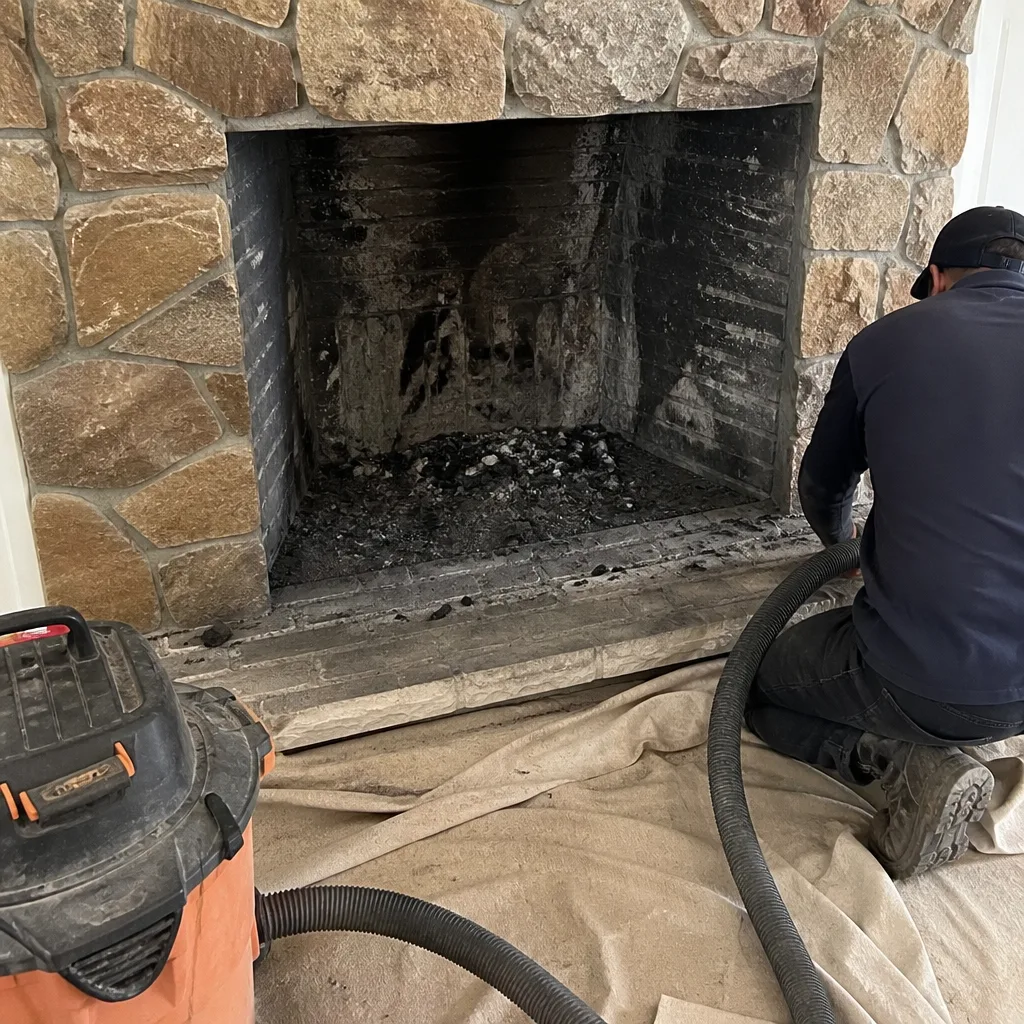 Before
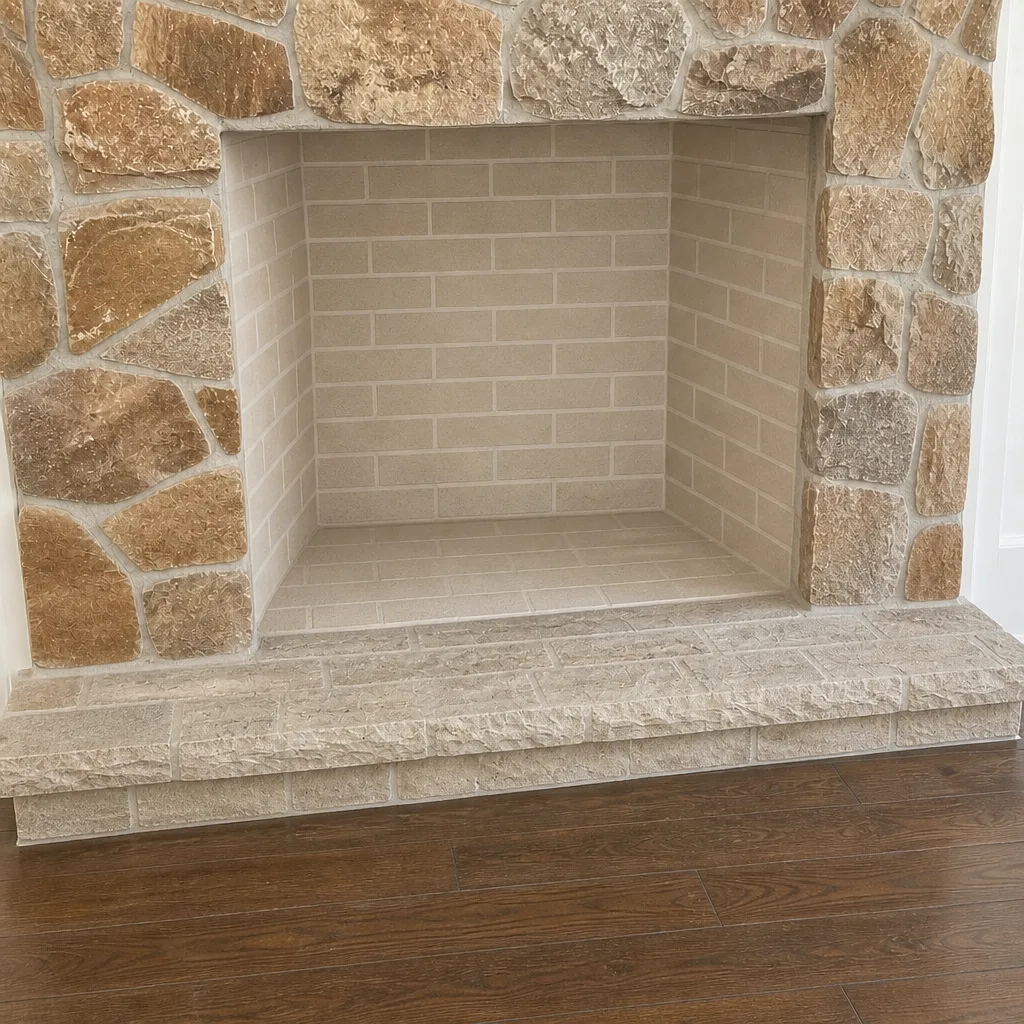 After
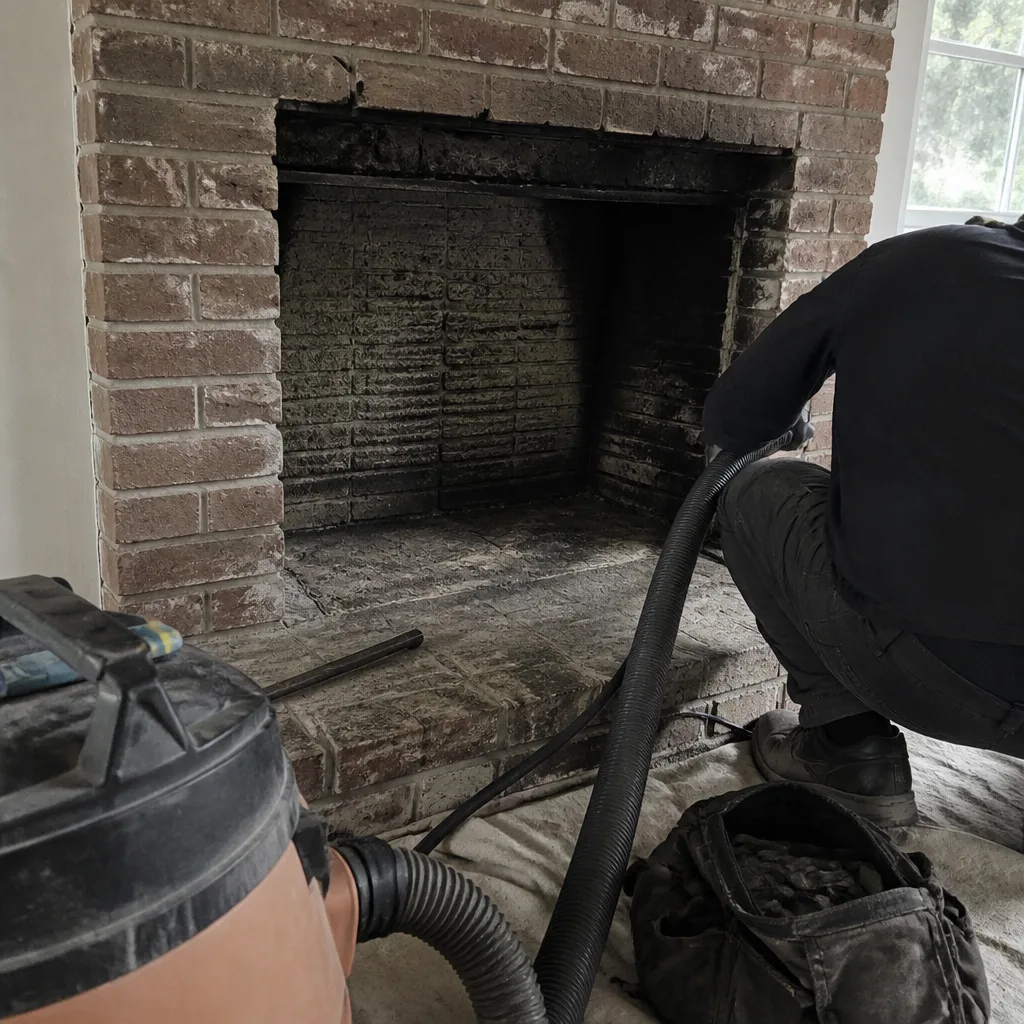 Before
 After
 Before
 After
When to Call a Professional
Some situations clearly call for a professional, not a brush kit. If you’ve just bought a home in Turtle Rock and don’t know the chimney’s history, book an inspection before you burn in it. If you see black staining at the top of the firebox, cracked tile at the damper, water inside the firebox during rain, or a draft that’s changed, those are diagnostic situations, not cleaning situations. If you’ve burned a full season without a sweep, get one before the next season starts. If you’ve noticed a strong creosote smell, or the fire smells smoky inside the house when it’s running, that’s a call. And if you can’t safely access your roof to check the cap and crown, a professional should do that check for you as part of the visit. Chimney Sweep Turtle Rock offers free estimates in Turtle Rock. Call (833) 408-3854. We answer 24/7. Fast dispatch from 7am to 7pm, Sunday through Friday.
Frequently Asked Questions
It’s legal to clean your own chimney, and a brush kit can remove surface soot and light creosote from an accessible flue. What you can’t do safely at home is evaluate the liner condition, the smoke chamber, or the crown, and those are the parts where chimney fires and water damage actually start. Clean your own chimney if you want to, but back it with a professional inspection once a year so the parts you can’t see get checked. Call (833) 408-3854 for an inspection quote with no obligation.
Once a year is the standard for a home that burns wood regularly, and it’s the schedule we recommend for most Turtle Rock fireplaces. A gas fireplace follows a similar annual cadence because the venting still needs inspection even though there’s no creosote. If you burn heavily through the cooler months, an inspection will tell you whether you need a mid-season sweep too. The camera findings make that decision straightforward. Call (833) 408-3854 to book it.
A typical professional chimney sweep in Turtle Rock is priced per job by written estimate, so the final number depends on your flue configuration, how heavy the creosote is, and whether a camera inspection is included. The written estimate sets the final price, and the estimate itself is free. There’s no service-call fee, and no charge to come out and look. Call (833) 408-3854 for an exact quote for your chimney.
Skipping a sweep means creosote keeps accumulating in the flue, and in a masonry chimney, cracks in the flue tile go unnoticed as they grow. At some point, either the creosote ignites or the cracked tile lets heat reach the framing, and both outcomes are serious house fires rather than inconveniences. Chimney fires often burn quietly, so a slow one can damage the structure before anyone notices. A yearly visit prevents that accumulation. Call (833) 408-3854 to schedule.
It can complicate the claim because insurers look at what caused the loss and whether the homeowner maintained the system properly. A documented history of professional periodic inspections tends to be simpler to resolve than a documented history of DIY-only maintenance. We can’t tell you how a specific policy will respond, but keeping professional records gives you a stronger position if you ever need to file. Call (833) 408-3854 and we’ll talk you through what a professional inspection record looks like.
Yes. A gas fireplace has no creosote, but it still has venting that needs checking for blockages, corrosion, and correct draft, and those failures can let carbon monoxide back into the house. Many Turtle Rock homes run a gas log set in a masonry fireplace, which still needs the same camera inspection a wood-burning chimney gets. A standalone inspection is available as its own service. Call (833) 408-3854 to book one.
The Bottom Line
The DIY versus professional chimney cleaning question comes down to diagnostic access. A homeowner can remove soot and light creosote from an accessible flue, and there’s no harm in doing that between professional visits. What a homeowner can’t do is evaluate the liner, inspect the smoke chamber, or check the crown from a safe position, and those are where the real fire and water risks live. For most Turtle Rock homes, an annual professional sweep and inspection is the more economical choice because it combines cleaning with the camera work that justifies every repair recommendation. Get the inspection first, look at the photos, and make the call with real information.
If you’re ready to schedule a sweep or a standalone inspection, or you’d just like to know what your chimney’s condition really is before you commit to anything, give us a call. Chimney Sweep Turtle Rock connects you with a specialist who handles the full system, from the firebox to the crown, using DuraFlex, HeatShield, Gelco, Olympia Chimney, and Famco professional product lines. Call (833) 408-3854 for a free estimate. We answer 24/7. Fast dispatch from 7am to 7pm, Sunday through Friday.
Written by the team at Chimney Sweep Turtle Rock.