
Last updated November 24, 2026
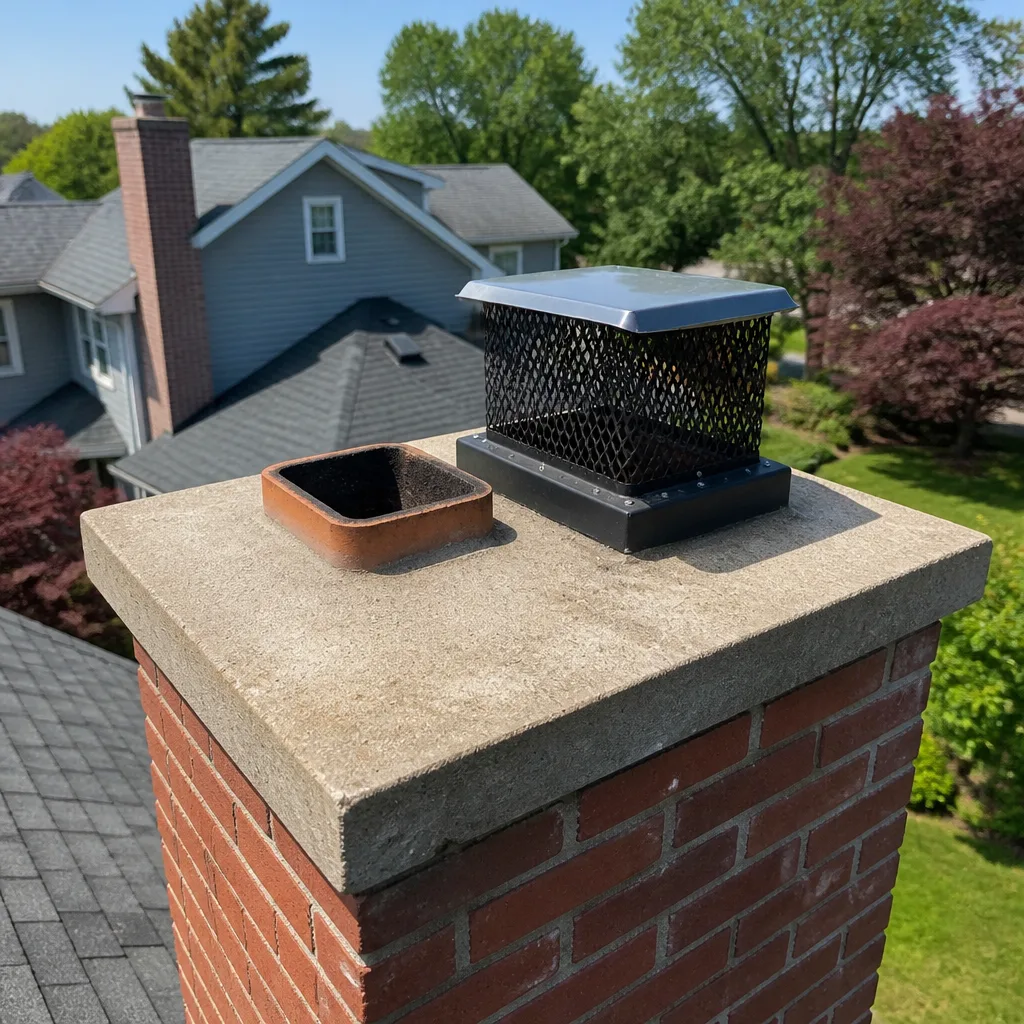 Sweep & inspection
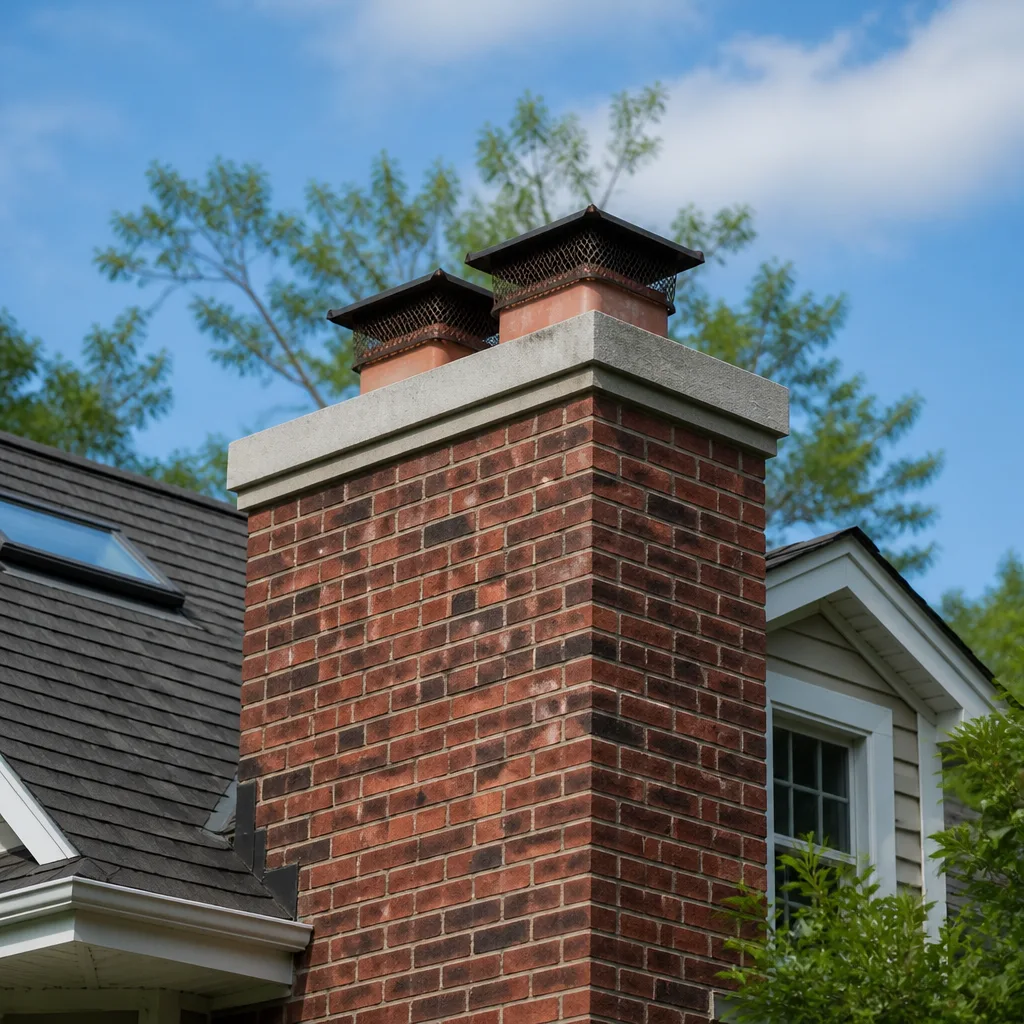 Caps & crowns
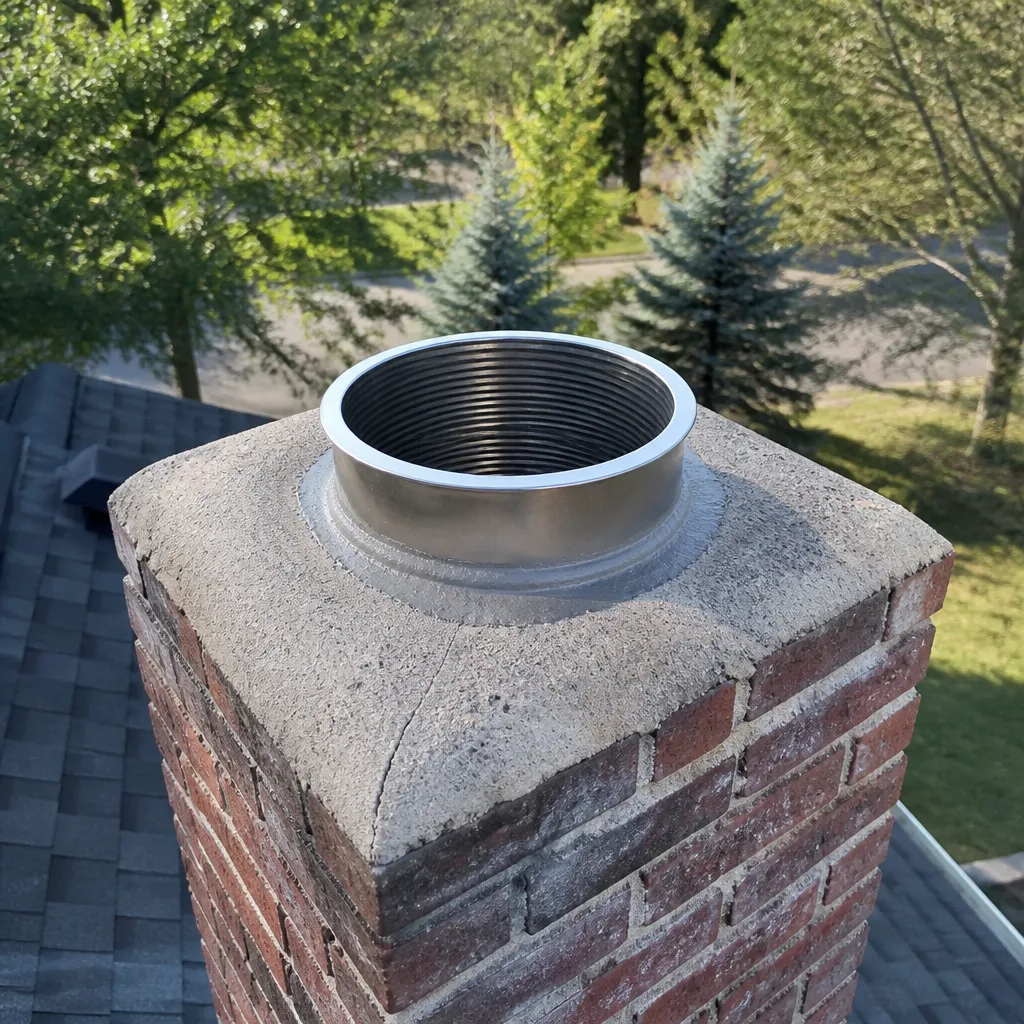 Flue relining
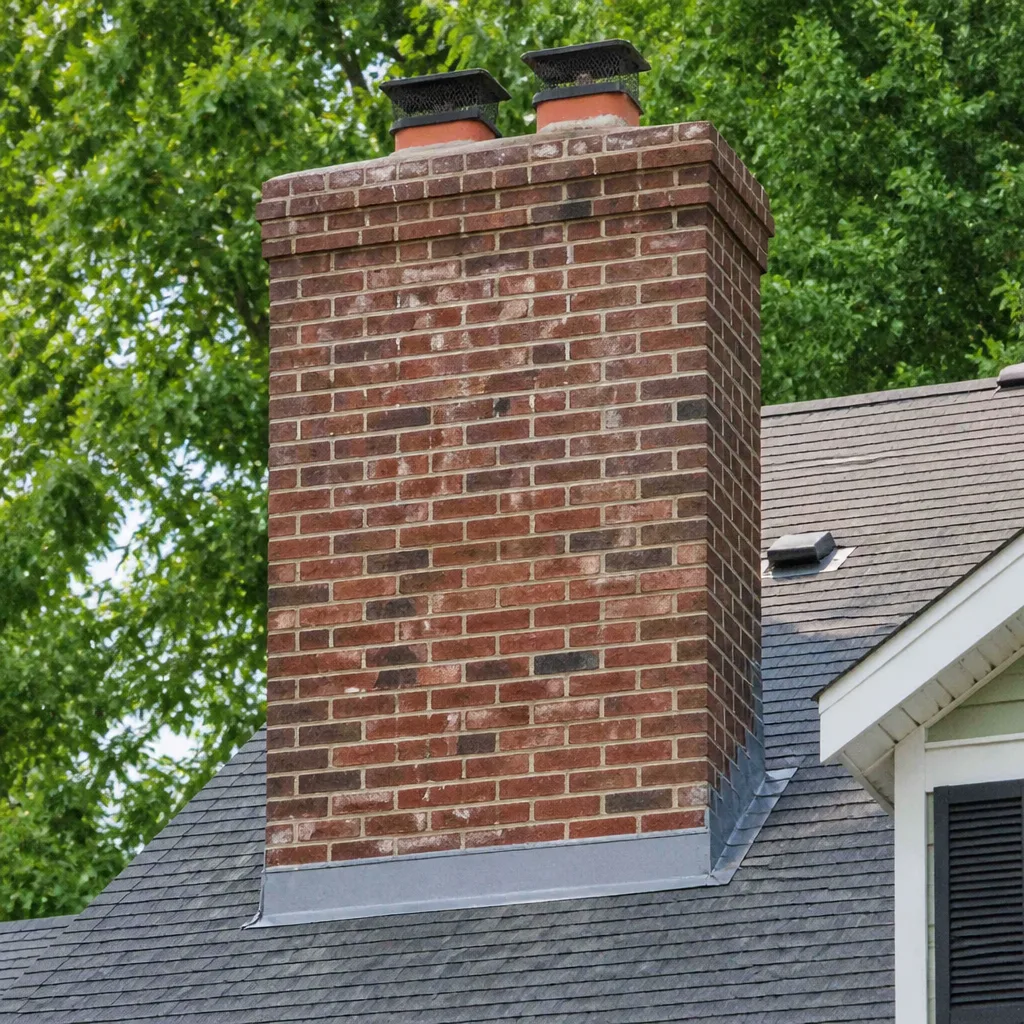 Masonry repair
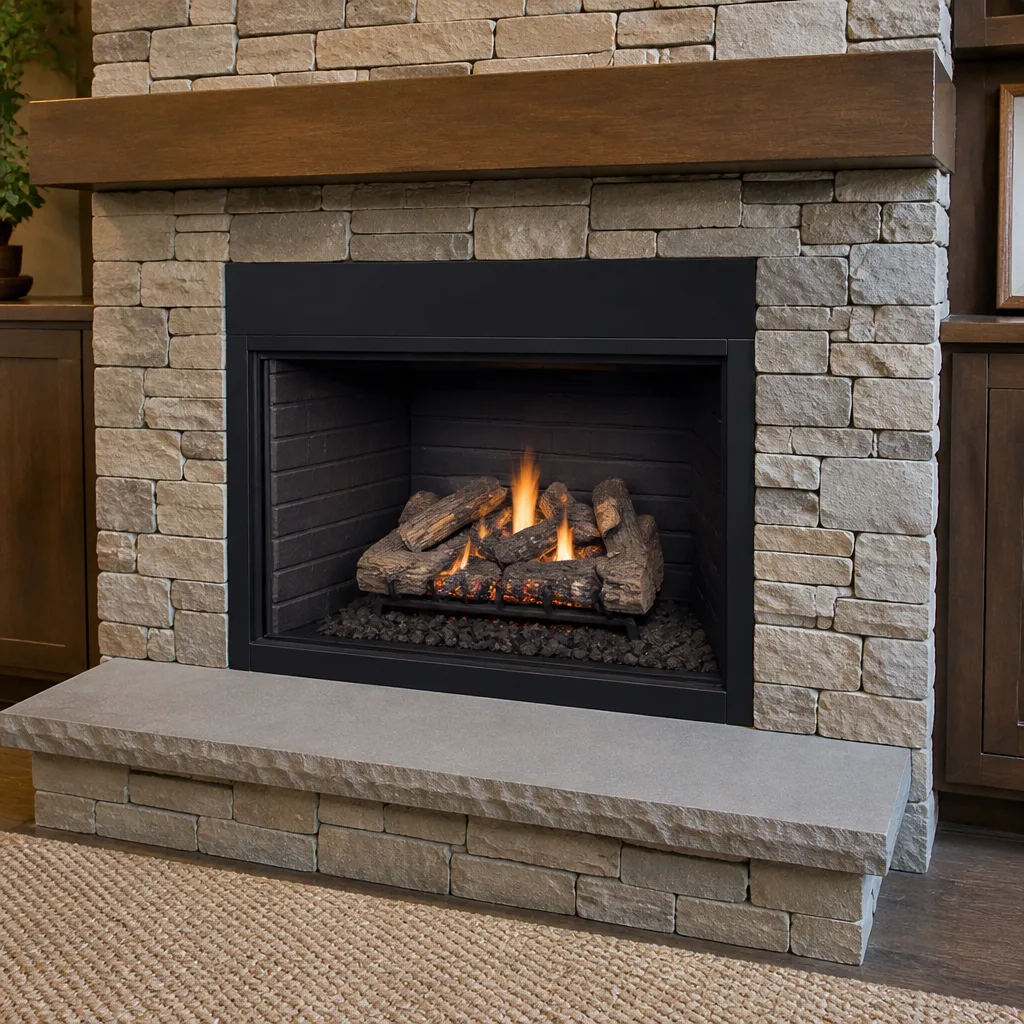 Gas fireplace service
Level 1 sweep and inspection to the NFPA 211 annual standard - flue, crown, cap, and flashing checked and photographed
Chimney sweep logs do not sweep chimneys. They loosen some creosote - which then falls where a brush and vacuum still have to collect it.
Choosing the Right Chimney Cleaning Brand: A Buyer’s Guide for Turtle Rock
Two chimneys in Turtle Rock can get what looks like identical repair work and end up with completely different outcomes. The variable usually isn’t the technician’s skill or the price on the invoice. It’s what went into the flue: whether the liner, sealant, and crown coating were professional-grade materials rated for residential flue temperatures, or the imported equivalents that cost far less and aren’t tested for that environment. Most homeowners never think to ask what brand of materials a sweep uses, which is exactly why some contractors don’t stock the good ones. This guide explains the product categories that matter in chimney work, what the certifications actually test, how to ask the right questions, and what we choose to stock at Chimney Sweep Turtle Rock and why.
Styles & brands we work with
- Sweep & inspection
- Caps & crowns
- Flue relining
- Masonry repair
- Gas fireplace service
Quick Answer
When people search for the best chimney cleaning company in Turtle Rock, the deciding factor isn’t the brush or the vacuum. It’s the materials behind the work: UL-listed liner systems, professional crown coatings, proper waterproof sealants, and rated creosote treatments. A company that can name the brands it installs, explain why, and show you the certification on the product is telling you what kind of repair you’ll get. One that can’t is guessing, and so are you.
Table of Contents
- What “Brand” Actually Means in Chimney Work
- The Four Product Categories That Decide Your Repair
- UL Listing and ASTM Standards: What They Test
- How to Ask a Contractor What They Use
- Why Some Contractors Avoid Quality Materials
- What Chimney Sweep Turtle Rock Stocks and Why
- Materials That Hold Up in Turtle Rock’s Climate
- Matching the Material to the Job
- Common Mistakes to Avoid
- When to Call a Professional
- Frequently Asked Questions
- The Bottom Line
What “Brand” Actually Means in Chimney Work
In most trades, “brand” refers to the company on the truck. In chimney work, it means something narrower and more useful: the products that go inside your flue and onto your crown. A chimney sweep can use a great brush and still hand you a bad repair if the liner is wrong. The brush is a tool. The liner is a permanent installation that has to survive decades of heat, moisture, and acidic creosote.
That’s why brand questions are worth asking in Turtle Rock specifically, where wood-burning fireplaces get real use through the cooler months and gas fireplaces are common in newer homes. Both need the right materials. Neither needs the imported discount version.
Here’s the practical distinction:
- Professional-grade means the product is tested and listed to a recognized standard for residential chimney use, sold through supply chains that serve contractors, and backed by a manufacturer who understands flue temperatures.
- Consumer-grade means the product is sold at a hardware store to a homeowner who will use it once. It might look similar. It usually isn’t tested to the same standard, and it isn’t rated for the same environment.
When you ask a contractor “what brand do you use,” the answer tells you whether they’ve made a deliberate decision about materials or just bought whatever was cheapest on the supply run. That answer matters more than the price quote.
The Four Product Categories That Decide Your Repair
Chimney work spans four material categories. Each has a professional tier and a consumer tier, and each has a specific failure mode when the wrong tier is used.
1. Liner Systems
The liner is the metal or cast-in-place interior that contains the flue gases and protects the surrounding masonry. Professional liner systems are UL-listed, sized to the appliance, and installed with the correct insulation and connection. Companies like DuraFlex and Olympia Chimney make liner systems that are tested for residential flue temperatures and supported by manufacturer installation requirements. A cheap liner is often thinner steel, less tested, and installed without the insulation the job requires. That’s the one variable that separates a liner that lasts decades from one that fails early.
2. Crown Coatings
The crown is the concrete cap at the top of the chimney that sheds water away from the structure. A proper crown coating is a flexible, masonry-grade material that bonds to the crown and moves with it slightly through temperature changes. Consumer-grade coating is often a stiff sealant that cracks within a few seasons. Falcon and Copperfield are common professional names in crown and masonry materials. The crown is one of the two most common sources of water damage in a chimney, so the coating is not a place to save money.
3. Waterproof Sealants
Chimney masonry is porous. A breathable waterproof sealant lets moisture vapor escape while keeping liquid water out. A non-breathable sealant traps moisture inside the masonry, which is worse than no sealant at all. Professional-grade sealants are formulated for masonry and rated for exterior exposure. Consumer-grade “waterproofers” are often film-forming and can cause spalling. The distinction matters in Turtle Rock’s mild, damp winters, where masonry never fully dries out.
4. Creosote Treatments
Creosote is the tar-like residue that builds up inside a wood-burning flue. Sweeping removes most of it, but some deposits need chemical treatment to loosen before they can be brushed away. Professional-grade creosote treatments are formulated to work with the wood and the flue temperature, applied by a technician who knows how much to use. This is one area where a homeowner should never try a hardware-store product on their own. The chemistry is real, and a misapplication can damage the liner.
UL Listing and ASTM Standards: What They Test
You’ll see “UL-listed” and “ASTM” on professional chimney materials. These aren’t marketing labels. They’re third-party certifications that test specific things.
UL listing for chimney products tests whether a product performs safely under the conditions it’s designed for. For a liner, that means resistance to flue-gas temperatures, corrosion from creosote and moisture, and structural integrity under the stresses of a real chimney. A UL-listed liner has been tested as a system, not just as a piece of metal.
ASTM standards set the material and performance specifications. ASTM covers masonry materials, sealants, and concrete. When a crown coating or sealant is compliant with an ASTM standard, it means the manufacturer has committed to a published set of requirements a third party can verify.
Why this matters in California specifically: our fire environment is different from colder regions. Fires here burn differently, homes are built to different codes, and the fire risk across the state is well documented. A material that passed testing in a cold-climate lab hasn’t necessarily been assessed for how it behaves in a warmer, drier environment with different burning patterns. The certification is the closest thing to a guarantee you’ll get, and it’s worth asking for.
When a contractor can name the specific listing on a product and explain what it tested for, that’s a real signal. When they can only say “it’s good stuff,” it isn’t.
How to Ask a Contractor What They Use
The right questions are specific and easy to ask. You don’t need to be a chimney expert. You just need to know what a good answer sounds like. Here’s a short, direct script:
- “What brand of liner do you install, and is it UL-listed?” A professional names the product and confirms the listing without hesitation. If they hedge, ask them to describe the liner in writing.
- “What do you use for crown repair?” The answer should be a specific product, not “cement.” Crown coatings are a real category and a real specialty.
- “Do you seal the masonry, and with what?” A good answer names a breathable masonry sealant and explains why breathability matters.
- “How do you handle creosote deposits that won’t brush off?” A professional mentions chemical treatment as a step, not a guess. A sweep-only company often won’t have an answer.
- “Can you show me the product before you install it?” A professional will. It’s your chimney.
- “What happens if the liner fails early?” This question reveals whether the contractor stands behind the material or walks away from it.
Ask these before you book. A company that answers clearly is telling you it has made deliberate material decisions. A company that gets defensive or vague is telling you something else. For a full picture of what a good Chimney Sweep Turtle Rock visit looks like, start with what the inspection should cover.
Why Some Contractors Avoid Quality Materials
If professional-grade materials are so clearly better, why do some companies avoid them? The reasons are practical and worth understanding, because they explain why “brand” is a question most homeowners never ask.
Margin pressure. Professional materials cost more. A contractor operating on tight margins can undercut a competitor by stocking cheaper products, and most homeowners won’t notice until the repair fails years later. The gap between a UL-listed liner and an imported equivalent is wide enough that a contractor choosing the cheaper option saves real money on every job.
Storage requirements. Liner systems come in lengths and diameters that take up real space. Crown coatings, sealants, and creosote treatments have shelf lives and storage conditions. A contractor who doesn’t want to carry inventory will order per job, and per-job ordering often defaults to whatever the supply house has in stock, which isn’t always the professional tier.
The assumption that no one will ask. This is the biggest one. Most homeowners hire a chimney sweep, watch a brush go up the flue, and pay the invoice. They never ask what brand of liner went in or what the sealant was. When a contractor knows the question isn’t coming, there’s less pressure to stock the good stuff.
You can change that dynamic with one question. Ask what brand they use, and ask why. The answer tells you whether the contractor has thought about it or just bought whatever was convenient.
What Chimney Sweep Turtle Rock Stocks and Why
We’ve made deliberate material choices at Chimney Sweep Turtle Rock, and we’re transparent about them because they’re part of the work. Our technicians have up to 14 years of experience, and that experience informed every decision about what we carry.
We work with DuraFlex, HeatShield, Gelco, Olympia Chimney, Famco, and Copperfield. Here’s the reasoning behind a few of those choices:
- DuraFlex and Olympia Chimney for liner systems. These are professional product lines used by commercial chimney contractors. They’re listed, sized correctly, and installed to manufacturer specifications, not improvised.
- HeatShield for flue resurfacing. This is a specialized repair approach for deteriorating flue tiles, and most sweep-only companies can’t offer it. It’s a repair option between “do nothing” and “full liner replacement,” and it’s the right answer for some chimneys.
- Famco and Copperfield for crown and masonry materials. The crown is one of our core specialties, and the material choice determines whether it lasts.
- Gelco for the sealant side of the job. Breathable masonry protection is the difference between dry masonry and trapped moisture.
We don’t stock these because they’re recognizable. We stock them because they’re rated for the job. The material choices are the reason our chimney cap & crown work holds up and the reason our liner repairs are rated for residential flue temperatures.
Materials That Hold Up in Turtle Rock’s Climate
Turtle Rock’s climate is mild, and that changes what a chimney needs. Winters here don’t freeze hard or long, so masonry gets wet more often than it freezes. The bigger threat to a chimney in Turtle Rock is moisture that never fully dries, not winter damage.
That shapes the material decisions:
- Breathable sealants beat film-forming ones. In mild, damp conditions, masonry needs to release moisture vapor. A breathable sealant lets it. A film-forming sealant traps it, and trapped moisture causes spalling, efflorescence, and eventually masonry failure.
- Crown coatings need flexibility. A crown in a mild climate still expands and contracts through the day. A flexible coating moves with it. A stiff one cracks, and a cracked crown is a water path.
- Liner materials need corrosion resistance. Creosote is acidic, and mild damp conditions keep some of that acidity present longer. A liner that resists corrosion lasts longer here than one that doesn’t.
- Cap fit matters more than cap style. A cap sized and installed correctly keeps rain and animals out. A poorly fitted cap is worse than no cap because it concentrates water where it shouldn’t go.
None of this is exotic. It’s just a matter of choosing materials that match the local environment instead of pretending every climate is the same. A company that installs the same products everywhere hasn’t thought about Turtle Rock. We have. If your fireplace needs work, our fireplace repair service uses the same professional-grade approach.
Matching the Material to the Job
Not every chimney needs the same materials, and a good contractor matches the material to the condition. Here’s a simplified way to think about it:
- Annual sweep only. If the flue is clean and the liner is in good condition, no material beyond the brush and a proper creosote treatment if deposits are heavy. The value is in doing it consistently.
- Light surface deterioration in the flue tiles. HeatShield resurfacing can be the right answer, and it’s cheaper than a full liner. This is where a sweep-only company will often jump straight to “you need a new liner” because they don’t have the resurfacing option.
- Extensive liner damage. A new UL-listed liner is the right call, and DuraFlex or Olympia Chimney are the kinds of professional product lines to use. The install must include the proper insulation and connection.
- Crown cracking or spalling. A crown coating from Famco or Copperfield is the repair. The crown is a specialty, not an afterthought.
- Masonry moisture intrusion. A breathable Gelco sealant, applied after the crown is sound. Sealant on a broken crown just traps water.
The material follows the diagnosis. A contractor who starts with materials instead of an inspection is selling, not diagnosing. That’s why we offer chimney inspections as a standalone service, so you get a clear condition report before committing to any work. An inspection before the work means you know exactly what you’re paying for.
Common Mistakes to Avoid
- Hiring on price alone and never asking what’s installed. The cheapest quote often means the cheapest materials. A liner that fails early costs more than the difference you saved. Ask about the brand before you compare numbers.
- Assuming a general handyman is a chimney specialist. Chimney work is a specialized trade with its own materials, standards, and failure modes. A handyman with a brush isn’t a chimney contractor.
- Skipping the inspection to save a step. The inspection is what tells you whether you need a sweep, a resurfacing, or a liner. Without it, you’re guessing, or you’re being guessed at.
- Accepting a film-forming sealer on masonry. In Turtle Rock’s mild, damp climate, a non-breathable sealer traps moisture and can cause spalling. Ask whether the sealant is breathable.
- Letting a cracked crown go unrepaired. The crown is one of the two most common sources of water damage. A small crack becomes a bigger path for water every season it stays open.
- Believing “you need a new liner” without evidence. A liner replacement is a significant expense. Ask to see the camera evidence and the condition report before agreeing. A professional will show you.
- Never asking what brand of creosote treatment is used. Creosote is chemically active. A hardware-store product applied by a homeowner can damage the liner. This is one area to leave to a trained technician.
When to Call a Professional
Some chimney work is routine, and some needs a trained professional before it gets worse. Call us when you haven’t had a sweep in over a year, when you notice creosote buildup or a strong odor from the fireplace, when you see cracks in the crown or rust on the cap, when the damper sticks or the firebox shows deterioration, or when you’re buying a home in Turtle Rock and want a condition report before you close. Call us when a fire burns poorly or smoke backs into the room, which often points to a flue or liner issue. And call us before you attempt any creosote treatment or liner work yourself, because those are the parts of the job where a mistake is costly or dangerous. If you’re unsure whether your chimney needs anything at all, a standalone inspection will tell you honestly, and we’ll tell you plainly when a repair can safely wait. Chimney Sweep Turtle Rock offers free estimates in Turtle Rock. Call (833) 408-3854. We answer 24/7. Fast dispatch from 7am to 7pm, Sunday through Friday.
Frequently Asked Questions
It means the products the company installs inside your flue and onto your crown, not the company’s logo. Liner systems, crown coatings, waterproof sealants, and creosote treatments all come in professional and consumer tiers. The professional tier is tested and listed for residential chimney use. The consumer tier often isn’t. Ask what brand of materials a company uses before you book. Call (833) 408-3854 for a free estimate.
We work with DuraFlex, HeatShield, Gelco, Olympia Chimney, Famco, and Copperfield. These are professional product lines chosen for specific jobs: liners, flue resurfacing, crown and masonry work, and masonry sealants. They’re the reason our repair work is rated for the conditions your chimney actually sees. Call (833) 408-3854 to talk through what your chimney needs.
Ask for the product name, the UL listing, and the installation specification. A professional installation uses a listed liner sized to the appliance, with the correct insulation and connection, installed to the manufacturer’s requirements. If a contractor can’t name the product or the listing, the liner isn’t one you can count on. A standalone inspection will show you the condition before any work begins. Call (833) 408-3854 for a free estimate.
Mostly margin pressure, storage requirements, and the assumption that homeowners won’t ask. Professional materials cost more, take up space, and have shelf lives. A contractor who orders per job and assumes no one will check can save money by using the cheaper tier. One question, “what brand do you use and why,” changes that. Call (833) 408-3854 and we’ll answer it directly.
HeatShield is a specialized resurfacing system for deteriorating flue tiles. It restores the flue surface without installing a new liner. A new liner is the right answer when the existing liner is extensively damaged. HeatShield is often the middle option most sweep-only companies can’t offer, and it can save you the cost of a full replacement. An inspection tells you which one applies. Call (833) 408-3854 for a free estimate.
Yes, and for a specific reason: mild, damp conditions keep masonry wet longer, so breathable sealants and flexible crown coatings matter more here, not less. Trapped moisture is a bigger threat than winter cold. Professional materials are built for that environment. Call (833) 408-3854 for a free estimate and we’ll tell you what your chimney actually needs.
The Bottom Line
The brand that matters in chimney work is the one inside your flue, not on the invoice. Professional-grade liner systems, crown coatings, waterproof sealants, and creosote treatments are tested and listed for the conditions your chimney actually sees. Consumer-grade materials often look similar and aren’t rated the same way. Ask a contractor what they use and why. Ask for the product name and the UL listing. Ask to see the camera evidence before agreeing to a liner or masonry repair. A company that can answer those questions clearly is a company that made deliberate material choices, and those choices are what separate a repair that lasts from one that doesn’t. At Chimney Sweep Turtle Rock, we handle the full chimney system, from the firebox to the crown, with professional-grade materials installed correctly the first time. Call (833) 408-3854 for a free estimate. We answer 24/7. Fast dispatch from 7am to 7pm, Sunday through Friday.
Written by the team at Chimney Sweep Turtle Rock.
See the difference
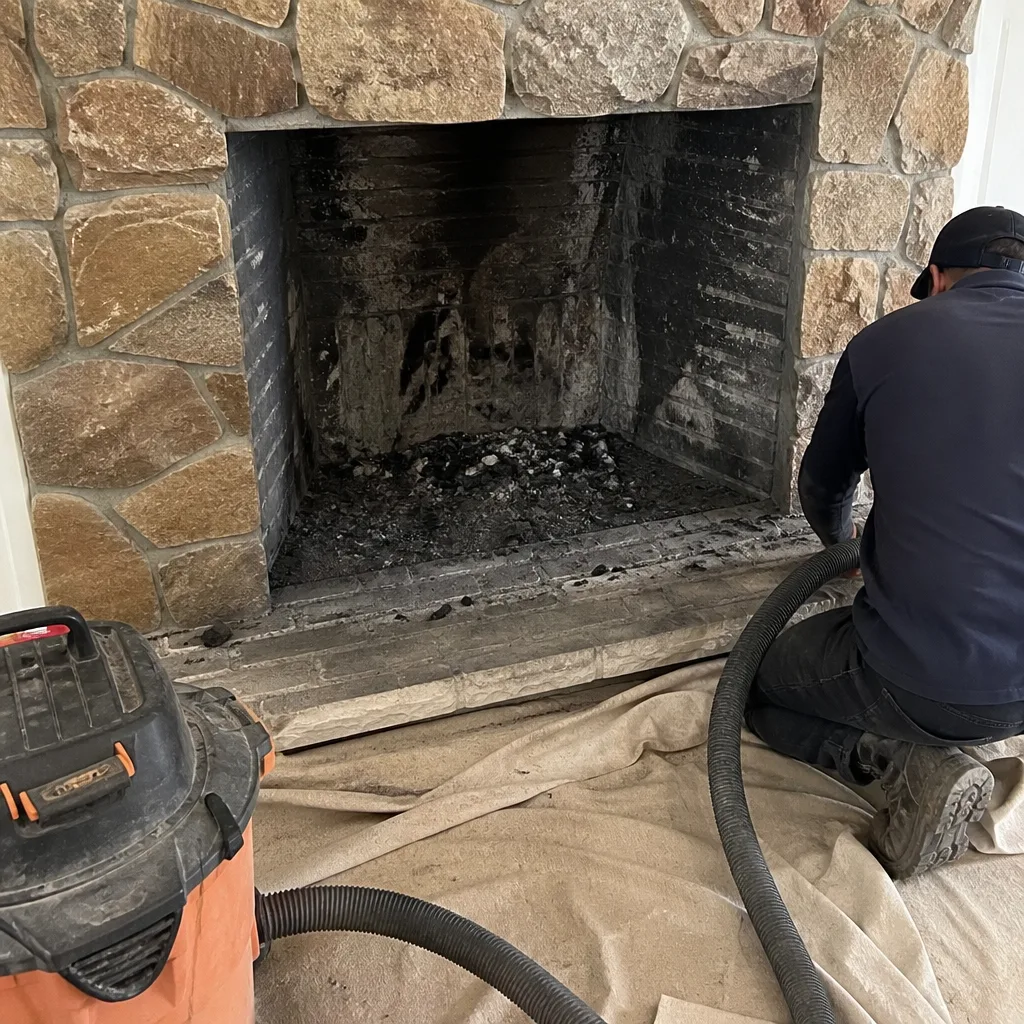 Before
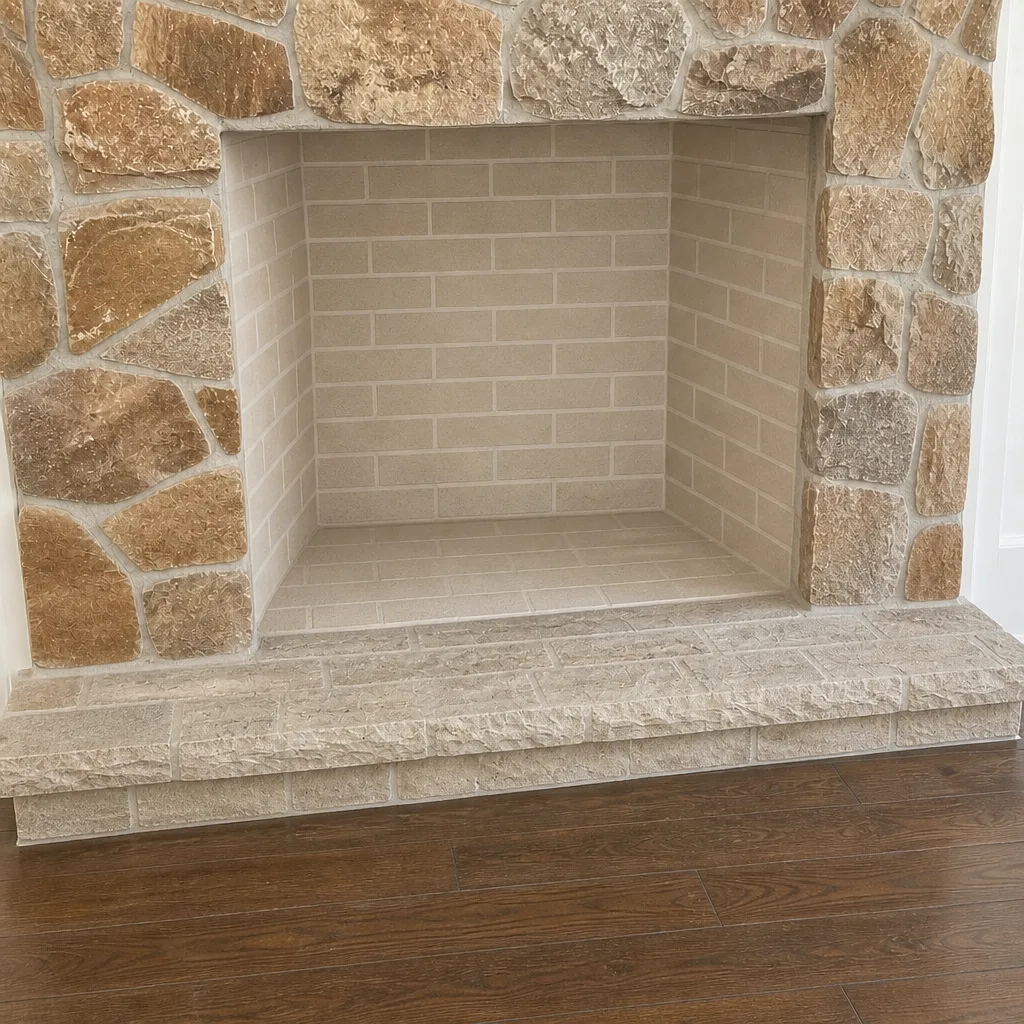 After
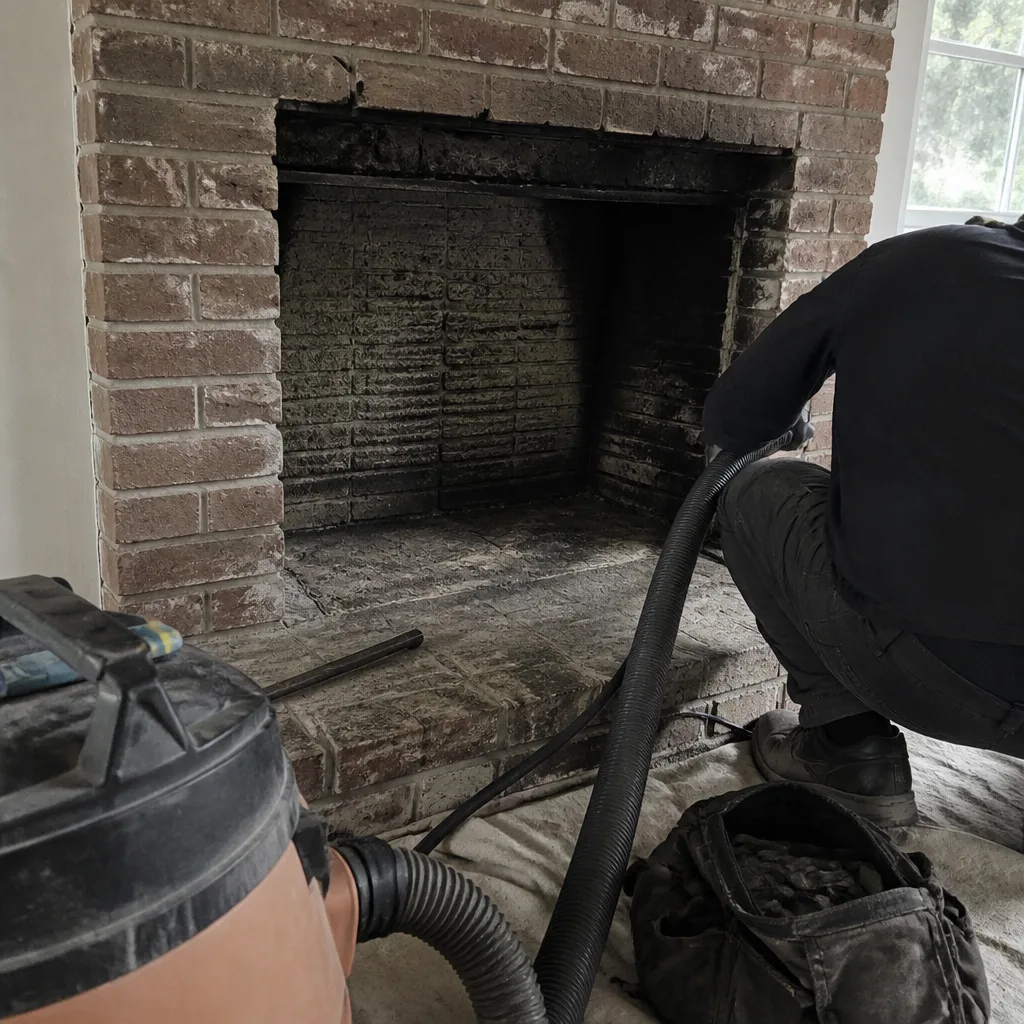 Before
 After
 Before
 After