
Last updated November 24, 2026
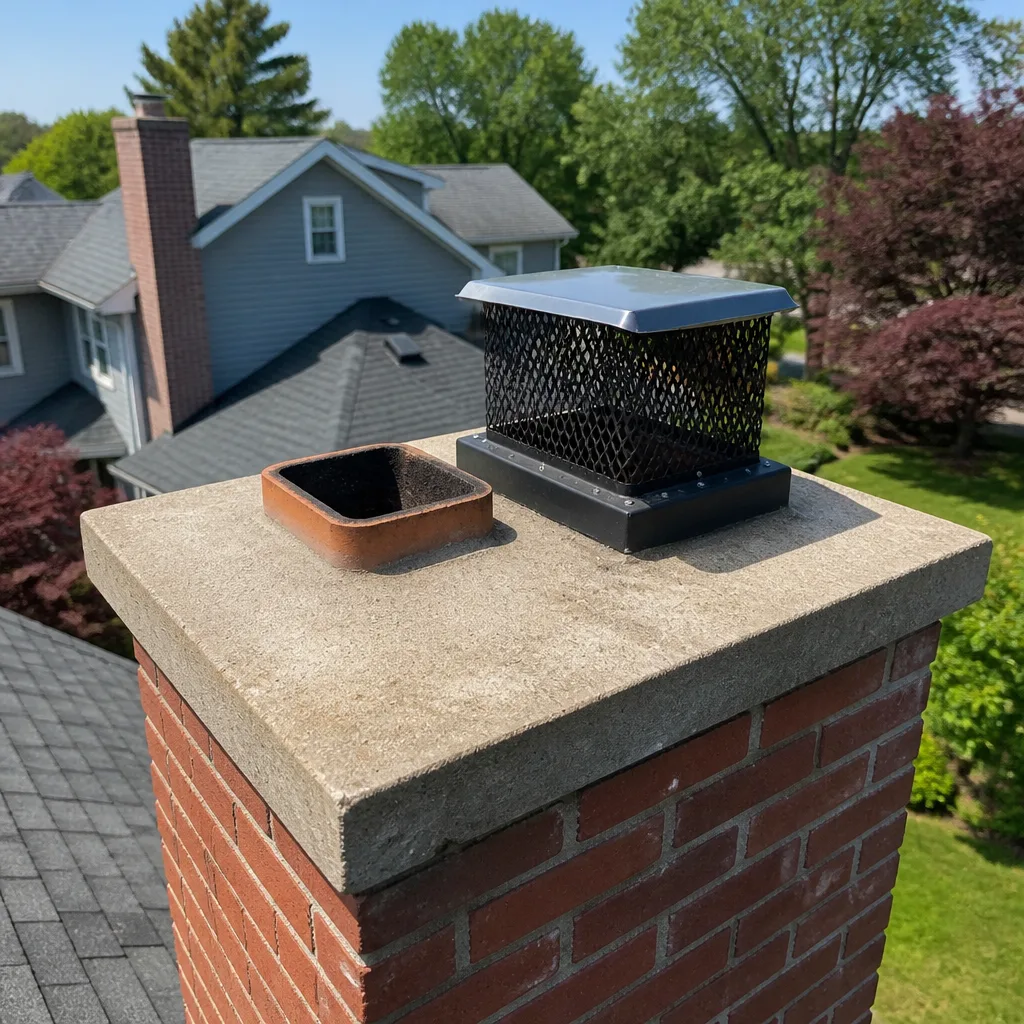 Sweep & inspection
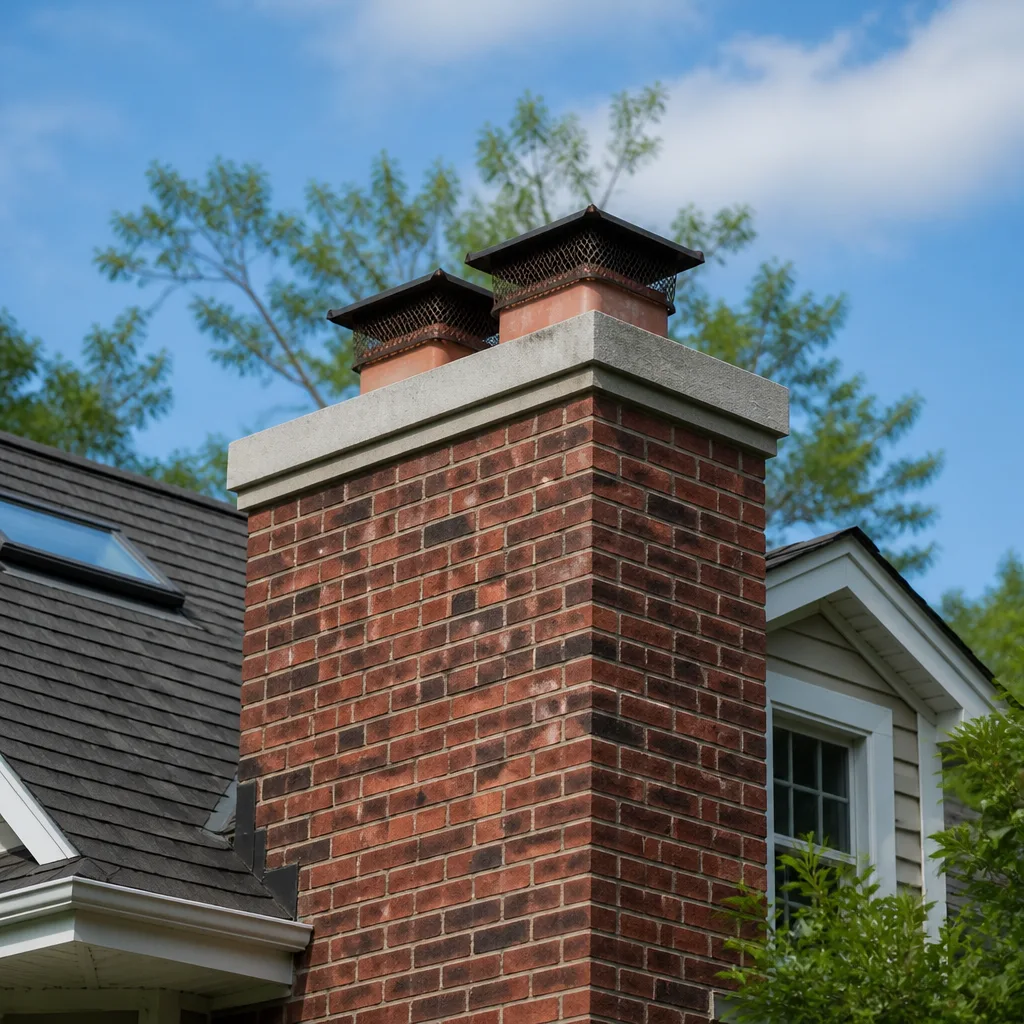 Caps & crowns
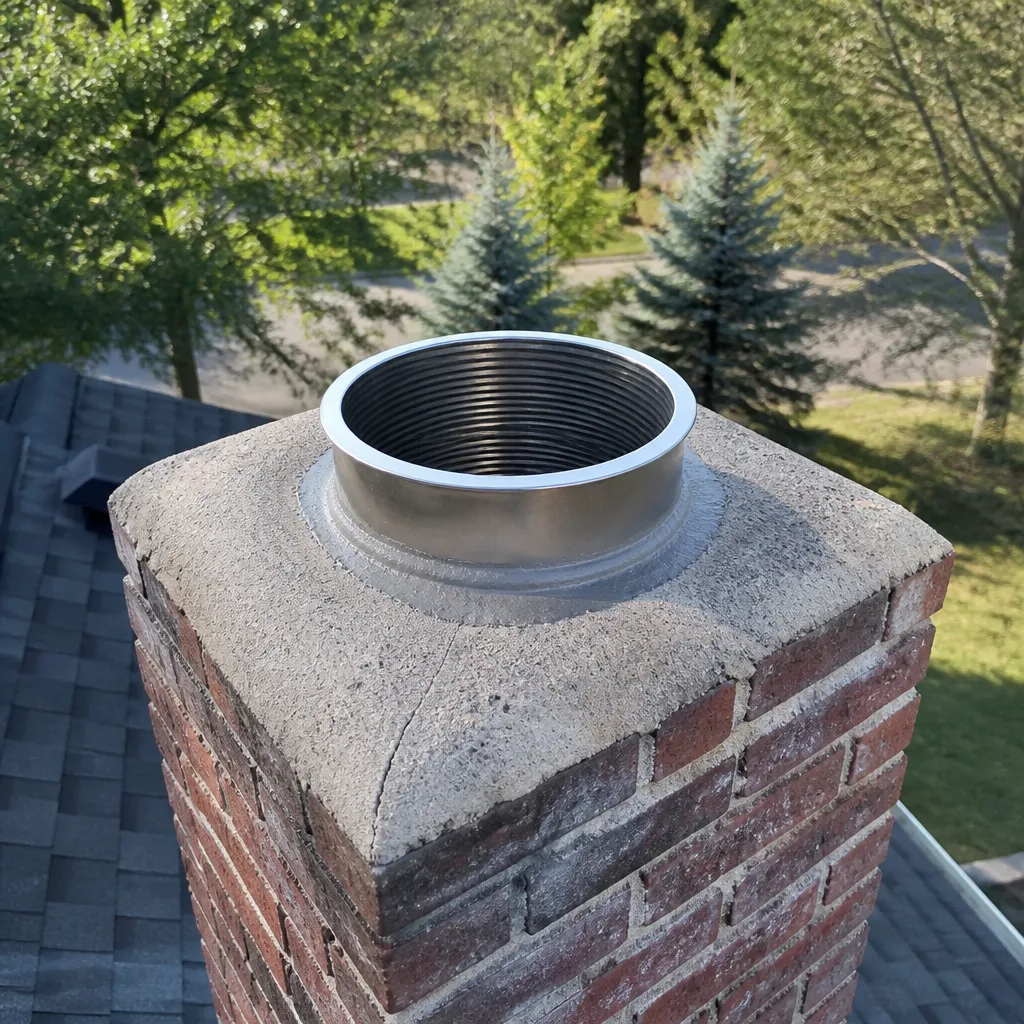 Flue relining
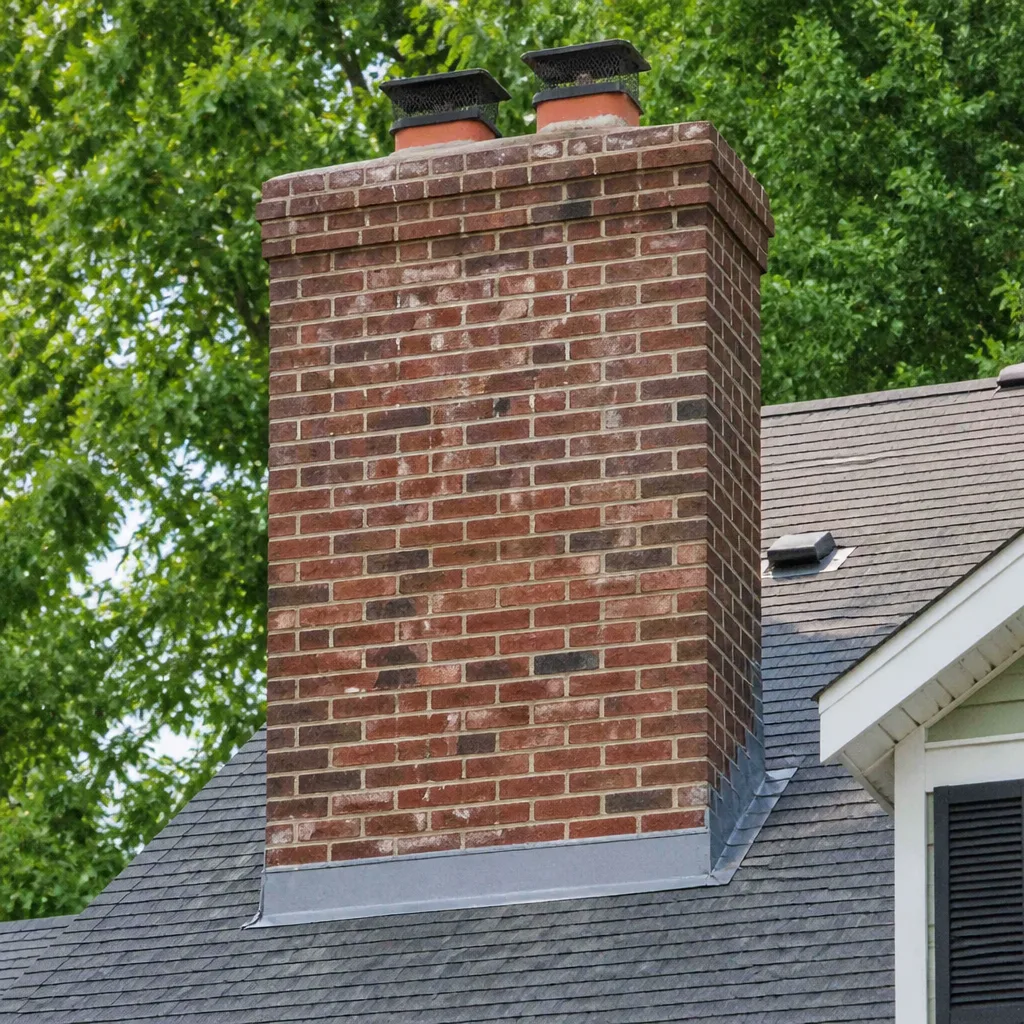 Masonry repair
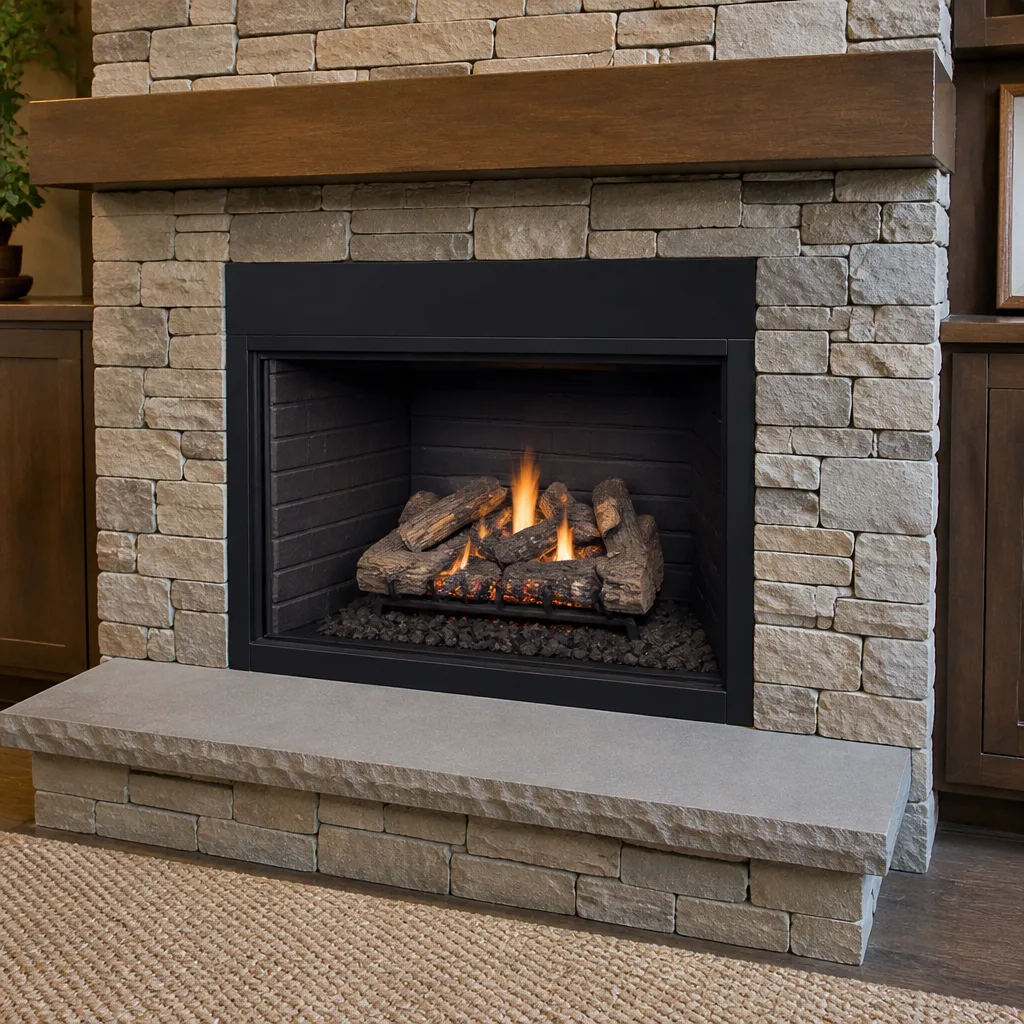 Gas fireplace service
Level 1 sweep and inspection to the NFPA 211 annual standard - flue, crown, cap, and flashing checked and photographed
Chimney sweep logs do not sweep chimneys. They loosen some creosote - which then falls where a brush and vacuum still have to collect it.
Chimney Sweep Troubleshooting in Turtle Rock: Common Problems and How to Fix Them
If your fireplace smokes into the room every time the wind picks up from the south, that’s not a chimney problem. That’s a pressure and height problem, and no amount of sweeping will change it. The reverse is also true: a chimney that draws fine but smells like a campfire in August isn’t a draft issue at all, it’s a creosote and moisture issue waiting for the first cold night. Most of what homeowners in Turtle Rock chalk up to old-house quirks has a specific, diagnosable cause, and a trained eye can usually name it in minutes. This guide walks through each symptom, the culprit behind it, and whether you’re looking at a watch-and-wait or a stop-using-it-now.
Quick Answer
Chimney problems in Turtle Rock fall into three buckets: airflow problems (backdraft, negative pressure, downdraft), blockage problems (creosote, nests, debris, collapsed flue tile), and water problems (a failing cap, a cracked crown, or masonry that’s been absorbing moisture). Airflow issues are usually about height and pressure, not cleanliness. Blockages and water intrusion need a physical inspection. Anything involving a gas smell means stop, ventilate, and call your gas utility before you call anyone else.
Styles & brands we work with
- Sweep & inspection
- Caps & crowns
- Flue relining
- Masonry repair
- Gas fireplace service
Table of Contents
- Which Problem Do You Actually Have? A Symptom Chart
- Backdraft, Blockage, or Negative Pressure: How to Tell Them Apart
- Why Wind in Turtle Rock Creates Downdraft Conditions
- Three Smells, Three Very Different Answers
- What Can Wait Until Your Next Sweep vs. What Can’t
- Why Some Homeowner Fixes Make Things Worse
- The Two Water Problems Almost Everyone Misses
- When to Call a Professional
Which Problem Do You Actually Have? A Symptom Chart
Start with the symptom, not the guess. The same complaint (“my fireplace doesn’t work right”) can come from a dozen different causes, and the symptom usually narrows it to two or three before anyone picks up a brush.
- Smoke rolls into the room when you light the fire, then settles once it warms up: usually a cold-flue or pressure problem, not a blockage. Common and often manageable.
- Smoke pours in on windy days only: downdraft. The chimney’s termination height or cap design is losing the fight with the wind.
- Weak, lazy fire with poor draw all the time: could be a partial blockage (creosote, nest, debris) or negative pressure from a tight house.
- Smoke smell in the room when the fire isn’t burning: the house is pulling air down the chimney. Often a pressure problem, sometimes a damper that doesn’t seal.
- Campfire smell that gets stronger in warm weather: creosote in the flue, usually combined with a downdraft pulling it into the living space.
- Musty, damp, “basement” smell near the hearth: water. A cap or crown issue is the usual suspect.
- Gas smell, anywhere, any time: stop reading this and leave the house. Call your gas utility from outside.
In our experience across Turtle Rock, the single most common misdiagnosis is treating a pressure problem as a cleaning problem. A homeowner books a chimney sweep, the flue comes back clean, and the smoking continues because the actual cause was never creosote. The sweep wasn’t wasted, but it wasn’t the fix.
Why the symptom chart matters more than the repair
Chimneys are one of the few parts of a house where the symptom and the cause are often in different places. Smoke in the living room points to the firebox, but the cause could be twenty feet up at the crown, or in the attic at the flue collar, or in the next room where a bath fan is pulling pressure. Getting to the right answer first saves money and skip-steps the trial-and-error approach a lot of homeowners end up stuck in.
Backdraft, Blockage, or Negative Pressure: How to Tell Them Apart
These three get used interchangeably and shouldn’t be. They have different causes, different fixes, and different urgency. Backdraft is air moving the wrong way down the flue. Blockage is something physically in the way. Negative pressure is the house itself pulling harder than the chimney can pull up. You can usually identify which one you’re dealing with from a few simple observations:
- Light a small test fire with an exterior door cracked open six inches. If the smoke draws normally and the fire behaves, you’re dealing with negative pressure. The house is too tight, and the chimney is competing with bath fans, kitchen exhaust, or a downdraft from a second flue.
- Check the weather. If it only misbehaves on windy days, it’s downdraft, not blockage. Wind is the variable, and the fix is usually at the termination (cap or height).
- Look up the flue from the firebox with a flashlight. If you can see daylight and the flue tile looks clear, blockage is unlikely. If you can’t see daylight, or you see a rough surface, a broken tile edge, or a nest, blockage is likely.
- Listen. A flue with a partial blockage often has a muffled or hollow sound when the fire is lit, and the fire tends to burn unevenly. A pressure problem burns clean but smokes at the top of the opening.
- Test with the firebox door open, then closed. If the behavior changes drastically with the door position, you’re likely looking at a pressure issue; if it doesn’t change, look harder at the flue itself.
That sequence takes five minutes and rules out the majority of false starts. In Turtle Rock, where homes sit at different elevations and orientations, we’ve found that backdraft and pressure problems show up in clusters: the same wind direction that plays nicely with one house will drive smoke into the neighbor’s living room.
Why Wind in Turtle Rock Creates Downdraft Conditions
Turtle Rock sits in a spot where the wind moves differently than it does a few miles inland. Ridgelines, hillside contours, and the way homes are sited against slopes all change how air moves over and around a chimney. That’s the local wrinkle most generic chimney advice misses entirely: the same chimney that works fine on a still morning can fail on a breezy afternoon, and the fix that applies inland doesn’t always translate here.
Three wind-related conditions we look at:
- Termination height relative to the roof. A chimney that’s only barely above the roofline is more exposed to turbulent air. A properly sized and located cap helps; changing the termination height helps more. Rules of thumb exist, but the actual answer depends on the roof geometry around the chimney.
- Nearby taller structures or trees. Anything taller and upwind of the chimney can create a pressure shadow, and the chimney ends up in turbulence instead of clean airflow. This is one of the most under-diagnosed causes of downdraft in Turtle Rock.
- House pressure balance. A tight, well-sealed house pulls air from wherever it can get it. Usually that’s the chimney, because it’s a hole to the outside. The fix is often pressure equalization rather than chimney work, and it’s easy to test for.
If your fireplace only misbehaves when the wind comes from one direction, the chimney itself is probably fine. Something about how that wind encounters the top of the flue is the issue. That’s a specific, fixable problem, and it’s the one most often mislabeled as “the chimney is just drafty.”
Three Smells, Three Very Different Answers
A smell can tell you more about your chimney than any visual inspection. But not all smells mean the same thing, and one of them is genuinely urgent:
Creosote smell (campfire, smoky, gets stronger when it’s warm or windy)
This is unburned fuel byproducts that have condensed onto the flue walls. It’s normal in any chimney that’s been used, but when the smell is strong enough that you notice it in the living room, there’s likely enough buildup to warrant a sweep. HeatShield and similar flue-resurfacing approaches come into play if the glazed creosote has damaged or pitted the flue tile itself. A routine inspection will tell you which side of that line you’re on.
Wet masonry smell (musty, damp, “old basement”)
This is water. In Turtle Rock, our rain isn’t constant, but what we do get during the wet season can soak masonry and stay soaked if the chimney cap or crown is compromised. Musty smell near the hearth means water has been finding its way in for a while. The chimney cap and crown are almost always the entry point, which is why we treat both as a dedicated service rather than an afterthought.
Gas smell (rotten eggs, sulfur, “something’s wrong”)
Stop. Leave the house. Call your gas utility from outside. Do not light anything, do not flip switches, do not investigate further on your own. Gas smell is not a chimney troubleshooting problem, it’s a safety-emergency problem, and the chimney can wait until the utility has cleared the house.
The single biggest mistake homeowners make with smells is assuming the strongest smell is the worst problem. Creosote smells are usually the loudest, but wet masonry does more structural damage over time, and gas is in a category of its own.
What Can Wait Until Your Next Sweep vs. What Can’t
Not every problem needs a call today, and one of the most useful things we do for homeowners is tell them plainly when something can wait. Treat it as a simple two-column decision:
Can usually be monitored until the next scheduled service
- Light smoke smell in the room on warm days, with no visible deterioration.
- Slow starting fire that draws fine once warm (often cold-flue behavior).
- Minor surface rust on the exterior of a cap or spark arrestor.
- A damper that sticks but still opens and closes.
- Slight downdraft on isolated high-wind days, with no smoke entering the room.
Stop using the fireplace until inspected
- Smoke rolling into the room consistently, not just at startup.
- Soot or creosote falling down the flue into the firebox.
- Any visible crack in the firebox masonry or the flue tile.
- A strong, persistent creosote smell indoors, especially with an oily or glazed appearance on the flue walls.
- Any evidence of water intrusion inside the firebox, on the damper, or on the smoke chamber.
- Carbon monoxide alarms going off anywhere in the home.
If you’re unsure which column a problem sits in, our advice is always the same: get an inspection before you light the next fire. An inspection isn’t a sales tactic, it’s a condition report, and we offer it as a standalone service so you can see the facts before anyone recommends work.
Why Some Homeowner Fixes Make Things Worse
A handful of “fixes” spread around every fall, and most of them make the underlying problem worse. Here’s why:
- Burning cardboard or newspaper to “clean” the flue. It doesn’t clean anything. It deposits more creosote (cardboard burns dirty), raises the risk of a chimney fire, and can throw sparks up onto a roof. If the flue needs cleaning, it needs a brush.
- Running a bath fan or dryer while the fire is lit to “help” the draft. Those appliances make negative pressure worse, not better. They pull air out of the house, and the chimney becomes the easiest replacement air source.
- Cracking a window “for draft.” Sometimes this helps; it depends entirely on which direction the pressure is going. Homeowners who do it without testing often find it makes no difference, or makes it worse when the wind shifts.
- Sealing the top of the chimney with a plastic bag or a board while it’s not in use. It keeps water out, but it also keeps air from moving, and it invites moisture and pests. A properly fitted cap does the same job without the risks.
- Spraying “chimney cleaner” products up the flue. These products exist, but they don’t remove creosote glaze, and they can mask a problem that needs an inspection. If the flue needs to come clean, it needs a physical tool.
- Painting over water stains on masonry. A stain is information. Painting it hides the evidence of an active leak without stopping the water, and the moisture will find another way out.
- Stacking wood against the chimney or on the hearth. It’s a fire hazard and it holds moisture right where you don’t want it. Dry, well-separated storage is fine; up against the masonry is not.
What all of these have in common is that they treat a symptom without confirming the cause. In Turtle Rock, that pattern is the single biggest reason a small chimney problem becomes a bigger one. A five-minute inspection rules out the guesswork and lets you skip straight to the right fix.
The Two Water Problems Almost Everyone Misses
Water damage to chimneys is cumulative and quiet. It rarely announces itself with a dramatic leak. It shows up as a loose brick, a musty smell, a spalling mortar joint, or a flue that’s been subtly deteriorating for seasons. Two components do most of the protecting, and both are commonly overlooked:
The chimney cap
A cap does three jobs: it keeps rain out of the flue, it keeps animals and debris out, and it improves draft by stabilizing airflow at the top of the chimney. In Turtle Rock, a damaged or missing cap is one of the most frequent causes of water intrusion we see. We install caps as a dedicated service because they’re one of the highest-value pieces of hardware on the whole chimney system, and a lot of homeowners have never had anyone check theirs.
The chimney crown
The crown is the concrete (or masonry) cap at the very top of the chimney structure, the part that slopes away from the flue opening. When it cracks, water gets into the masonry from above, which is the worst possible direction. A failing crown leads to loose bricks, rusted dampers, deteriorated flue tile, and eventually structural repair. Crown work is one category where the right material matters: we use professional-grade components (Famco, Olympia Chimney, and similar) rated for the job, not generic hardware-store caps.
Together, the chimney cap & crown are the top of the system, and they’re what protects everything below. If either is compromised, the damage shows up eventually in the firebox, the damper, or the chimney structure. If you’ve had your chimney swept in the last few years but no one has looked at the cap and crown, that’s the gap.
When to Call a Professional
Some chimney problems are a watch-and-wait, some are a stop-using-it-now, and the difference is rarely obvious from the living room. Call us if any of the following are true: smoke enters the room consistently rather than only at startup; you see soot or creosote fragments falling into the firebox; the firebox, damper, or flue tile shows a visible crack; you smell a persistent creosote smell indoors; you see water stains or dampness anywhere near the fireplace; the carbon monoxide alarm has gone off in the home; or you’ve moved into a Turtle Rock home and you don’t have a documented inspection from the previous owner.
Chimney Sweep Turtle Rock offers free estimates in Turtle Rock. We work with HeatShield, Gelco, Olympia Chimney, and Famco professional-grade product lines, and we handle the full chimney system from the firebox to the crown. Call (833) 408-3854. We answer 24/7. Fast dispatch from 7am to 7pm, Sunday through Friday.
Frequently Asked Questions
Smoke entering the room only on windy days is downdraft, which is a pressure and termination issue rather than a cleanliness one. The chimney’s height or cap isn’t holding up against the wind pattern at your specific location, and the fix usually involves adjusting the termination or the cap design. A chimney sweep won’t solve it because creosote isn’t the problem. Call (833) 408-3854 for an inspection and a free estimate.
Chimney sweep pricing is set per job by a written estimate, and the estimate is free. The cost depends on the flue configuration, how much buildup is present, and whether the firebox and smoke chamber need attention. We don’t quote a number before we’ve seen the chimney because the number changes with what’s actually there. Call (833) 408-3854 for an exact quote, and know that inspections are also available as a standalone service if you want a condition report before committing to anything.
That’s the right question to ask, and we answer it the same way every time: nothing is recommended without evidence you can see for yourself. If the flue tile is cracked, pitted, or has lost its glaze, the liner is a real issue. If it’s intact, it’s not. HeatShield resurfacing is often the fix rather than a full reline, and we offer it because it’s a specialty repair most sweep-only companies can’t provide. Call (833) 408-3854 and ask for an inspection with a written report.
Annual sweeping for a regularly used wood-burning fireplace is the standard recommendation, with more frequent service if you burn heavily or burn unseasoned wood. Gas fireplaces still need an annual inspection even though they produce little creosote, because the venting and connections matter. The right interval depends on how much you burn and how well the flue is drawing. Call (833) 408-3854 to book a sweep and get a straight answer on your specific chimney.
Skipped maintenance lets creosote accumulate, and that’s the fuel source for a chimney fire. It also lets small water problems turn into structural ones: a cracked crown, a rusted damper, a spalling flue tile. The quiet version of “skipping it” is that nothing appears to happen for a while, and then a repair that would have been minor becomes a structural job. Call (833) 408-3854 for an inspection before the next burning season and get the current condition on record.
That’s almost always the house pulling air down the flue, which means the chimney is acting as an inlet rather than an exhaust. It’s a pressure problem, not a fire problem, and the fix is usually at the cap, the damper seal, or the pressure balance of the house. It gets worse when weather changes because the pressure differential changes too. Call (833) 408-3854 and we’ll diagnose it rather than quote a sweep you may not need.
The Bottom Line
Most chimney problems in Turtle Rock have a specific, diagnosable cause, and the fix is usually narrower than homeowners fear. Smoke in the room is a pressure or termination problem; a campfire smell is a creosote problem; a musty smell is water coming in through the cap or crown; a gas smell is a stop-everything problem. Knowing which one you’re facing is the difference between a small repair and a rework of something that didn’t need touching. If you monitor the small stuff, stop using the fireplace when the warning signs appear, and get an inspection on the record, you’ll catch most issues while they’re still cheap to fix.
The rest is our job. We handle the full chimney system from the firebox to the crown, using HeatShield, Gelco, Olympia Chimney, and Famco professional-grade materials, and we tell you plainly when work can safely wait. For Chimney Sweep Turtle Rock services, or if you need fireplace repair on top of the sweep, we’re the ones to call. Our technicians have up to 14 years of experience. Call (833) 408-3854. We answer 24/7. Fast dispatch from 7am to 7pm, Sunday through Friday.
Written by the team at Chimney Sweep Turtle Rock.
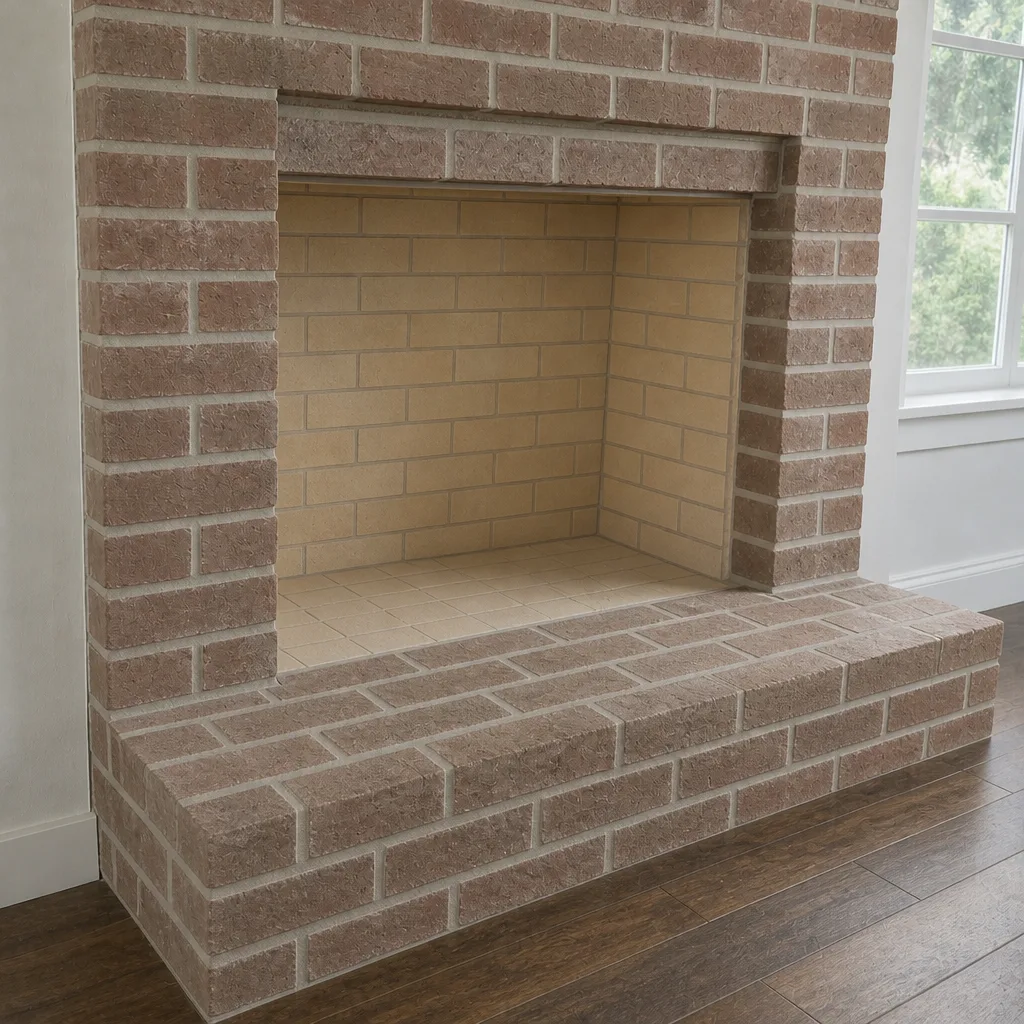
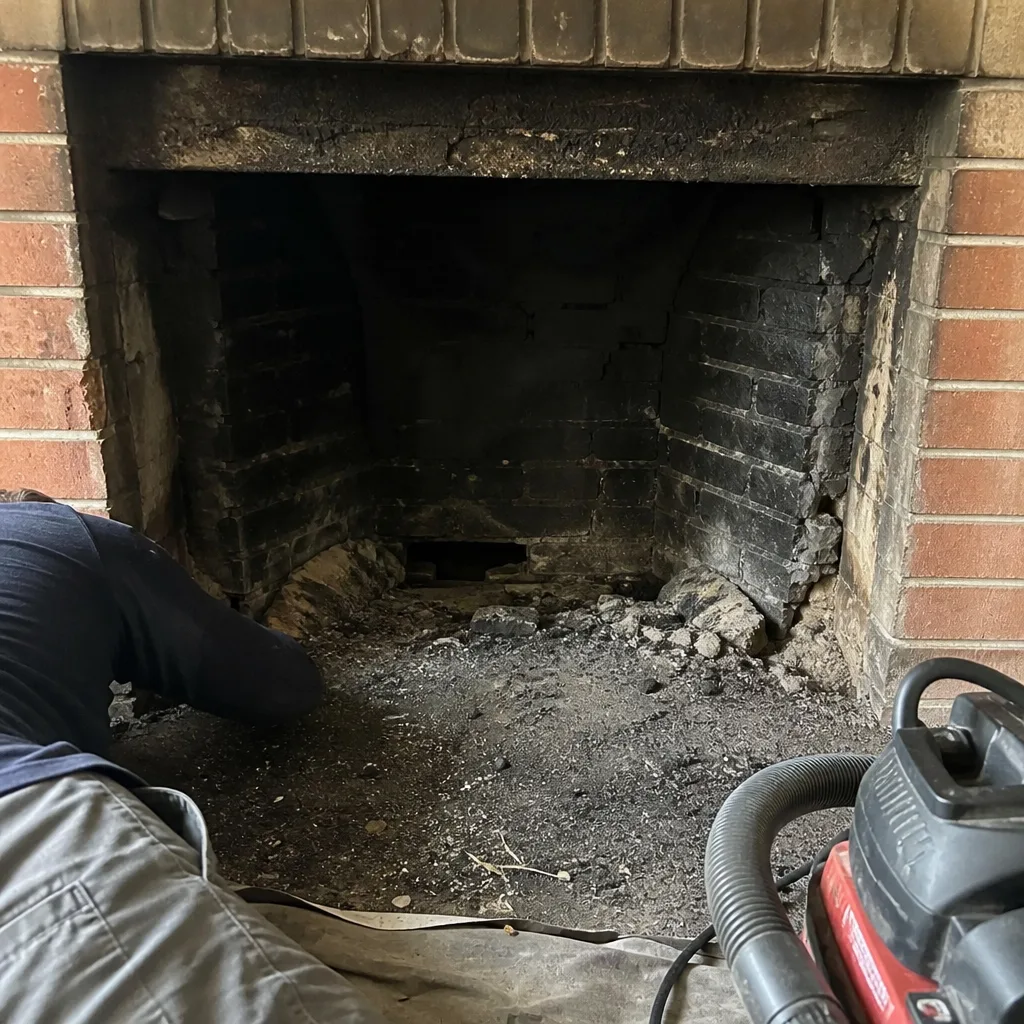
See the difference
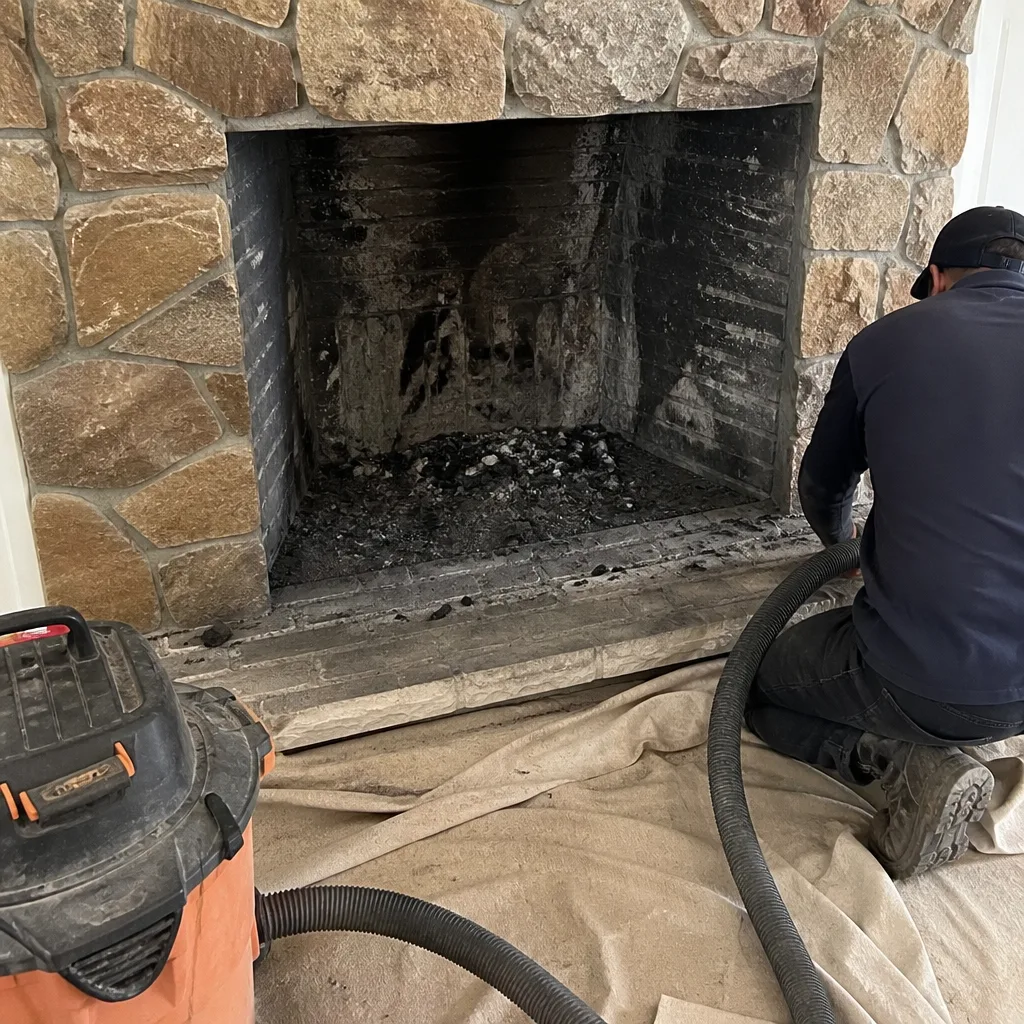 Before
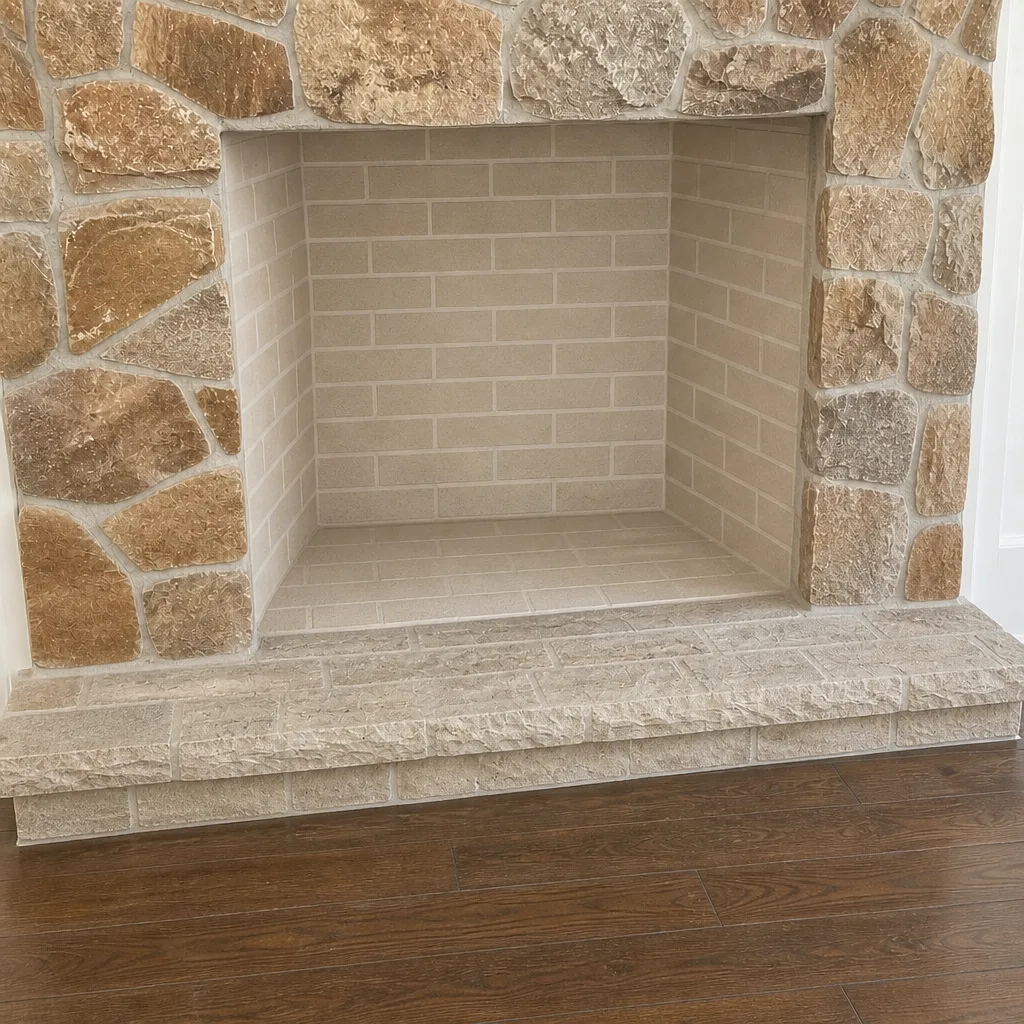 After
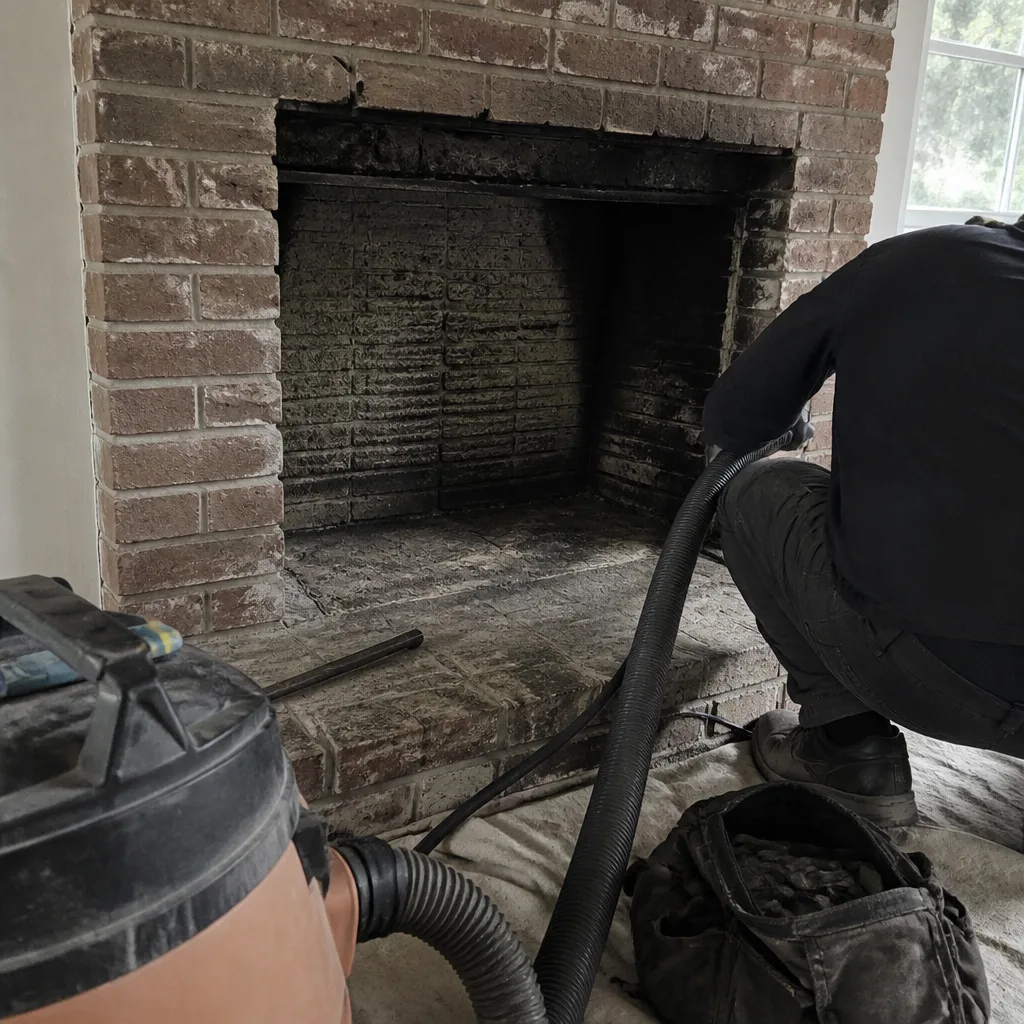 Before
 After
 Before
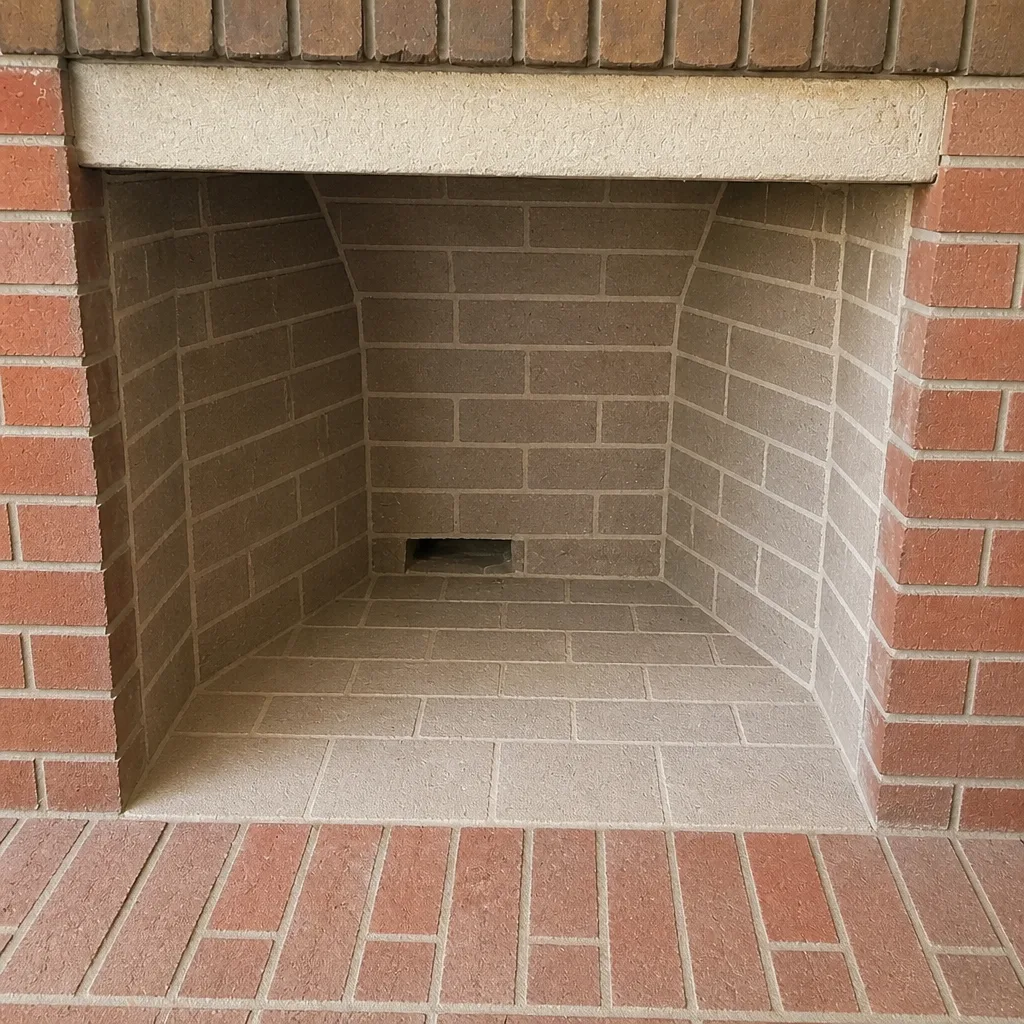 After