
Last updated November 24, 2026
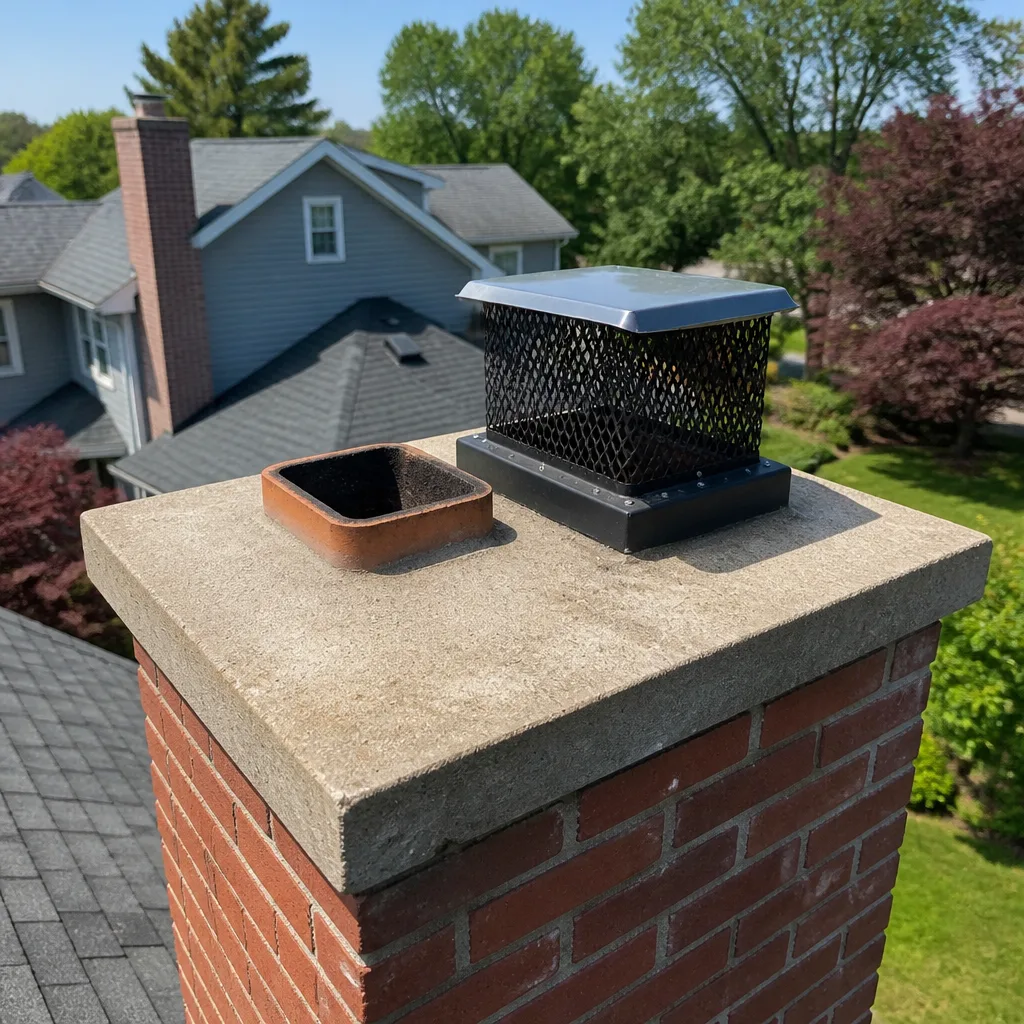 Sweep & inspection
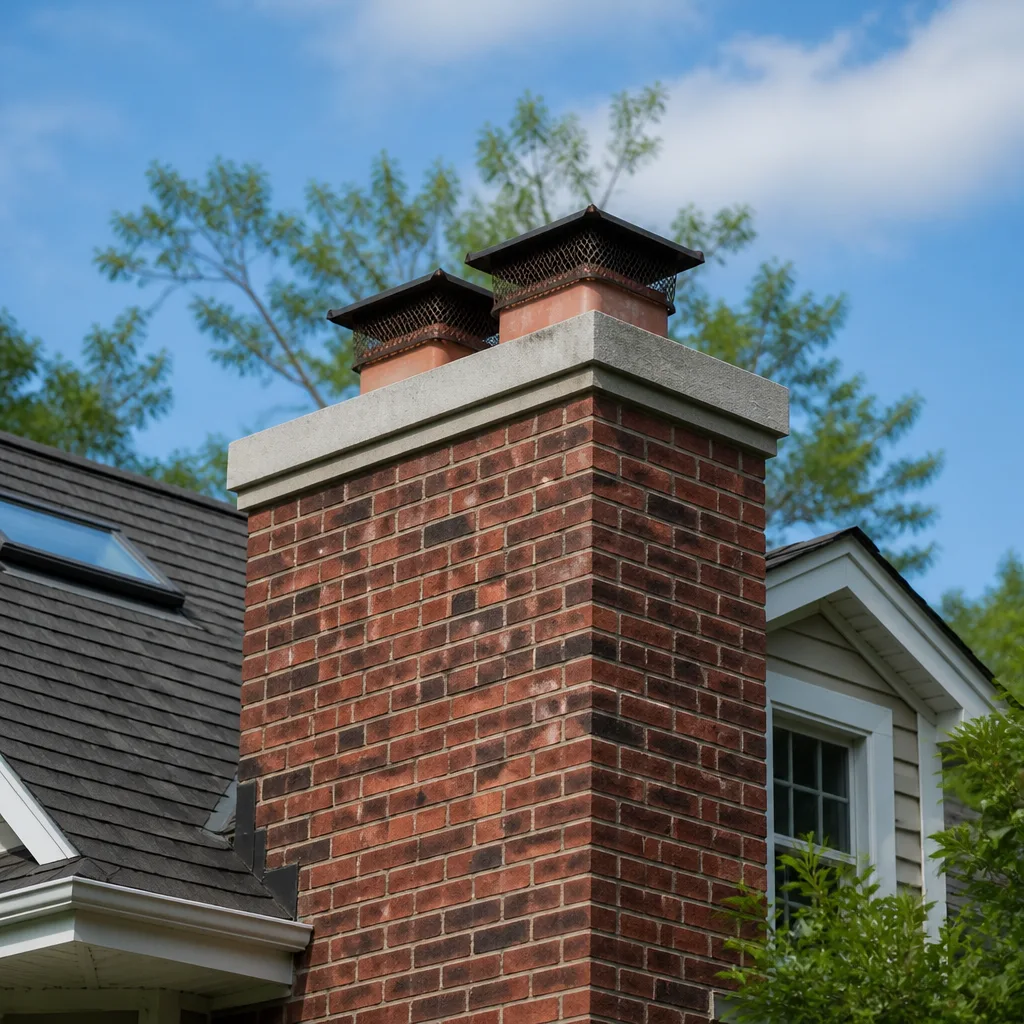 Caps & crowns
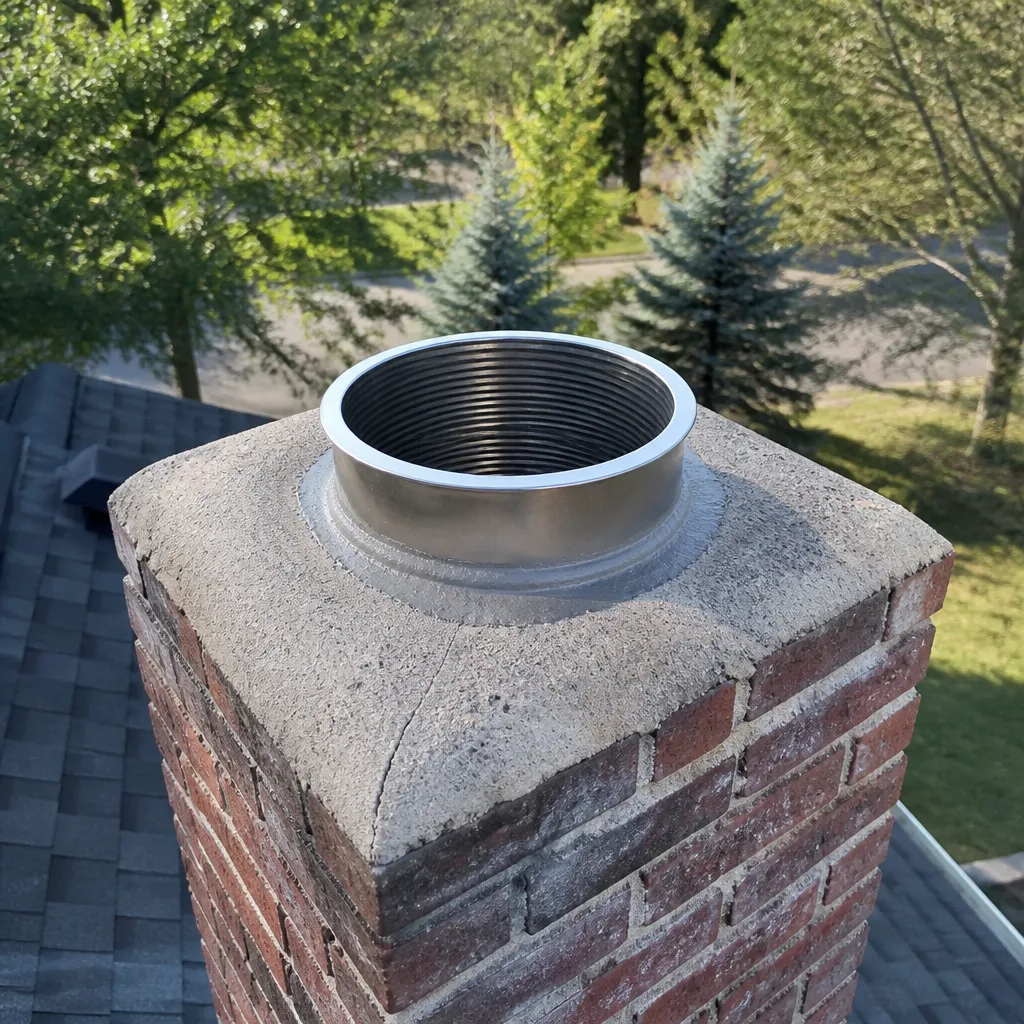 Flue relining
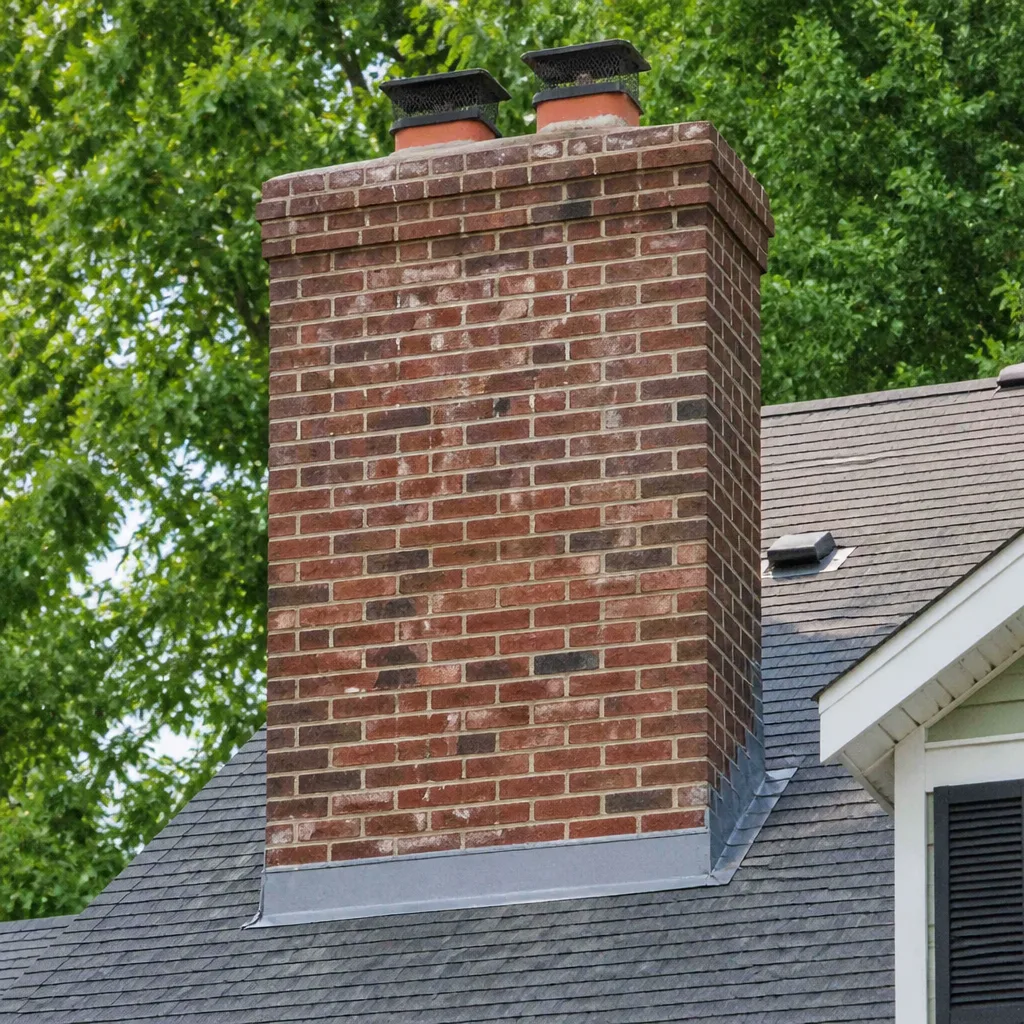 Masonry repair
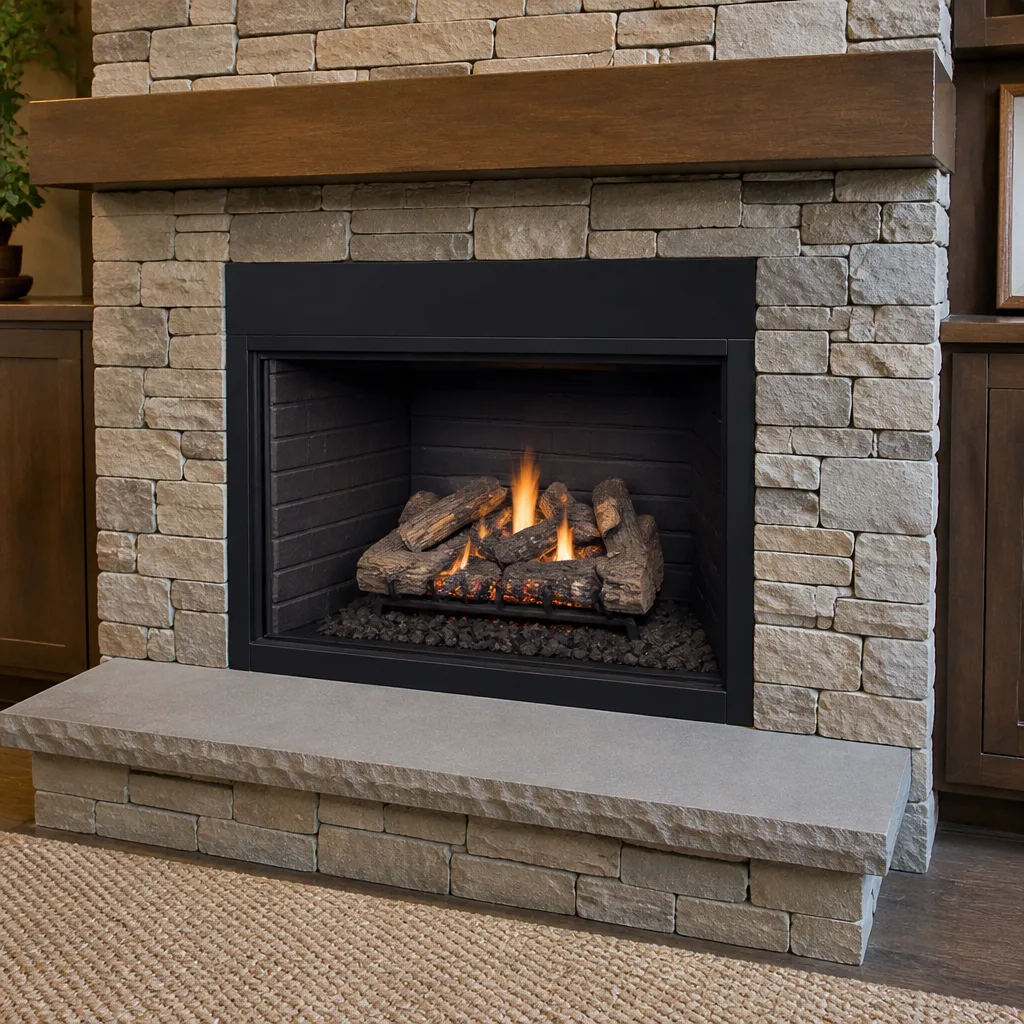 Gas fireplace service
Level 1 sweep and inspection to the NFPA 211 annual standard - flue, crown, cap, and flashing checked and photographed
Chimney sweep logs do not sweep chimneys. They loosen some creosote - which then falls where a brush and vacuum still have to collect it.
Chimney Cleaning Warning Signs: A Turtle Rock Homeowner’s Reference Guide
Almost every chimney problem we’re called out to inspect in Turtle Rock gave the homeowner a warning first. The smoke that puffed back into the living room on a windy evening. The dark stain on the ceiling of the fireplace alcove. The cap that looked fine from the driveway five years ago and doesn’t now. Here’s the trap: most people explain these signals away for an entire season before they call anyone, treating a draft quirk or a little creosote smell as normal until something forces the issue. This guide ranks the warning signs your chimney sends by urgency, so you know which ones mean stop using the fireplace today, which mean book a sweep soon, and which you simply watch. We’ll cover what’s normal versus abnormal, what you can see from outside the house, what your nose and your damper are telling you, and why photographing the exterior once a year is the single cheapest piece of maintenance a Turtle Rock homeowner can do.
Quick Answer
The most urgent chimney warning signs are a strong smoke smell inside the house, smoke rolling back into the room, a cracked or crumbling firebox, and any flaking or staining on the flue you can see. These mean stop using the fireplace today and get an inspection before the next fire. Softer signals – a sour or ashy smell when the fireplace is off, a wobbly damper, a cracked crown, whitish stains on the brick, or a chimney that sounds different on a windy day – mean schedule a sweep and inspection soon, but the house isn’t in immediate danger. Anything you can see from the outside of the chimney is usually a structural or water-damage signal rather than a cleaning one, and it’s worth a documented look before it gets worse.
Styles & brands we work with
- Sweep & inspection
- Caps & crowns
- Flue relining
- Masonry repair
- Gas fireplace service
Table of Contents
- The Tiered Warning Sign Index: Shut Down, Schedule, or Watch
- Normal Sounds and Smells vs. Warning Sounds and Smells
- Wood-Burning and Gas Fireplaces Talk Differently
- What the Outside of Your Chimney Is Telling You
- Indoor Signs Beyond Smoke: Odor, Staining, and Damper Behavior
- Why Turtle Rock Homeowners Should Photograph Their Chimney Every Year
- What to Check Before Each Burning Season
- Common Mistakes to Avoid
- When to Call a Professional
- Frequently Asked Questions
The Tiered Warning Sign Index: Shut Down, Schedule, or Watch
Most chimney guidance lumps every warning sign together, which is unhelpful. A little ash on the firebox floor and a cracked flue tile aren’t the same thing, and treating them as equivalent either makes you panic unnecessarily or lets you dismiss something real. We break signs into three tiers so the response matches the risk. Same tiered reading is what we walk homeowners through during a standalone inspection in Turtle Rock.
Tier 1: Stop using the fireplace today
These signs mean the chimney is no longer venting safely, or the barrier between the fire and the structure around it has failed. Don’t burn, and get an inspection before you do.
- Smoke rolling back into the living room on a still evening, not just a brief puff at startup.
- A strong, sharp smoke smell inside the house whenever the fireplace is in use, or after – that’s a flue seal problem, not a draft.
- A crack in the firebox brickwork, especially one that goes through the brick rather than the mortar joint.
- Any flaking, hollow-sounding, or stained surface on the flue tiles you can see from the firebox or the top.
- The smell of gas near a gas fireplace that isn’t lit, or a burner that won’t stay lit. Call your gas provider first.
Tier 2: Schedule a sweep and inspection soon
These signals don’t mean the house is in danger right now, but they’re the ones that turn into Tier 1 problems if left for another season. Typically they mean it’s time to book a chimney sweep and ask for a condition report while we’re there.
- A sour, ashy, or campfire-like smell in the room when the fireplace is off.
- A damper that sticks, won’t open fully, or won’t close flush.
- Noticeable soot buildup on the firebox walls or the glass doors.
- A crown with visible cracks, or a cap that’s loose, missing a screen panel, or rusted through.
- Whitish stains on the brick, or brick falling away in flakes.
Tier 3: Watch and monitor
Note these, photograph them, and compare next year. On their own they’re usually early signs of water intrusion or routine wear. If they progress, they move up a tier.
- A single hairline mortar crack in the exterior joints.
- Faint soot smudges around the top of the firebox opening.
- A faint shift in the way the chimney sounds on a windy day.
- Slight rust on the damper handle or the firebox grate.
Normal Sounds and Smells vs. Warning Sounds and Smells
A chimney is not a silent object. It moves air, it expands and cools with each fire, and on a breezy day it makes noise. The trick is telling routine noise from a warning. Here’s the difference, based on the calls we get from Turtle Rock homeowners.
Normal sounds
- A low whistle or hum from the flue on a gusty day. That’s air moving past the flue top.
- A soft ticking as the metal flue components heat up after you light a fire.
- The dull roar of a well-drafted fire pulling hard.
- Occasional cracking and settling of the metal firebox when it cools after the fire dies.
Warning sounds
- A sharp, high-pitched whistle every time the wind blows, with a corresponding pressure change in the room. That usually points to a partially blocked flue or a cap that’s coming apart.
- A rattle or scraping in the flue when the fire is lit. Something’s come loose in there, and it’s not house settling.
- A banging or flapping noise from the chimney top. The cap or its screen panel is likely loose, and that’s a bird, squirrel, or water issue waiting to happen.
- A hissing or rushing noise that rises with the wind. That’s a sign the flue has a gap or a broken tile letting air bypass the draft.
Normal smells
- A faint wood-smoke smell that lingers in the room for a few hours after a fire. That’s residual smoke on the walls and grate.
- The sharp smell of a cold-start fire in the first few minutes.
Warning smells
- A strong, sharp, almost acrid smoke smell that appears inside the room on a windy day before you’ve even lit a fire. That is usually the first sign of a compromised flue seal. It’s the single most common warning sign homeowners over-explain away.
- A sour, ammonia-like, or ashy smell that shows up when the fireplace has been off for a couple of days. That’s condensed creosote or moisture sitting in the flue, and it’s a cleaning signal.
- The smell of burning that isn’t wood – plastic, wiring, or a metallic tang. Stop using the fireplace.
- Any gas smell at a gas fireplace. Leave it off.
Wood-Burning and Gas Fireplaces Talk Differently
We’ve learned that the same warning sign means slightly different things depending on what’s in the firebox. Most of the confusion comes from treating all fireplaces the same way. Here’s how to read each system.
Wood-burning fireplace warning signs
Wood fires produce creosote, and creosote is the fuel behind chimney fires. The signs to watch are:
- Soot or glossy, sticky buildup on the firebox walls. That’s creosote, and once it’s glazed, a standard brush won’t take it off. That’s when a conditioning or resurfacing approach using a product like HeatShield comes into the picture, depending on the flue’s condition.
- A fire that struggles to draw even with the damper fully open and a warm house. That points to a flue blockage or a broken tile.
- Darker-than-normal smoke from the chimney, and a fire that smolders rather than burns. That’s wet or unseasoned wood, which loads creosote faster.
Gas fireplace warning signs
Gas fireplaces usually run clean, but the flue still needs attention. Signs to watch include:
- The smell of gas, or a burner that lights unevenly with a soft yellow flame where it’s normally blue. That’s a fuel or air-mix issue, and it’s a service call, not a cleaning one.
- Any soot on the fireplace glass, logs, or the firebox interior. A gas fireplace shouldn’t produce visible soot when it’s working correctly.
- Water staining on the firebox or the exterior of the chimney. Gas units vent moisture and condensation, and water inside the flue is more likely on a gas system than people assume.
- A pilot light that keeps going out, or a fireplace that won’t stay lit reliably. Any of these should be checked by a professional before the next fire.
For gas or wood, the on-off-season inspection is the same discipline. Get a clear, documented report of what the flue and firebox look like inside. That’s what protects the house.
What the Outside of Your Chimney Is Telling You
The exterior of the chimney is the most neglected source of warning signs and the most useful. If you can see the chimney from your yard, driveway, or the neighboring lot, you can read half its condition without climbing anything. These are the four signs we look for on every Turtle Rock exterior, in order of how much they say about the structure.
- Efflorescence (whitish, chalky staining on the brick). Efflorescence means water has been moving through the brick and leaving mineral salts behind as it dries. On its own it’s cosmetic, but it’s a reliable signal that the masonry is taking on water somewhere – usually a failing crown or an uncapped flue.
- Spalling brick (brick faces flaking off or crumbling). Spalling means water has entered the brick and is freezing or pushing the face off from the inside. It almost always follows efflorescence by a season or two, and it’s the point at which the brick needs repair, not just repointing.
- Crown cracking. The crown is the sloped cap of concrete or mortar at the very top of the chimney. Hairline cracks in the crown are common; a crack you can fit a coin into, or a crown that’s pulling away from the flue, lets water pour straight into the masonry below. That’s the most preventable source of chimney damage there is.
- Cap condition. A chimney cap keeps water, birds, and debris out of the flue. A cap that’s rusted through, missing its screen, or sitting loose is doing none of those jobs. We install chimney cap & crown as a dedicated service because those two components cause more damage than any other exterior issue short of a fire.
Any of these is a reason to schedule a documented exterior inspection. None of them requires panic, but all of them get worse with one more rainy season.
Indoor Signs Beyond Smoke: Odor, Staining, and Damper Behavior
Smoke isn’t the only thing your house tells you. The indoor signs most homeowners miss are more subtle, often show up when the fireplace is off, and each one maps to a specific problem. Here’s the pattern we see most often in Turtle Rock.
Odor patterns
- A sour or ashy smell when the fireplace is off. That’s condensed creosote or moisture in the flue. It needs a sweep before the next season.
- A musty, damp smell when it rains. Water is getting in somewhere – the crown, the cap, the flashing, or the brick itself. That’s a structural signal, not a cleaning one.
- A sharp smoke smell even when the fire isn’t lit. The flue seal is compromised, usually at a tile joint or the damper frame. That’s a Tier 1 sign from our index.
- A smell that only appears when the house is under negative pressure (bath fan running, kitchen exhaust on). The chimney is back-drafting, and the fix is usually a cap replacement, a flue extension, or a draft correction.
Staining patterns
- Dark brown or black staining on the firebox brick. That’s creosote running down, and it means the buildup upstairs is heavier than what’s visible.
- White, chalky staining on the interior bricks near the firebox. Water vapor condensing inside. Worth an inspection.
- Yellow-brown staining on the ceiling above the fireplace. Water is wicking through the masonry and into the drywall from above. That’s a leak, not a smoke issue, and it should be checked before the next rain.
Damper behavior
The damper is a moving part, and its behavior is one of the most useful diagnostic signals in the whole chimney system.
- A damper that won’t open fully is a draft problem and often means debris or a swollen frame.
- A damper that won’t close flush means you’re losing heat in the winter and pulling moisture into the chimney when the fireplace is off.
- A damper that opens but the fire still struggles means the problem is higher up: a blocked flue, a broken tile, or a cap that’s closed off the draft.
- A damper handle that’s rusted or feels gritty means moisture is present and the flue should be inspected before using it again.
Why Turtle Rock Homeowners Should Photograph Their Chimney Every Year
Our climate is mild, the burning season is short, and the chimney is out of sight most of the year. That’s exactly the combination that lets small exterior changes go unnoticed for two or three years. A photograph log closes that gap, and it’s the cheapest inspection a homeowner can run. Here’s the method we recommend.
- Photograph from the same two spots every year. One from the driveway (or wherever you get the clearest side view), one from the yard on the opposite side. Include the roofline so you can reference the same frame each time.
- Shoot the chimney top close-up from a window or a low ladder if you can safely reach it. If you can’t, skip it – don’t climb. The professionals photograph the top during an inspection.
- Photograph the firebox interior straight on, with a flashlight, once at the start of the season and once at the end.
- Photograph the damper in both open and closed positions so you can see the travel. If it doesn’t close flush, note the photo date.
- Date-stamp the file names and keep them in one folder. When you compare a shot from this year with one from two years ago, changes you didn’t notice day to day become obvious.
What you’re watching for year over year:
- New chalky white staining where there wasn’t any before.
- A brick face that has started to flake or crumble.
- A crown that has gained a crack or a separated edge.
- A cap that has rusted further, lost a screen panel, or shifted position.
- A firebox that has gained soot or dark staining in a new place.
When a photo log shows a change, that’s your cue to book a standalone inspection. We offer inspections as their own service, not just as an add-on to a sweep, so you get a clear condition report and a written estimate before you commit to any work.
What to Check Before Each Burning Season
Before the first fire of the season, run through this checklist. It takes fifteen minutes and catches most of the Tier 2 and Tier 3 signs before they become Tier 1.
- Look up the flue with a flashlight. Note any buildup, cracks, or staining. If you can’t see the top, that’s a signal in itself.
- Look at the firebox brick. Any crack that goes through the brick (not the mortar) is a stop-and-inspect sign.
- Work the damper through full open and full close. Note any stiffness, sticking, or gaps at the closed position.
- Walk outside and look at the chimney top. Check the crown for cracks, the cap for rust and missing screen, and the brick for chalky or flaking patches.
- Smell the room with the fireplace off. A sour or ashy smell means creosote is waiting, and it should be swept before the season starts.
- Check the smoke and carbon monoxide detectors near the fireplace and on the same floor. Replace the batteries and test them.
- Take the annual photos and add them to the log folder.
- Book the annual sweep if you haven’t already. Most wood-burning fireplaces benefit from annual cleaning when used regularly, and a sweep with a documented condition report is the cleanest way to start the season.
If you find anything from Tier 1 during this walk-through, don’t light a fire until a professional has looked at it. That’s not a scare tactic; it’s the whole point of ranking signs by urgency.
Common Mistakes to Avoid
- Treating a persistent smoke smell in the room as a draft quirk. A strong smoke smell that shows up on a windy day, even when no fire is lit, is usually a compromised flue seal. Waiting a whole season before calling anyone is the most common way this small problem becomes a structural one.
- Assuming the annual sweep is the same as an inspection. A sweep cleans the flue; an inspection documents its condition. They’re different jobs, and a house in Turtle Rock with visible exterior signs needs the inspection side documented before any work starts.
- Ignoring the chimney crown because the cap looks fine. The cap and crown age on different schedules. A sound cap sits on top of a cracked crown and does nothing to keep water out of the masonry below.
- Assuming a gas fireplace doesn’t need service. Gas fireplaces vent moisture, produce condensation, and fail at the burner. The flue still needs inspection, and the glass should never show soot.
- Treating the old photograph as the current condition. A chimney that looked sound in a photo from two winters ago has had two more rainy seasons and may show efflorescence or a crown crack now. Re-photograph every year so you’re comparing like with like.
- Skipping the smoke and CO detector check on the same floor as the fireplace. The chimney’s job is to move combustion gases outside; the detectors are the backup that tells you if it isn’t. Test them before every burning season.
- Climbing onto the roof to check the chimney yourself. The top of a chimney is a working-at-height job with real fall risk. Read what you can from the ground, photograph the rest, and let a professional do the top-side inspection.
When to Call a Professional
Call a professional chimney specialist if you have any Tier 1 sign – a strong smoke smell inside the house, smoke backing into the room, a cracked or crumbling firebox, or flaking and staining on the flue. Also call if a gas fireplace shows soot, a yellow flame, or won’t stay lit. For Tier 2 signs – a sour smell when the fireplace is off, a sticky damper, a cracked crown, a loose cap, or efflorescence and spalling on the brick – book an inspection and a sweep before the next burning season. For Tier 3 signs, photograph them and compare next year, but don’t let the list grow: two or three small items together is a call. If you’re ever unsure which tier you’re looking at, that’s the moment to have it looked at.
Chimney Sweep Turtle Rock handles the full chimney system – sweep, standalone inspection, cap and crown, chimney repair, and fireplace repair – using professional-grade product lines including DuraFlex, HeatShield, Gelco, and Olympia Chimney. Our technicians have up to 14 years of experience. Free estimates in Turtle Rock. Call (833) 408-3854.
Frequently Asked Questions
The most common warning sign is a strong smoke smell inside the living room on a windy day, even when no fire is lit. That usually points to a compromised flue seal, and it’s the sign homeowners most often explain away as a draft for an entire season before calling anyone. A close second is chalky white efflorescence on the exterior brick, which signals water moving through the masonry. Call (833) 408-3854 for a free estimate if either shows up.
Yes, a cracked crown is a big deal because the crown is the roof of the chimney. A hairline crack is common and monitorable; a crack you can fit a coin into, or a crown pulling away from the flue, lets water run straight into the masonry below, where it causes spalling brick and interior staining. That’s why we treat cap and crown as a dedicated service rather than a side job. Call (833) 408-3854 to arrange a look.
An annual inspection makes sense for any home with a wood-burning or gas fireplace in active use, and it’s the cleanest way to keep the photo log honest. A standalone inspection – separate from the sweep – gives you a written condition report before any work is quoted. If you only remember one thing, photograph the exterior once a year and compare. Call (833) 408-3854 for a free estimate on an inspection.
A flue needs resurfacing when the tile is broken, flaking, or so deteriorated that a clean and brush won’t leave a reliable surface, not when it’s simply loaded with creosote. A sweep removes buildup; resurfacing repairs the flue. We use the HeatShield resurfacing system for exactly this – deteriorated flue tiles – which is a specialty repair most sweep-only companies can’t offer. Call (833) 408-3854 to have your flue looked at and the right option identified.
A gas fireplace in good working condition should not produce visible soot on the glass, logs, or firebox. Any soot is a signal of incomplete combustion or a venting issue, and it’s worth an inspection before the next fire. A yellow flame where you normally see blue is another sign to check. Call (833) 408-3854 for a free estimate.
Yes, before the first fire, run the checklist we outlined: look up the flue with a flashlight, check the firebox brick for cracks, work the damper open and closed, walk outside and check the cap and crown, smell the room with the fireplace off, and test the smoke and CO detectors. If any Tier 1 sign shows up, don’t light a fire until a specialist has seen it. Call (833) 408-3854 for a free estimate on a sweep or inspection.
The Bottom Line
Chimney problems rarely arrive without warning. The signs are ranked for a reason: smoke rolling into the room, a strong smoke smell when the fire isn’t lit, a cracked firebox, or a flaking flue are reasons to stop using the fireplace today and call for an inspection. A sour smell when the fire is off, a sticky damper, a cracked crown, a loose cap, or efflorescence and spalling on the brick mean schedule a sweep and inspection before the next burning season. And the small signs – mortar cracks, faint soot smudges, a shift in sound on a windy day – are what the annual photograph log exists to catch before they move up a tier. In Turtle Rock, where the burning season is short and the chimney is out of sight most of the year, that habit of watching and comparing is most of the work.
We handle the full chimney system – from the firebox to the crown – so you don’t get handed off between trades. Professional-grade materials: Famco and Olympia Chimney components installed correctly, the first time. The local pro is licensed and insured as required in California, and every job is priced from a written estimate before work begins.
If you’ve spotted a warning sign on your chimney and aren’t sure whether it’s a shutdown or a schedule-soon item, call Chimney Sweep Turtle Rock for a free estimate. Reach us at (833) 408-3854. We answer 24/7. Fast dispatch from 7am to 7pm, Sunday through Friday. Estimates are free, and the written estimate sets the final price.
Written by the team at Chimney Sweep Turtle Rock.
See the difference
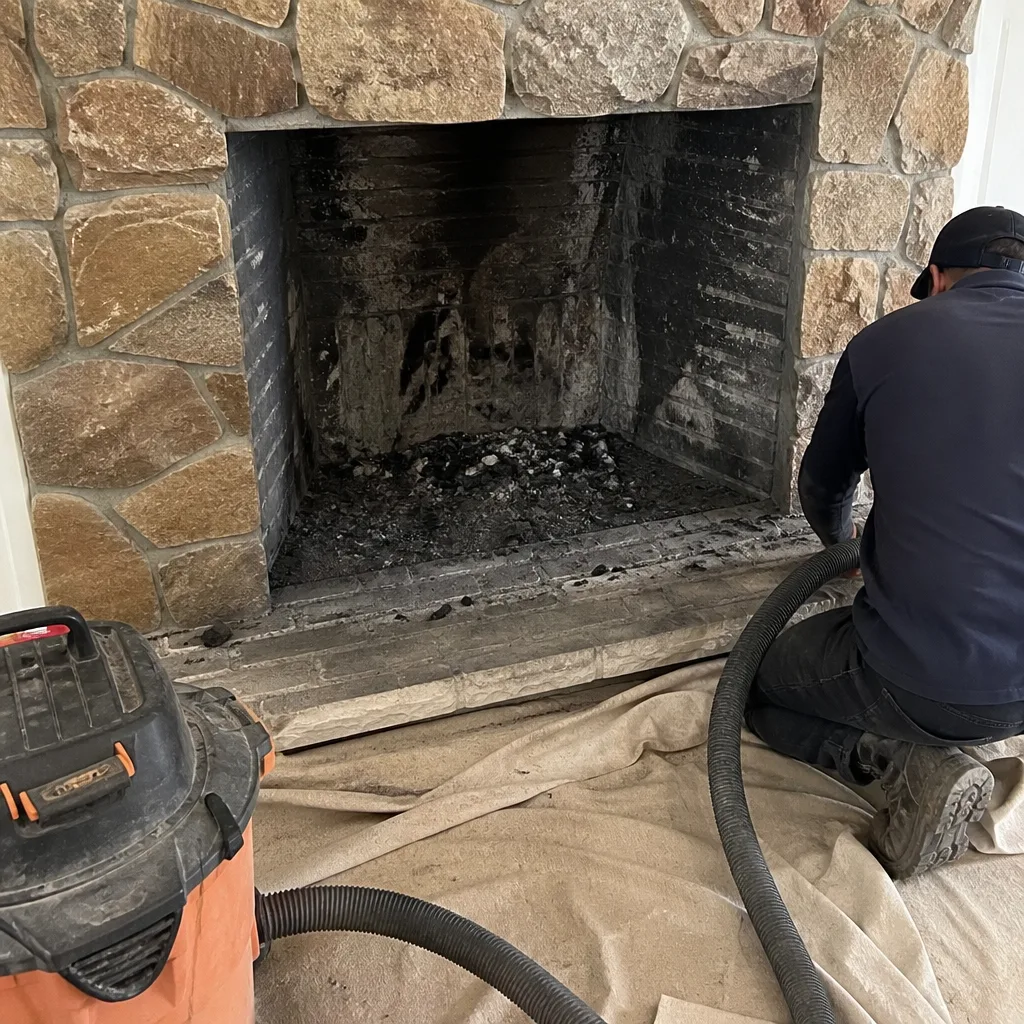 Before
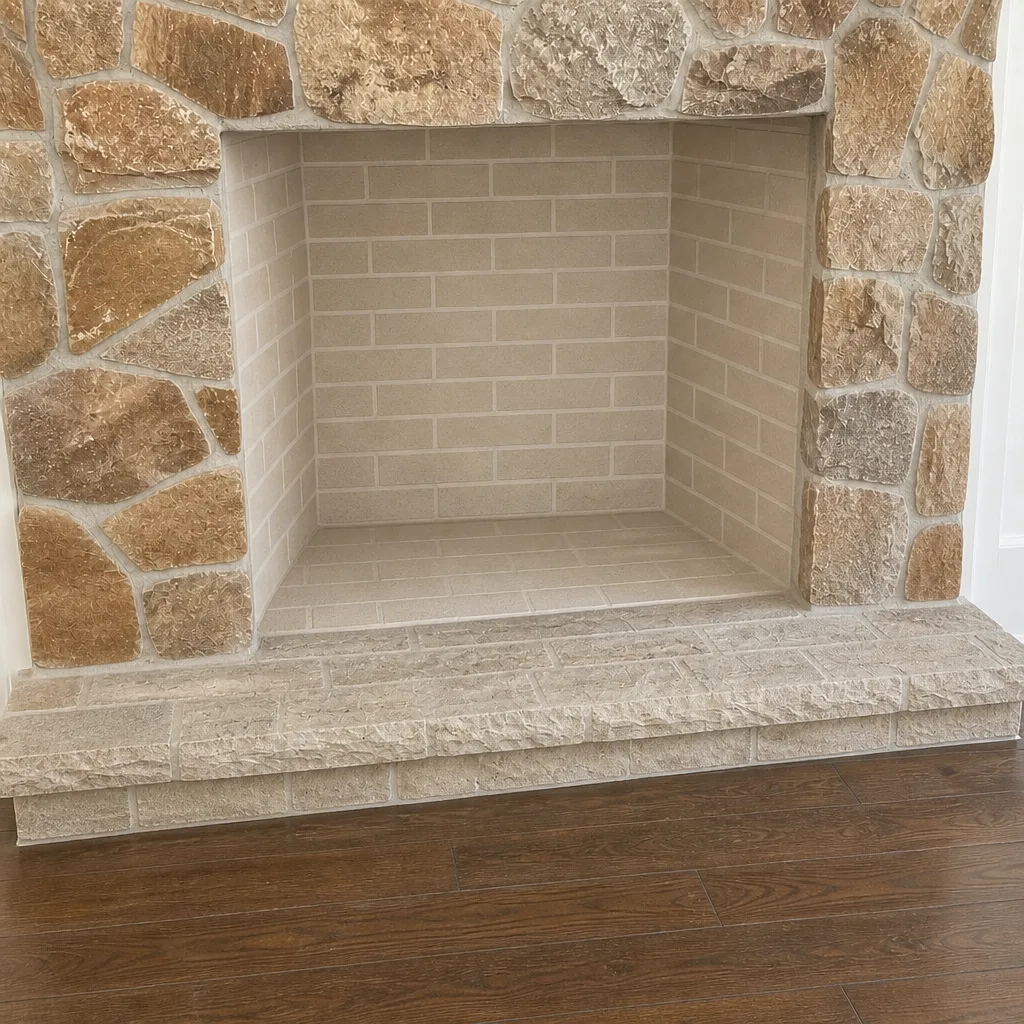 After
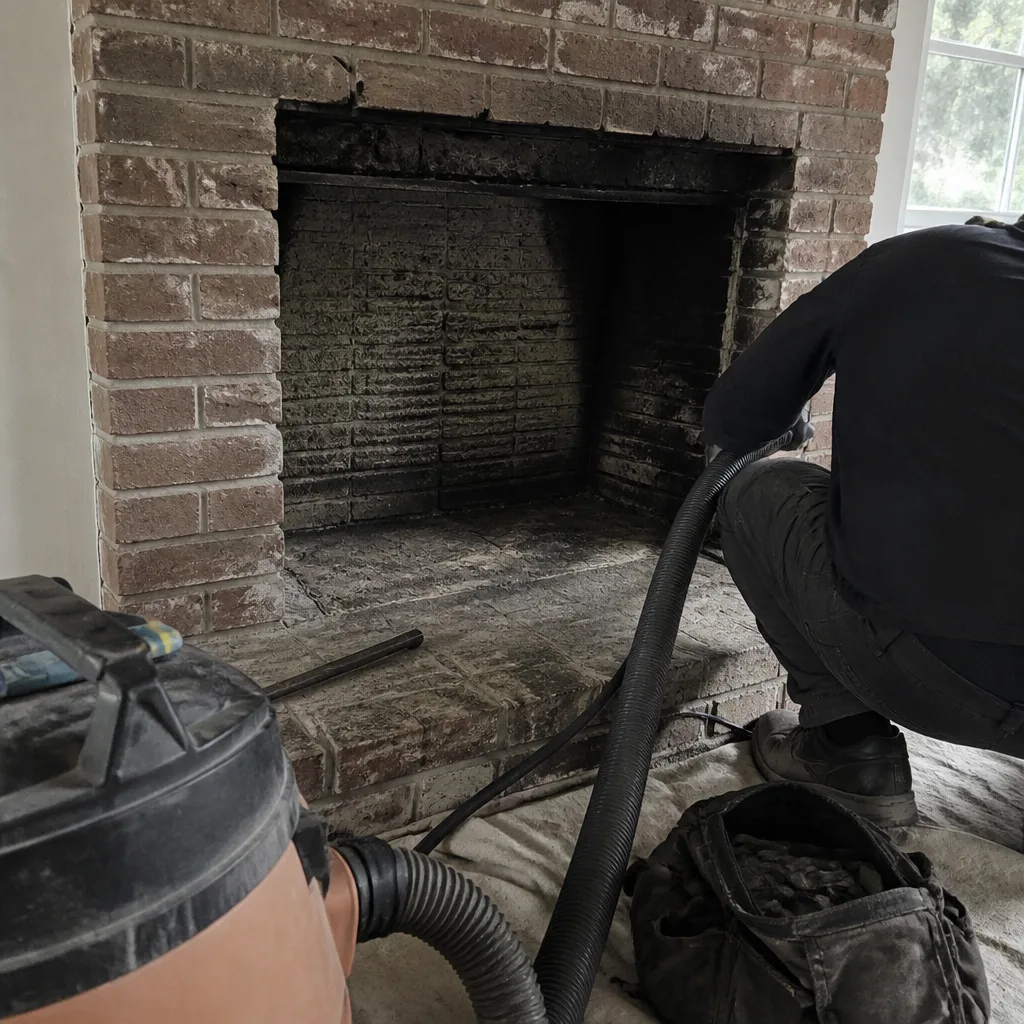 Before
 After
 Before
 After