
Gelco Chimney Sweep in Turtle Rock: A Homeowner’s Guide
Most homeowners who search “Gelco chimney sweep” aren’t looking for a company called Gelco. Gelco is a brand of professional chimney equipment, and the search usually means one of two things: you’ve heard the name from a sweep and want to know if it matters, or you’re trying to figure out whether your chimney is getting professional-grade care or a hardware-store brush on a pole. The name on the truck matters less than what’s in it.
This guide explains what Gelco equipment actually is, where it fits in real chimney work, and the exact questions to ask any sweep before you book. If you’d rather skip the research and talk to someone who uses professional tools every day, call (833) 408-3854. We answer 24/7. Fast dispatch from 7am to 7pm, Sunday through Friday.
What Is Gelco? Clearing Up the Brand Confusion
Gelco is a manufacturer of professional chimney cleaning and service equipment. It is not a chimney sweep company, a franchise, or a service you can book. The tools carry the name because trade suppliers build them for working sweeps, not for the homeowner aisle at a big-box store.
That distinction matters because the search term is so common. Homeowners in Turtle Rock hear “we use Gelco equipment” or see it printed on a van and assume it’s a business. It isn’t. It’s one of several professional brands that tell you something about how a chimney company works. The names that come up in professional chimney work include Gelco, Copperfield, DuraFlex, and HeatShield, and each covers a different part of the job.
Here’s how the pieces usually divide:
- Gelco – power sweeping and rotary cleaning equipment
- Copperfield – brushes, rods, and general sweep tooling
- DuraFlex – stainless flexible liner systems
- HeatShield – flue resurfacing and repair material
When a sweep mentions a brand by name, they’re usually talking about a specific tool or material they trust for a specific problem. Knowing which brand does what helps you ask better questions. A Turtle Rock homeowner who understands the difference won’t be talked into the wrong fix.
Why Equipment Grade Matters More Than You’d Think
The grade of a sweep’s equipment determines what they can actually clean and inspect, versus what they’ll tell you is “good enough.” A basic rod-and-brush setup can knock loose soot off the flue walls. It cannot always reach the heavy, glazed creosote that builds up in a wood-burning chimney, and it gives the technician almost no way to verify the result.
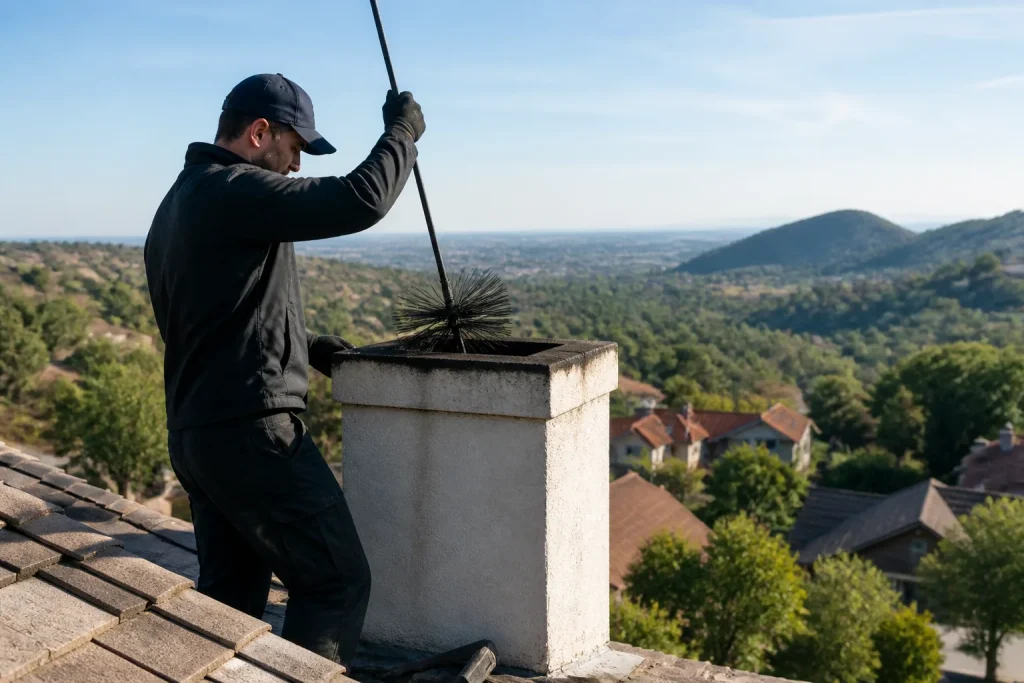
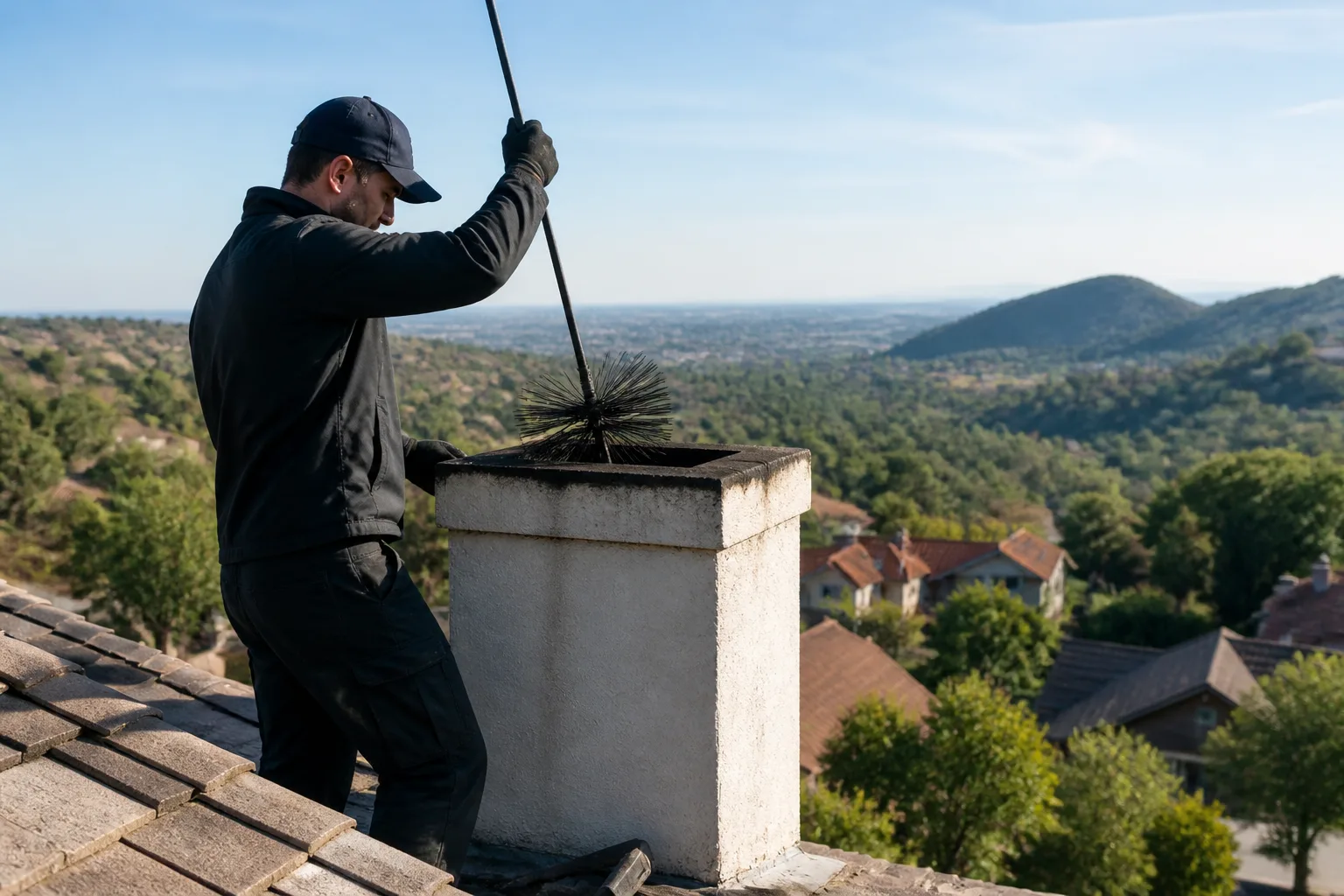
Professional rotary systems work differently. A spinning head travels the flue under controlled speed, and the technician can feel and control contact with the tile or liner. That combination of reach and control is what separates a real cleaning from a cosmetic one. In a home where the fireplace gets regular use, the difference shows up as creosote left behind or creosote actually removed.
There’s a second piece to this: inspection tools. Cleaning without inspecting is a house call with extra steps. A proper visit includes a look at the flue, the firebox, the damper, the cap, and the crown. Camera equipment lets a sweep show you what they found instead of describing it. If a Turtle Rock homeowner asks one question before booking, it should be whether the visit includes a camera inspection and a written condition report.
Consumer equipment from a hardware store has its place. That place is not a chimney flue. The tools are built for light, occasional use, and the sweep using them usually can’t reach the upper sections of the chimney safely or confirm what the inside looks like.
Rotary Cleaning vs. Rod and Brush: What Each Is Suited For
Neither method is useless. They’re built for different jobs, and a professional knows which one a particular chimney needs.
Rod and brush
Best for light soot on straight, accessible flues and routine maintenance on a chimney that’s cleaned regularly. Simple, low-torque, and safe on delicate flue surfaces when handled correctly. Limited reach on taller or offset flues, and hard on stubborn glazed creosote.
Rotary cleaning
Best for heavier creosote, longer flues, offsets, and situations where the technician needs to confirm the flue is actually clear. A rotating head with the right attachment does more work per pass and gives better feedback on what the surface is doing. It’s also the method that pairs naturally with a camera inspection.
In our experience, a Turtle Rock chimney that’s swept every year usually needs the simpler method. One that’s gone several seasons, or that has a wood stove running hard through mild winters, often calls for rotary. A company that only owns one method will recommend that method no matter what your chimney looks like. Ask what they use and why, and you’ll learn a lot from the answer.
If you want a straight read on your own chimney, start with a chimney sweep and the inspection that comes with it.
Questions to Ask Any Chimney Company Before You Book
You don’t need to become a chimney expert to tell a professional from a salesperson. You just need to ask four or five specific questions and listen to how they answer.
- What cleaning method do you use, and can you describe it? A real answer mentions the tool, the attachment, and the reason. A vague answer is a warning sign.
- Do you inspect with a camera, and do I get a report? You should receive a condition report you can look at before committing to any repair.
- Is the inspection available on its own? Some companies only offer inspection as an add-on to a sweep. A standalone inspection lets you get the facts first.
- What brands of material do you work with? Compression-wrapped liner systems, flue resurfacing material, and cap and crown components all come from specific manufacturers. A sweep who can name them is a sweep who installs to a standard.
- Can you show me what you find before we decide anything? The answer should be yes, and the evidence should be something you can see for yourself.
Ask these on the phone, before anyone is scheduled. It takes a few minutes and it protects you from the worst outcome: being told you need thousands of dollars of liner work you have no way to verify. A skilled technician would rather show you a photo than win an argument about your flue.
For a deeper look at the structural side, the chimney cap & crown page covers the two components that cause most water damage. And if the fireplace itself is the problem, a fireplace repair visit handles the firebox, damper, and masonry work.
How to Tell Professional-Grade Tools from Consumer Gear
You won’t be in the room while the sweep works, so the cues have to come from what you can see and hear before, during, and after the visit.
- They name brands. A sweep who uses professional equipment can tell you which brand made the rotary head, the liner, or the resurfacing kit. That’s not a sales pitch; it’s how the trade talks.
- They explain the method before the work. A short sentence about why this chimney needs rotary cleaning rather than a brush pass tells you the technician is thinking about your chimney, not the clock.
- They offer an inspection first. A standalone inspection is a sign of confidence. It means the company can be paid to tell you the truth, even when the truth is “you don’t need much right now.”
- They show you the evidence. Camera footage and photos should be part of the conversation, not something you get after the invoice.
- They’re specialists. A chimney company that also cuts trees, cleans gutters, and does odd jobs is spreading attention across a lot of skills. Chimney work is all we do.
In our experience, homeowners who ask about equipment end up with better outcomes on both sides of the transaction. You understand what you’re paying for, and the technician gets to do the right job rather than the fast one. That’s a fair trade.
What Chimney Sweep Turtle Rock Stocks and Uses
We handle the full chimney system, from the firebox to the crown, and our technicians have up to 14 years of experience working on it. Equipment and materials are where that shows up.
Our tooling and materials come from professional product lines, including Gelco, Copperfield, DuraFlex, and HeatShield. Gelco is the name on the power sweeping side, while Copperfield covers much of the brush and rod work. DuraFlex supplies the flexible stainless liner systems we install when flue repair calls for a new liner. HeatShield is the flue resurfacing system we use on deteriorating tiles, a repair approach that sweep-only operations typically can’t offer.
Here’s what that means for a Turtle Rock homeowner booking with us:
- A sweep using the right method for your chimney, not the only method we own
- An inspection with camera evidence and a written condition report you can read before deciding
- A cap and crown installed with components rated for the job, not a universal fit
- Repairs using DuraFlex and HeatShield materials standard within the trade
- A fireplace repair covering the firebox, damper, and interior masonry
We don’t hand the work off to subcontractors. When you call, you’re talking to a chimney company that handles the entire system. If the answer to your question is that your chimney can safely wait until next season, we’ll say so. That’s what professional equipment and a proper inspection let you do: make a decision based on evidence rather than a pitch.
The Bottom Line
Gelco is equipment, not a service brand, and it’s one marker among several that tells you whether a chimney company works to a professional standard. The bigger questions are what method your sweep uses, whether they inspect with a camera, whether you see the evidence, and whether the answer you receive is based on your chimney rather than their schedule.
If you’re in Turtle Rock and need help, Chimney Sweep Turtle Rock offers free estimates. Call (833) 408-3854. We answer 24/7. Fast dispatch from 7am to 7pm, Sunday through Friday. An expert chimney sweep in Turtle Rock starts with a real inspection, and you’ll know exactly what you’re paying for before any work begins.
Frequently Asked Questions
No. Gelco is a manufacturer of professional chimney cleaning equipment. If you see the name on a van or hear it from a sweep, it refers to the tools they use, not a service you can book.
Once a year for a chimney in regular use is the standard, and it’s what most manufacturers of wood-burning appliances recommend for the flue. A gas fireplace generally needs less frequent sweeping but still needs an annual inspection. Mild local winters mean the fireplace can see heavy use, so don’t skip a year because the season felt short. Call (833) 408-3854 for an exact quote; estimates are free.
Ask which brands make their sweeping and inspection equipment, and ask them to describe their cleaning method. A professional will answer both with specifics. A sweep who can’t name their tools or explain why a particular method suits your chimney is likely using consumer equipment.
Creosote builds up with every fire, and the heavier it gets, the harder it is to remove safely and the higher the risk of a chimney fire. Skipping a year doesn’t cause immediate damage, but skipping several often turns a routine sweep into a repair job. Call (833) 408-3854 for an exact quote; estimates are free.
Written by the team at Chimney Sweep Turtle Rock.
Need Chimney Cleaning Help?
Call Chimney Sweep Turtle Rock - the local pro we connect you with is licensed and insured, with free written estimates in Turtle Rock.
(833) 408-3854